Manali looks easy on a map. It gets confusing once you start planning. Should you try for a Rohtang Pass permit or head straight through the Atal Tunnel? Is a weekend enough? How many days do you actually need before the trip stops feeling rushed?
This guide answers those questions with four day-wise itineraries, for 2, 3, 5 and 7 days. Each one is built so you can follow it as it is, shorten it or stretch it. The permit rules, timings and costs reflect the 2026 season, but road conditions and prices change, so treat them as a planning base and confirm the latest details before you travel.
Rohtang Pass or Atal Tunnel: Decide This First
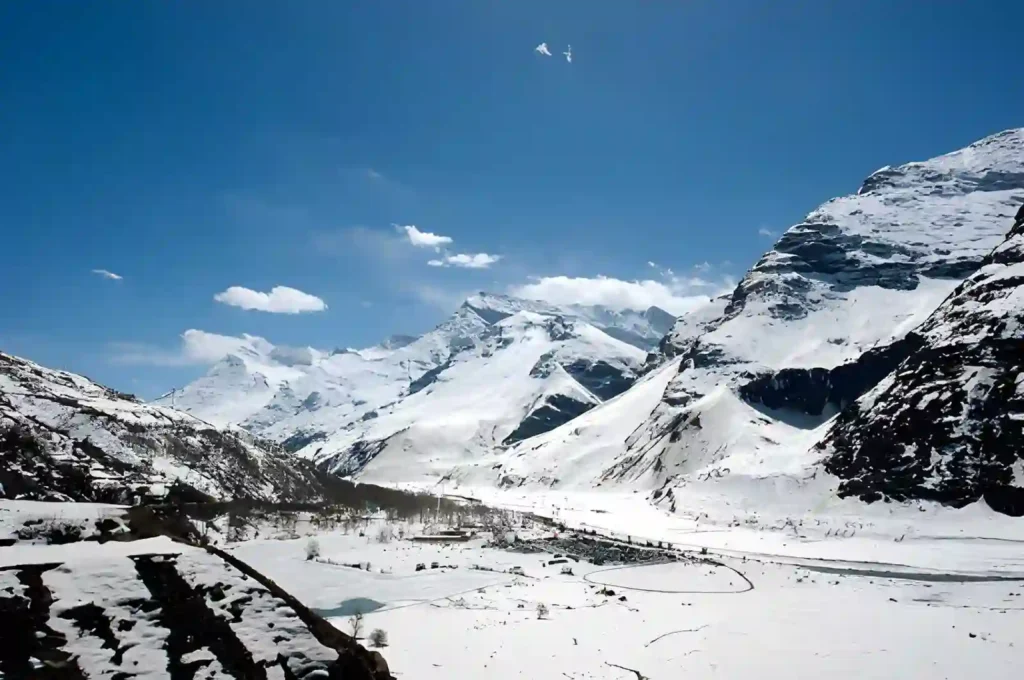
This one choice shapes every Manali itinerary, so settle it before you book anything.
Rohtang Pass sits at about 3,978 m. Any vehicle that goes past the Gulaba checkpost needs a permit. For a car or jeep, the fee is ₹550 (₹500 permit fee plus ₹50 congestion charge). The daily quota is 1,200 vehicles, split into 800 petrol and 400 diesel.
A few rules catch people out:
- Permits are booked only online at rohtangpermits.hp.gov.in. The old rohtangpermits.nic.in address has been retired, and look-alike sites may charge extra fees.
- Slots are released twice a day, at 10 AM and 4 PM, usually for the next day’s travel. Weekend and holiday slots go within minutes, so booking “a few days ahead” does not work the way it does for trains.
- The vehicle should not be older than 10 years. Keep your ID, PUC certificate and a printed copy of the permit ready for the Gulaba checkpost.
- Private cars fall under a separate permit category with a much smaller daily quota. Hiring a local taxi is usually the easier route. A same-day taxi to Rohtang typically costs somewhere between ₹4,500 and ₹7,500 per vehicle.
- In recent seasons the pass has stayed closed on Tuesdays for maintenance. Check this before you build a day around it.
The road is also seasonal. In 2026 Rohtang reopened for tourists on 17 May. The usual window runs from mid-May to late October. November is risky, because early snow can shut the road with little warning.
Atal Tunnel is the simpler option. It is a 9.02 km highway tunnel at around 3,000 m that links the Solang side of Manali with Sissu in Lahaul. You do not need a Rohtang permit to use it. The south portal is about 25 km from Manali and takes roughly 40 to 45 minutes to reach, and Sissu lies a little beyond the north portal. Because the tunnel works through the year, a Manali itinerary built around it stays possible even when Rohtang is closed.
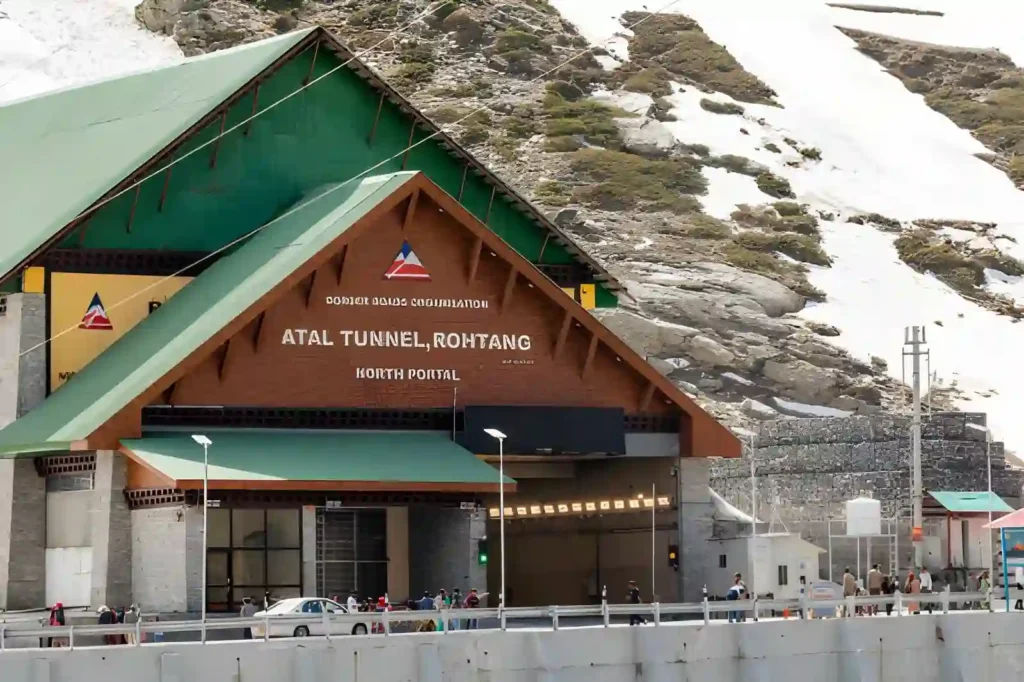
(You will often see it searched as “Atul Tunnel”. The correct name is Atal Tunnel, after former Prime Minister Atal Bihari Vajpayee.)
A simple rule to follow:
- Travelling between mid-May and October? Try for a Rohtang permit and keep the Atal Tunnel as your backup day.
- Travelling in November or winter? Plan without Rohtang. Solang, the Atal Tunnel and Sissu usually give you snow anyway, weather permitting.
- Short on time? Pick one, not both.
Best Time to Visit Manali
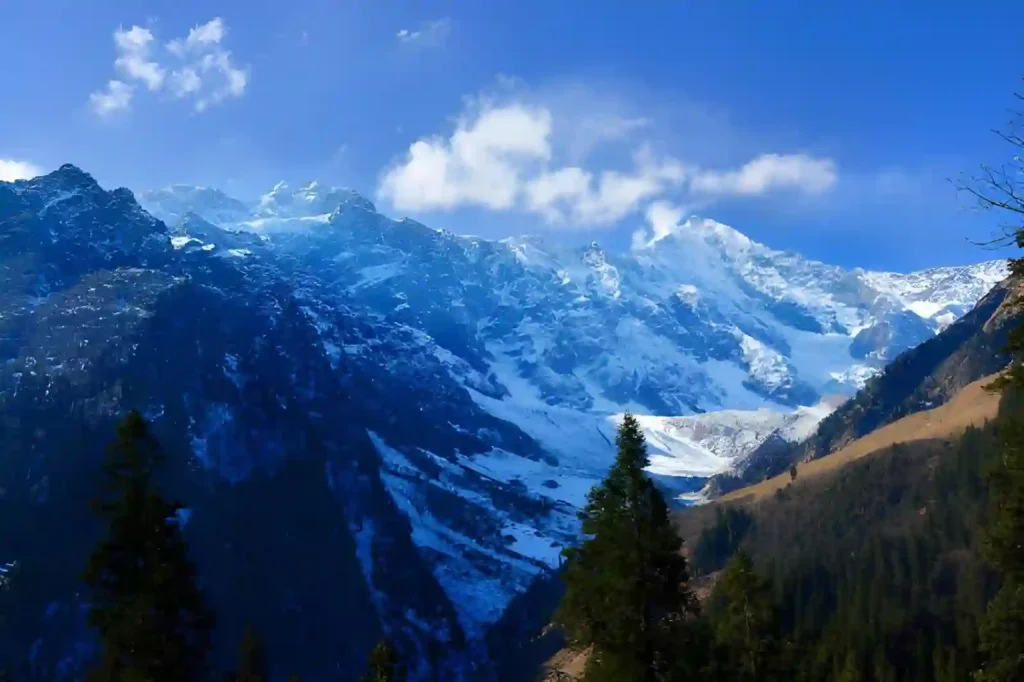
There is no single best month. It depends on what you want from the trip.
- March to June: Pleasant weather, open roads and full access. Daytime temperatures are mild, but Mall Road gets very crowded in May and June.
- July to September: Monsoon. The hills turn green, but landslides on the highway are common, and August tends to be the wettest month. Keep your plans flexible.
- October to November: Often the clearest and driest stretch, with fewer crowds and sharp mountain views. It is a good time for photography.
- December to February: The snow season, especially January and February. Nights are very cold, and roads to Solang and the Atal Tunnel can close after heavy snowfall.
Whatever the month, carry layers. Even in May, evenings can turn chilly.
How to Reach Manali
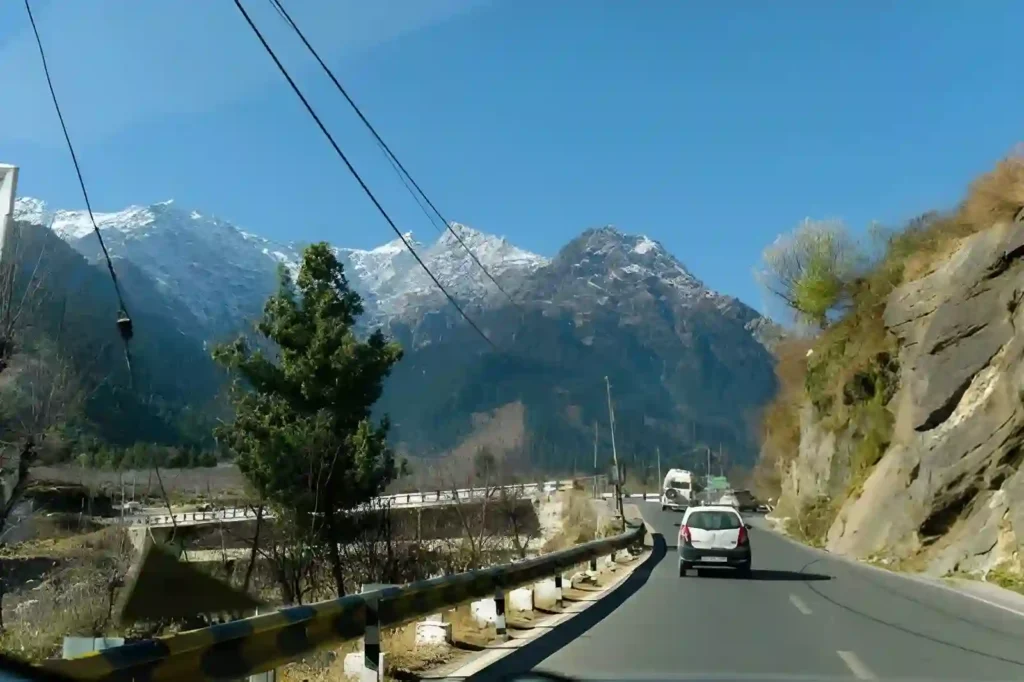
Manali has no airport or railway station of its own, so the last stretch always happens by road.
By road from Delhi: The distance is roughly 540 km via Chandigarh, Mandi and Kullu, and the drive usually takes 12 to 14 hours. An overnight Volvo is the most practical option. Fares typically run from about ₹900 to ₹2,500 one way, depending on the operator, bus type and season. Prices climb on weekends, holidays and during snowfall.
From Chandigarh: It is about 300 km, usually a 7 to 8 hour drive.
By air: The nearest airport is Kullu-Manali Airport at Bhuntar (KUU), around 50 km from town. Add 1.5 to 2 hours by taxi, and expect to pay roughly ₹1,200 to ₹2,000 for the transfer. Flights are weather-dependent, so keep a buffer day, especially in winter.
By train: There is no direct train. Joginder Nagar is the nearest railhead, but service there is limited. Most travellers take a train to Chandigarh or Ambala and continue by bus or cab.
If you are short on time, an overnight Volvo from Delhi saves a full day compared to flying in and dealing with delays at Bhuntar.
2-Day Manali Itinerary (Weekend Plan)
Two days is tight, but it works if you accept that you are sampling Manali rather than exploring it. An overnight bus from Delhi usually lands you in town between 9 and 10 AM, so you can start with a late breakfast and go straight into sightseeing.
Day 1: Old Manali and the Town Circuit
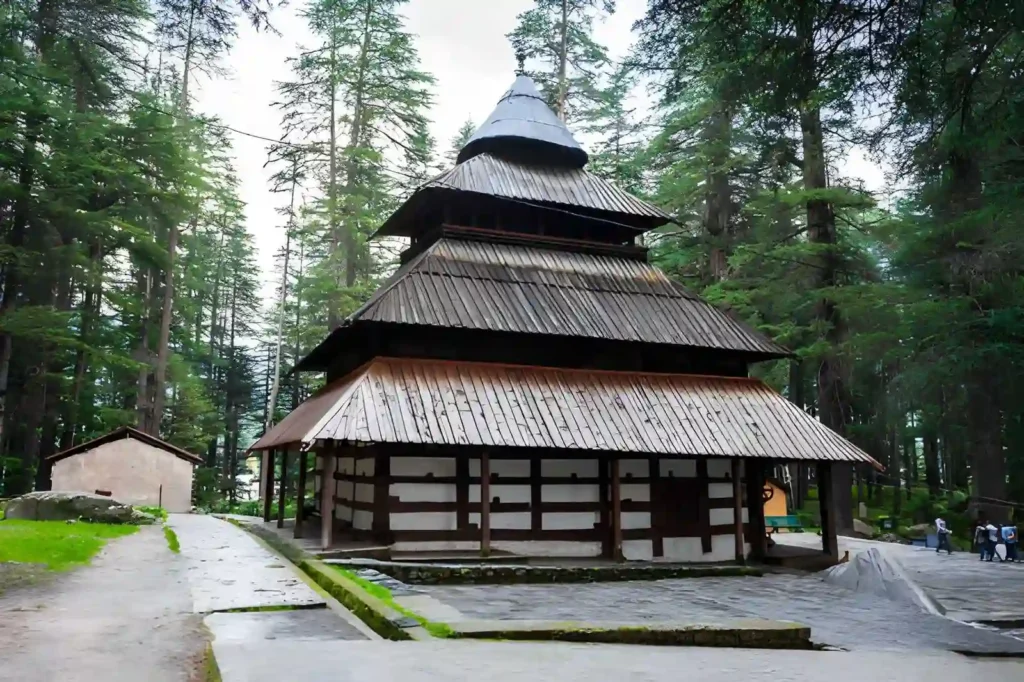
- Hadimba Devi Temple (8 AM to 6 PM, free entry, about 2 km uphill from Mall Road). This 16th-century wooden temple sits inside a deodar forest. It is quieter and better for photographs early in the day. The area near the entrance gets touristy, but the forest walk is worth it.
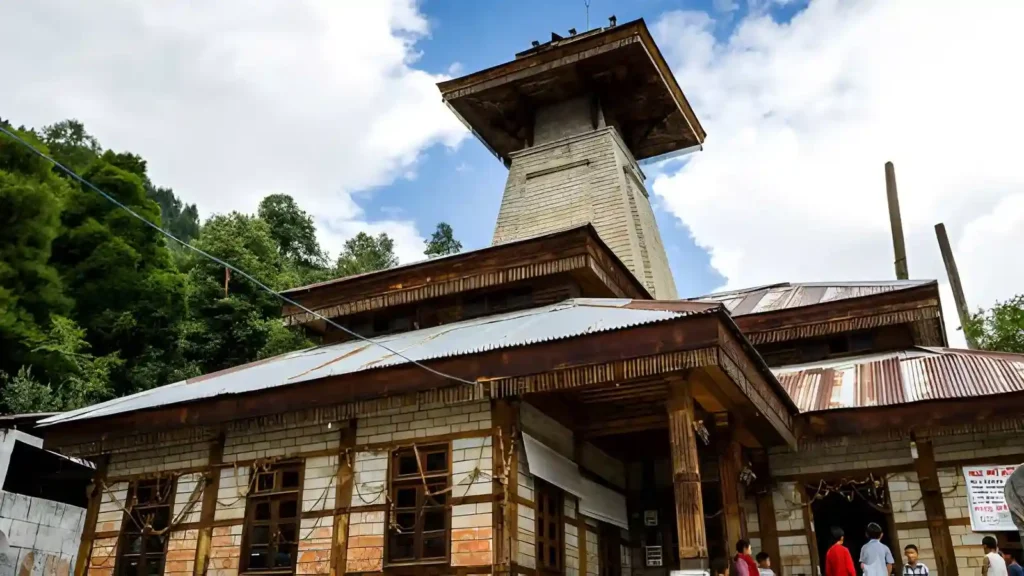
- Manu Temple and Old Manali. Walk the lanes, cross the bridge over the Manalsu stream, and stop for a late lunch at a riverside cafe. Old Manali has a different pace from the main town, with cafes, live music and a backpacker crowd.
- Vashisht Hot Springs (about 3 km from town, free) in the late afternoon. It is a good place to rest tired legs.
- Mall Road in the evening for woollens, momos and people-watching.
Day 2: Solang Valley and the Atal Tunnel
Leave by 8 AM. Solang Valley is about 13 to 14 km from Manali, and there is no entry fee. Activities are priced separately.
- Ropeway: roughly ₹500 to ₹750 depending on the operator.
- Paragliding: about ₹1,200 to ₹1,500 for a short flight and ₹2,500 to ₹4,000 for a standard tandem flight. Longer high flights from other launch sites can cost more.
- Other activities: zorbing, ATV rides and, in winter, skiing and snowboarding.
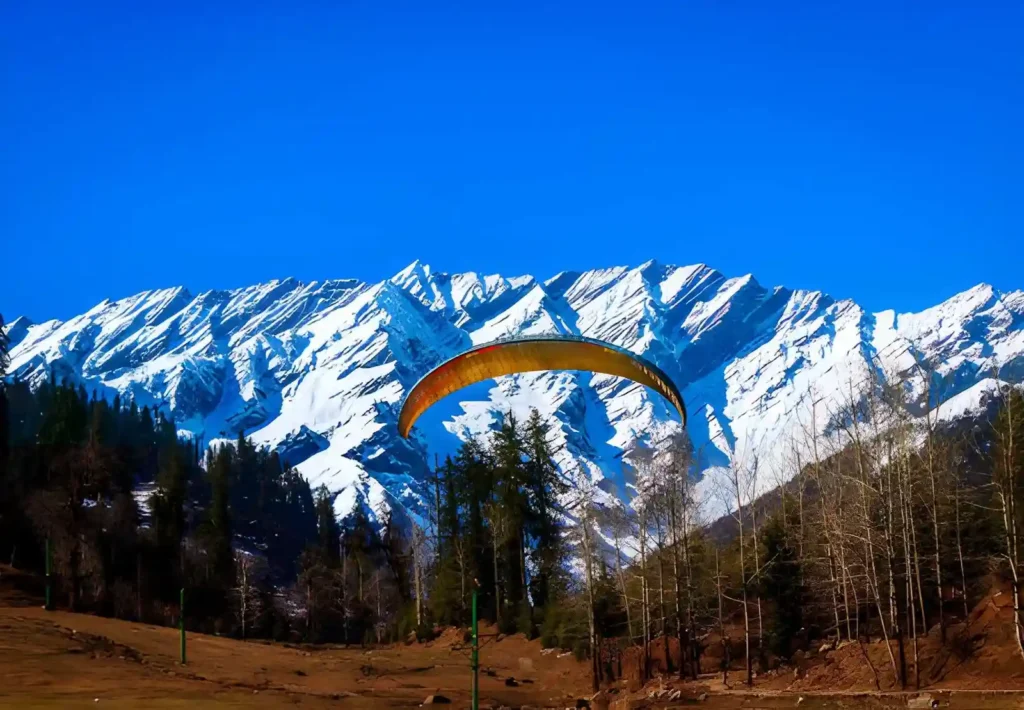
From Solang, drive on through the Atal Tunnel to Sissu for waterfall views, then return to Manali before dark.
This is also your Manali plan without Rohtang Pass, and for a weekend trip it is the smarter choice. Rohtang needs a permit and a long day, which two days cannot spare.
3-Day Manali Itinerary: The Sweet Spot for First-Timers
Three days is where Manali starts to feel relaxed. Keep the two days above, then add a third that depends on the season.
Day 3 (mid-May to October): Rohtang Pass
- Book your permit the day before, at the 10 AM or 4 PM release. Taxi operators and travel agents will handle this for you if you book through them.
- Start by 6 or 7 AM. Early starts mean thinner traffic and clearer skies.
- Expect snow patches near the top even in summer, though they are not guaranteed. It is far colder at nearly 4,000 m, so carry a proper jacket.
- Weather at Gulaba and Rohtang has little to do with the weather in Manali town. Groups do get turned back on sunny mornings.
- Return by late afternoon and keep the evening free.
Day 3 (November to April, or if Rohtang is closed): Naggar and Jagatsukh
- Naggar Castle, about 20 km from Manali, is a wood-and-stone structure with good valley views and a long history.
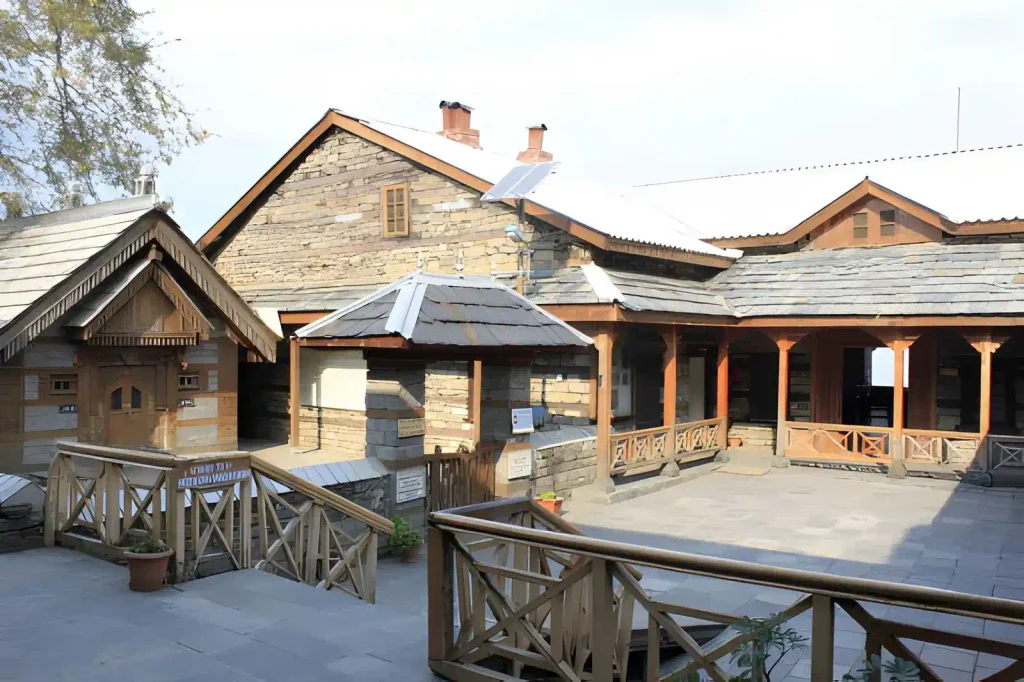
- Nicholas Roerich Art Gallery, close by, is worth a short visit if you like quiet museums.
- On the way back, stop for a walk or a cafe break near Jagatsukh, then spend the evening beside the Beas River.
This gives you a clean 3-day plan with Rohtang in season and a calmer alternative the rest of the year.
5-Day Manali Itinerary: Balanced and Unhurried
Five days is the most comfortable length for a first visit. You see the headline places and still have time to sit somewhere with a cup of chai.
Day 1: Arrive and settle in. Rest after the journey, then take an easy evening walk through Mall Road and Old Manali.
Day 2: Temples and hot springs. Visit Hadimba Temple early, then Manu Temple, and end the day at the Vashisht hot springs.
Day 3: Solang Valley. Spend the morning on a ropeway ride or a paragliding slot. Keep the afternoon light. Solang tends to be calmest and clearest early in the day.
Day 4: Rohtang Pass or the Atal Tunnel. In season, take the Rohtang day with a booked permit. Otherwise cross the Atal Tunnel, spend time in Sissu, and drive a little further into Lahaul. The Lahaul side is greener and more colourful than most people expect. Plan to be back before dark, and check the local advisory that morning, because authorities have in the past asked tourists to leave Lahaul by the afternoon.
Day 5: Naggar and departure. Visit Naggar Castle and the Roerich gallery, then leave at an easy pace.
If you travel between July and September, add a buffer. Landslide risk on the Mandi to Manali stretch is real in the monsoon, so avoid tight return flights or same-day fixed commitments.
7-Day Manali Itinerary: The Full Kullu Valley Experience
Seven days is for people who want the mountains rather than a checklist. You get the sightseeing, an adventure day and a couple of slow days that tend to become the most memorable ones.
Day 1: Arrive and acclimatise. Take a light walk in Old Manali and sleep early.
Day 2: Temples and hot springs. Hadimba Temple, Manu Temple and Vashisht.
Day 3: Solang Valley. Ropeway, paragliding or just the views. Keep the afternoon free.
Day 4: Rohtang Pass in season, with a permit booked in advance. Out of season, make it a rest day, or visit Naggar early.
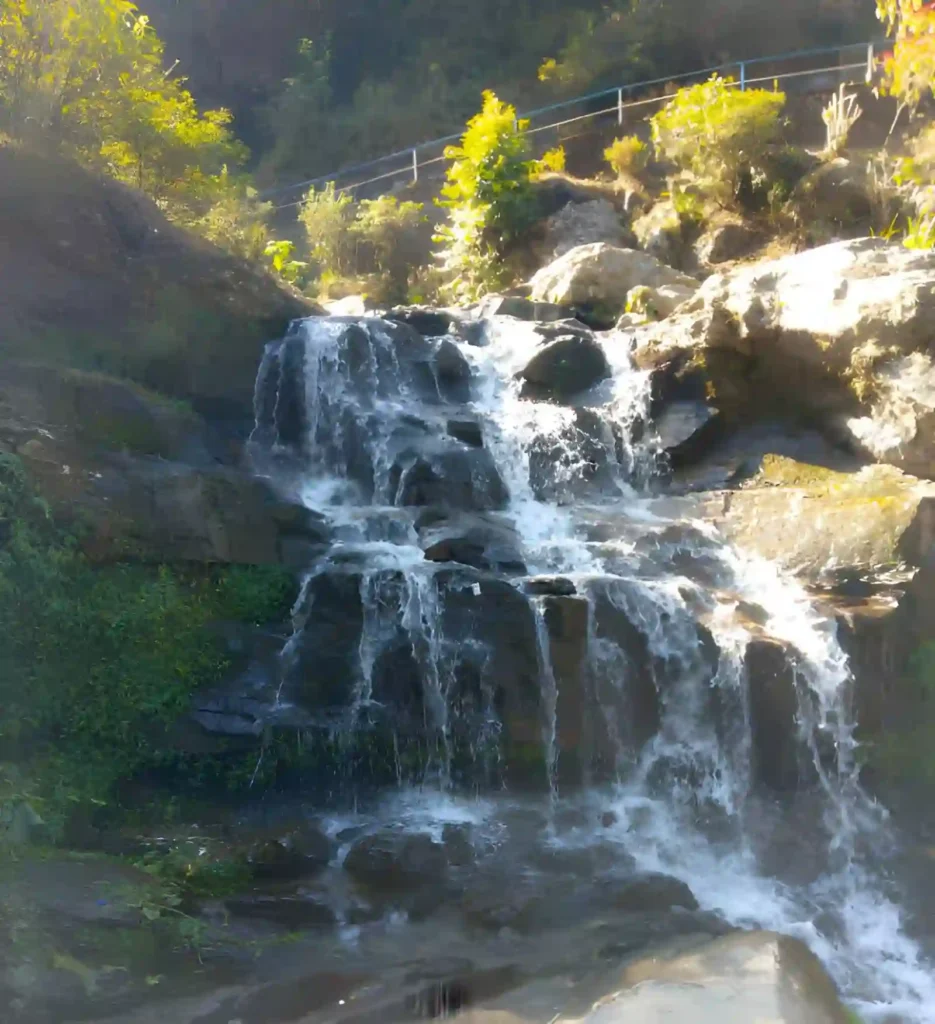
Day 5: Atal Tunnel, Sissu and Lahaul. Cross the tunnel early, spend time at the Sissu waterfall, and go further toward Keylong if you have a private car and the energy.
Day 6: Naggar, Jagatsukh and orchard cafes, plus Nehru Kund and a riverside stroll. If the river conditions are right, this is also a good day for rafting on the Beas. Prices vary widely by stretch and season, so compare operators before you pay.
Day 7: A slow morning. Have a leisurely breakfast, pick up souvenirs and head out.
Optional extra: Manikaran Sahib, roughly 80 km from Manali, is known for its hot springs and gurudwara. It is better as a separate day trip than squeezed into a busy day, so use Day 4 for it if Rohtang is closed.
If you want one place to do nothing for a day, make it a riverside cafe in Old Manali.
Where to Stay in Manali
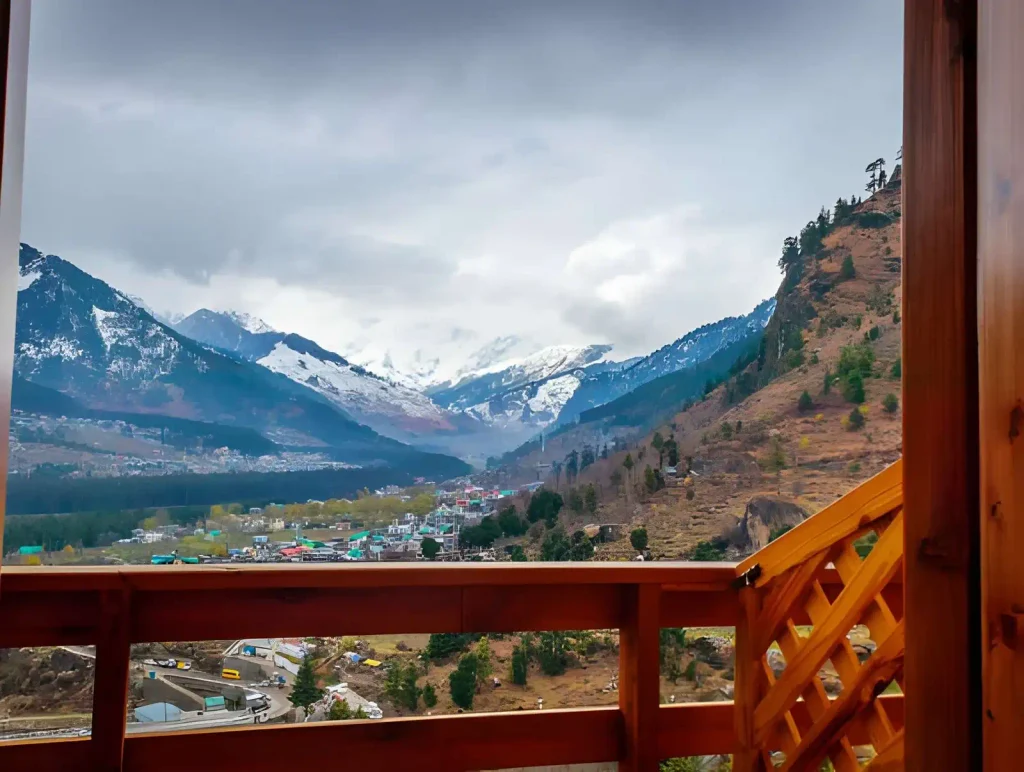
Where you stay changes the feel of the trip. These are indicative nightly rates and they rise sharply in peak season.
- Budget: Homestays, hostels and guesthouses at roughly ₹800 to ₹3,000. Old Manali and Vashisht have the most atmosphere.
- Mid-range: Hotels and cottages around Mall Road, Prini or Naggar at roughly ₹2,500 to ₹7,000.
- Luxury: Resorts and riverside stays usually start around ₹6,000 to ₹8,000 and can cross ₹10,000 in peak season.
Old Manali suits cafe culture and nightlife. The Prini and Naggar side is quieter and offers better views. Book early for late December and the summer holidays, when availability drops quickly.
What to Eat in Manali
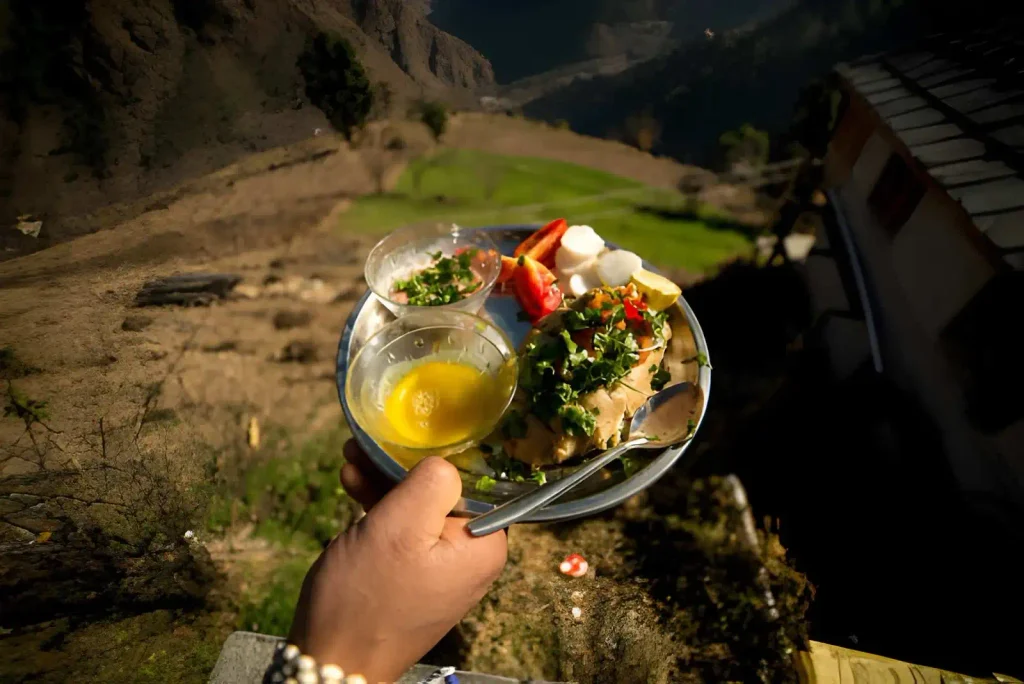
Do not stick to the regular restaurant menu. Local food is one of the better parts of the trip.
- Siddu: Steamed Himachali bread, stuffed with walnuts, poppy seeds or paneer and served with ghee. If you try only one local dish, make it this.
- Trout: Fresh river trout, grilled or baked, at several riverside restaurants in Old Manali.
- Thukpa and momos: Tibetan comfort food that Old Manali’s cafes do well.
- Chana madra: A yoghurt-based Himachali curry made with chickpeas.
- Dham: A traditional vegetarian feast, if you can find one.
- Babru: A fried black gram snack.
A simple meal costs about ₹150 to ₹300 per person. Cafe meals cost more.
Manali Trip Budget
Costs shift with the season, your transport and how many activities you add. As a rough guide, excluding travel to and from Manali:
| Travel style | Approx. cost per person per day |
| Budget (homestay, local food, shared transport) | ₹2,000 to ₹3,000 |
| Mid-range (hotel, cafes, private taxi for some days) | ₹3,500 to ₹5,000 |
Add-ons to plan for:
- Rohtang permit: ₹550 per vehicle (taxi hire for the day is extra)
- Paragliding: ₹1,200 to ₹4,000
- Ropeway: roughly ₹500 to ₹750
- Rafting and skiing: extra, and prices vary
For a comfortable 3-day trip, most travellers spend roughly ₹8,000 to ₹15,000 per person on stay, local travel and food. Check current rates before booking, especially in peak months.
Practical Tips Before You Go
- Check Rohtang and Atal Tunnel road status the evening before. Snow and landslides can change plans overnight.
- Book Rohtang permits only on the official portal, and keep your ID, vehicle papers and a printout ready.
- Carry some cash. ATMs at Solang and Naggar are not always reliable.
- Layer up, even in summer.
- Paragliding depends on weather. Operators generally do not fly in heavy rain, so avoid planning it as a fixed commitment during the monsoon.
- Fill your fuel tank in Manali if you are driving toward Lahaul. Petrol stations on that side are far apart.
- Start early for every outing. Mornings are clearer and traffic is lighter.
- If you get motion sickness, keep tablets handy. The roads have many curves.
- Rules on photography inside temples can change, so follow the signs at the entrance.
Final Thoughts: Which Manali Itinerary Should You Pick?
Go for 2 days if you only need a quick mountain break. Choose 3 days if you want the main sights without rushing, 5 days if it is your first proper visit, and 7 days if you want to slow down and see the wider Kullu Valley. Whichever length you pick, decide between Rohtang and the Atal Tunnel first, because that choice sets the pace of everything else.
If you would like help shaping a plan around your dates and budget, send us your travel details at The Route Atlas. Tell us in the comments which version you are trying.
Frequently Asked Questions
1. How many days are enough for Manali?
Three to five days cover the main sights comfortably. Two days work for a quick break, and seven days suit travellers who want a slower trip with day trips included.
2. Is a Rohtang Pass permit mandatory?
Yes, if your vehicle goes beyond the Gulaba checkpost. It costs ₹550 for a car or jeep and is booked online at rohtangpermits.hp.gov.in. You do not need it for the Atal Tunnel.
3. Can I visit Manali without Rohtang Pass?
Yes. Solang Valley, the Atal Tunnel, Sissu, Naggar and Old Manali make a full trip by themselves.
4. What is the best time to visit Manali?
March to June for pleasant weather and December to February for snow. October and November are quieter and clearer, though Rohtang may already be risky by November.
5. How do I reach Manali from Delhi?
An overnight Volvo or a drive covers about 540 km in roughly 12 to 14 hours. The nearest airport is Bhuntar, about 50 km from town.
6. Is the Atal Tunnel open in winter?
It works through the year, but roads leading to it can close after heavy snowfall. Check conditions each morning before you leave.