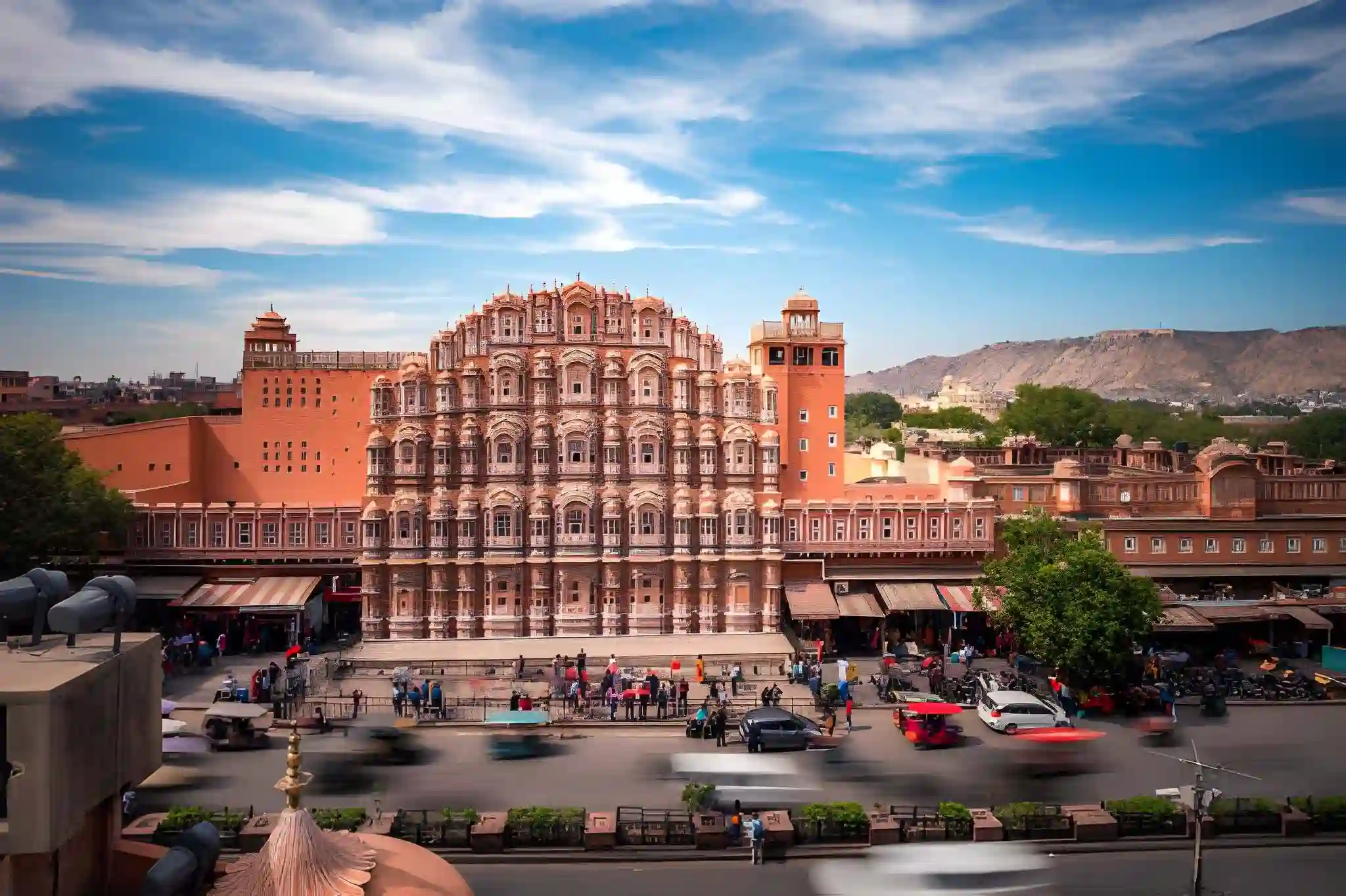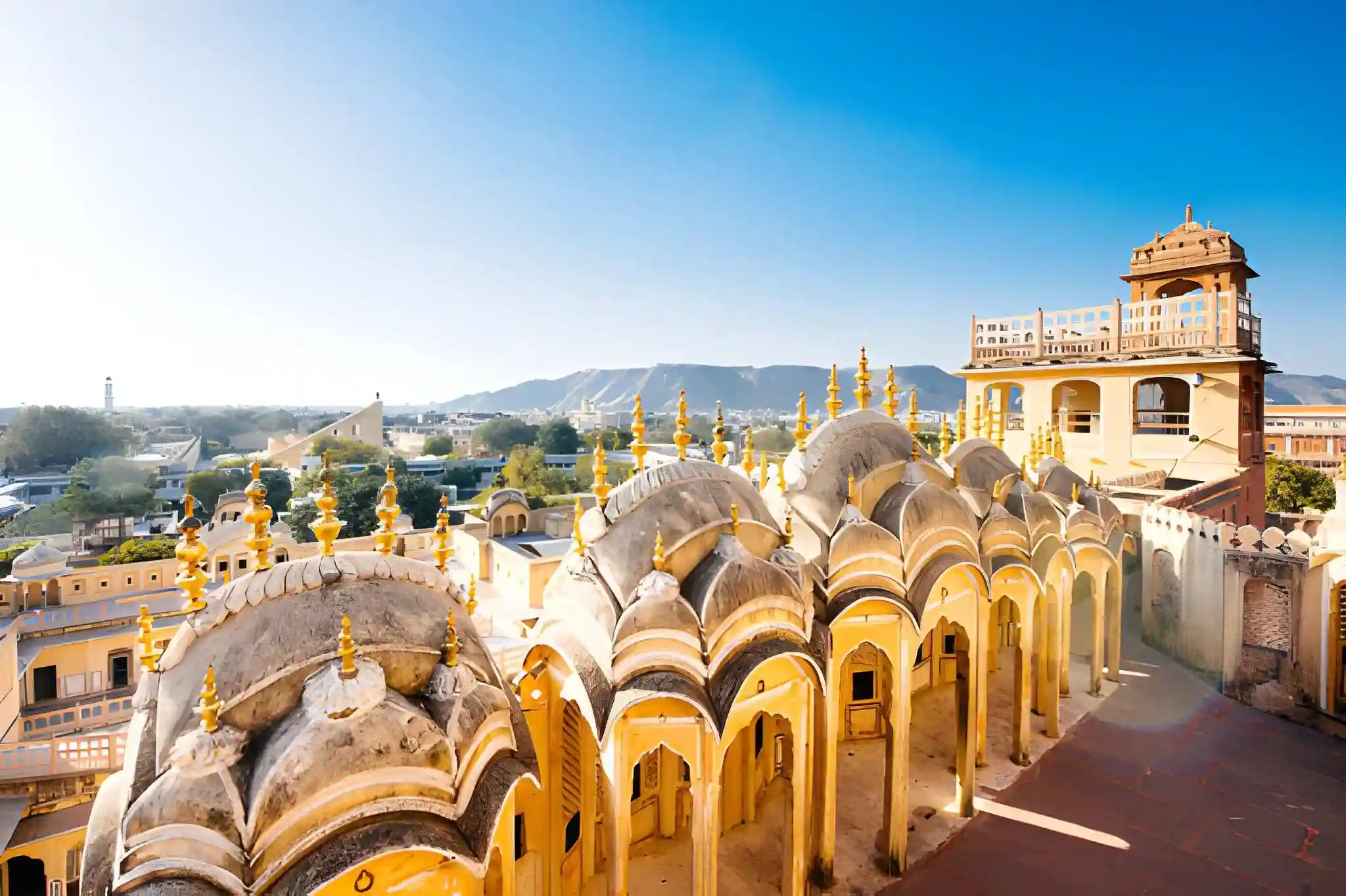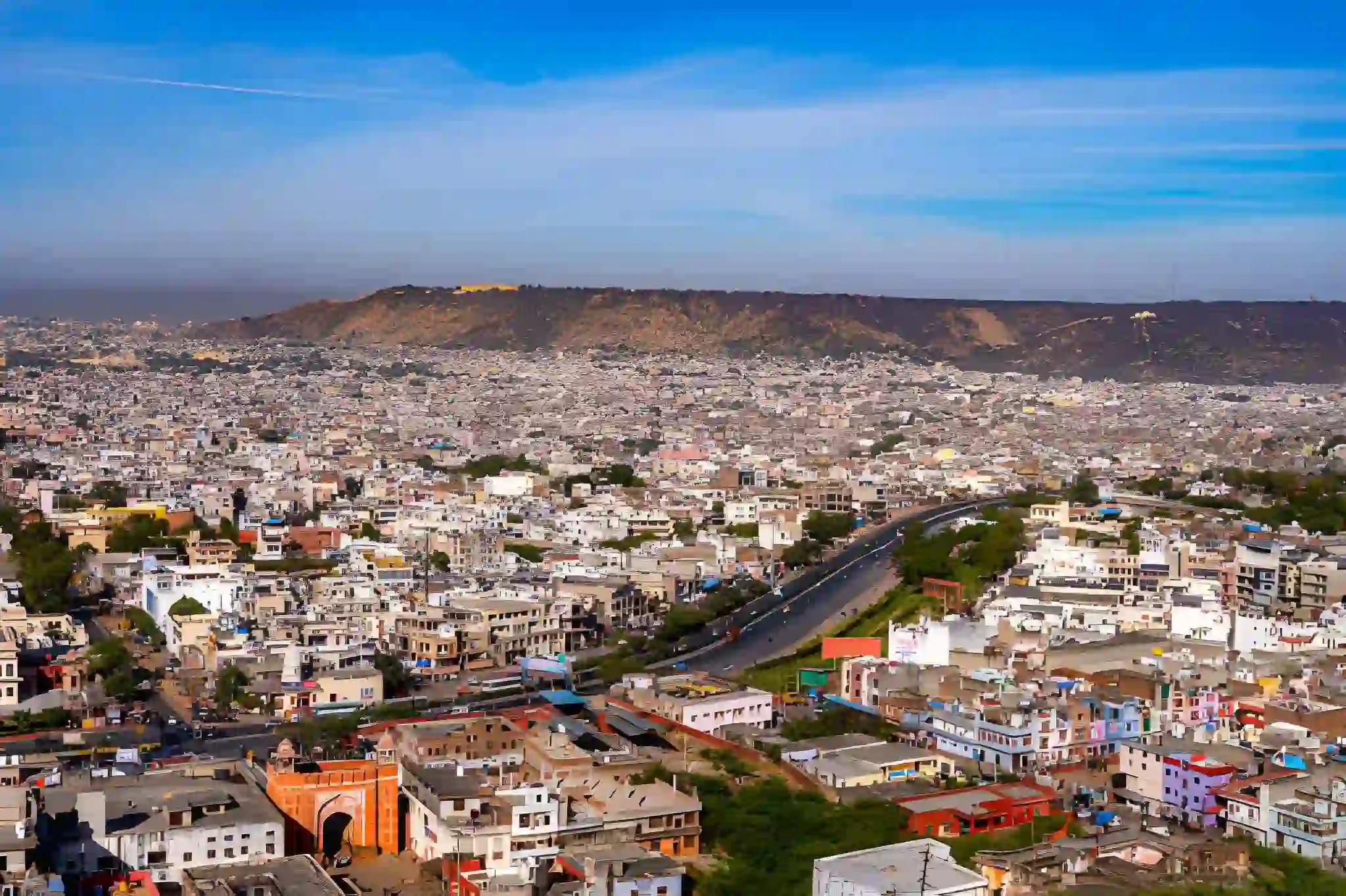
You walk into Jaipur’s old city and something hits you before you even see a single fort. Everything – the walls, the shops, the bustling bazaars – is drenched in a warm terracotta-pink glow. It’s not a filter. It’s not an Instagram trick. It’s real, and it’s been this way for nearly 150 years.
But how did an entire city end up painted one colour? And who was the man brilliant enough to build one of India’s first planned cities from scratch back in 1727? Pull up a chair, because the history of Jaipur is one of the most fascinating stories in Indian heritage travel.
This guide from The Route Atlas covers everything – the founding, the architecture, the UNESCO story, and everything you need for a smart, well-planned visit.
Who Founded Jaipur? Meet Sawai Jai Singh II
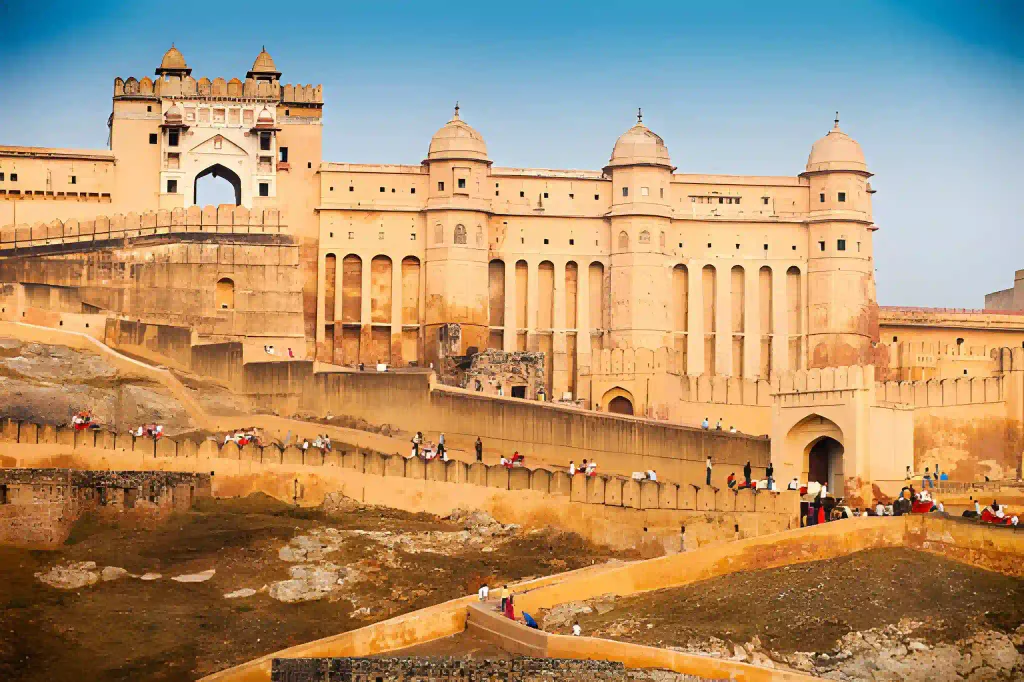
Jaipur was founded on 18 November 1727 by Maharaja Sawai Jai Singh II, the Kachhwaha Rajput ruler of Amer. The city literally takes its name from him – “Jaipur” translates from Sanskrit as “The City of Jai.”
But Sawai Jai Singh II wasn’t your average ruler who just wanted a bigger palace. He was a ruler with a keen interest in astronomy, architecture, and urban planning – a scientist, a mathematician, and an astronomer who built five Jantar Mantar observatories across India.
The reason he needed a new city? He decided to move his capital from Amber to Jaipur because the population was growing and there wasn’t enough water in Amber. So he didn’t just shift a capital – he engineered an entirely new one, almost from nothing.
Why Jaipur Is Considered a Planned City
This is the part that genuinely blows people’s minds. In the 1700s, when most cities grew organically and chaotically, Sawai Jai Singh II sat down and designed Jaipur on paper before a single stone was laid.
To develop a plan, Jai Singh studied European cities, collected maps from all over the world, and enlisted esteemed Indian architect Vidyadhar Bhattacharya as the chief planner. Vidyadhar – a Gaur Brahmin scholar originally from Naihati in present-day West Bengal – used principles of Shilpa Shastra and Vastu Shastra to create a grid-based model of the city.
The city was conceived as an inviting trade and commerce hub, showing a remarkable interchange of ancient Hindu, Mughal, and contemporary Western ideas.
The result? A city divided into nine rectangular sectors, each with its own markets, temples, gardens, and residential areas. Jai Singh planned the city such that each street went east to west and north to south – a grid so precise it still defines the city today.
It is widely regarded as one of India’s earliest planned cities, predating Chandigarh by over 200 years.
The Story Behind the Pink Colour – Why Is Jaipur Called the Pink City?
Okay, here’s the moment everyone waits for.
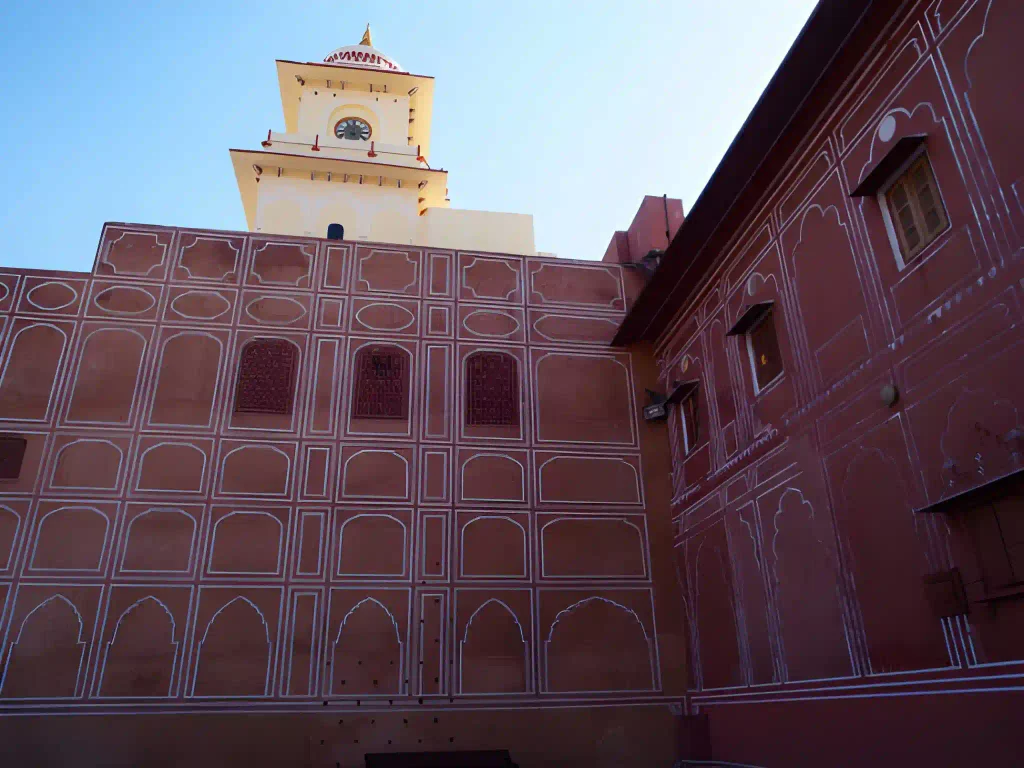
During the rule of Sawai Ram Singh II, the city was painted pink to welcome Albert Edward, Prince of Wales, in 1876. At the time, Jaipur was a British protectorate, and the visit of the future King of England was a massive deal. The then-ruler decided the best welcome gift was repainting his entire city – and it worked spectacularly.
After the Prince’s visit, Sawai Ram Singh II passed an order to all shopkeepers and households to maintain the now-famous pink colour. The tradition continues to this day.
The specific shade isn’t quite bubblegum pink – it’s a deep terracotta-rose, warm and earthy. And by law, buildings inside the old Walled City are still required to maintain this colour scheme. So what started as a one-time royal welcome has now become the identity of an entire city for generations.
That’s the real answer to why Jaipur is called the Pink City – and it’s a much better story than most people expect.
Jaipur’s UNESCO World Heritage Status – What You Need to Know
This is big news every visitor to Jaipur should know going into their trip.
The Walled City of Jaipur was inscribed as a UNESCO World Heritage Site – India’s 38th – during the 43rd Session of the World Heritage Committee held at Baku, Azerbaijan in 2019. By listing Jaipur as a World Heritage Site, the committee acknowledged the city’s outstanding value as a cultural property.
However, as of 2026, this hard-earned tag is under serious pressure. UNESCO has raised concerns over demolitions and illegal construction near protected heritage areas. The World Heritage Committee has given Jaipur until December 2026 to submit a comprehensive conservation report.
If you’re visiting the Jaipur UNESCO World Heritage walled city right now, you’re walking through a site that’s actively fighting to keep its global recognition. That makes the visit feel even more urgent – and more meaningful.
Top Places to See in Jaipur (The Must-Visits)
You can’t talk Jaipur history without talking about the monuments that bring it alive.
Amber Fort (Amer Fort)
The original seat of the Kachhwaha Rajput rulers before Jaipur was built. Indian visitors are charged ₹200 per ticket, while foreign tourists pay ₹1,000 for entry (rates effective January 2026). The elephant ride up to the fort is iconic, but walking up takes only 10–15 minutes and gives better views.
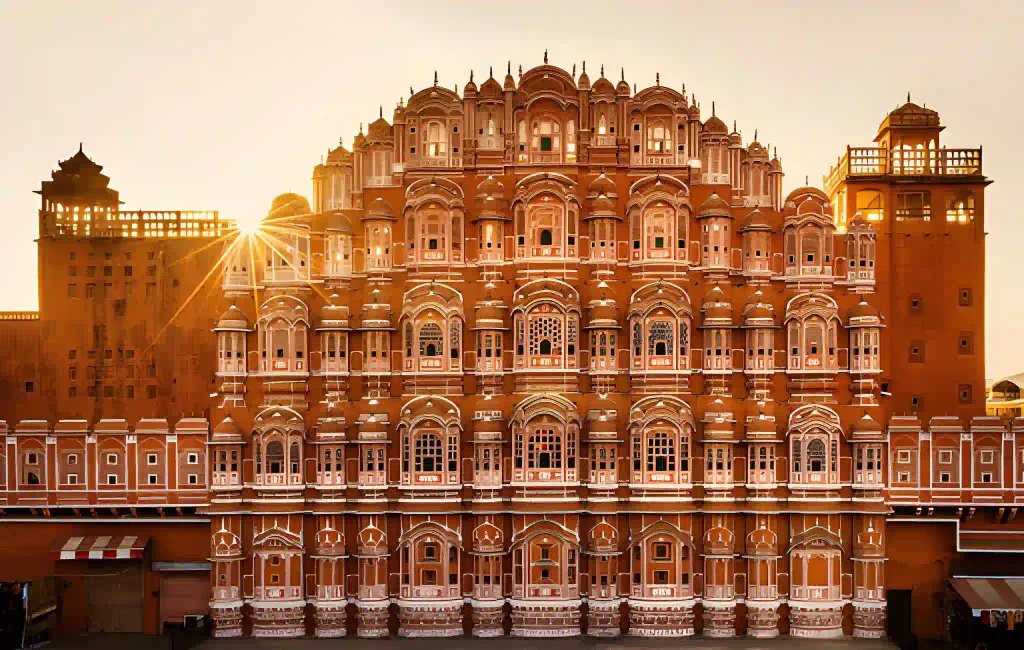
Hawa Mahal – The Palace of Winds
The honeycombed, 953-window facade is Jaipur’s most photographed face. Entry is ₹50 for Indian visitors and ₹200 for foreign visitors. Best shot: from the street opposite, early morning, before the crowds arrive.
City Palace
Still partly home to Jaipur’s royal family, the City Palace complex is a stunning blend of Rajput and Mughal architecture. Entry fees are ₹300 for Indians and ₹700 for foreign nationals, with timings from 10 AM to 6:00 PM.
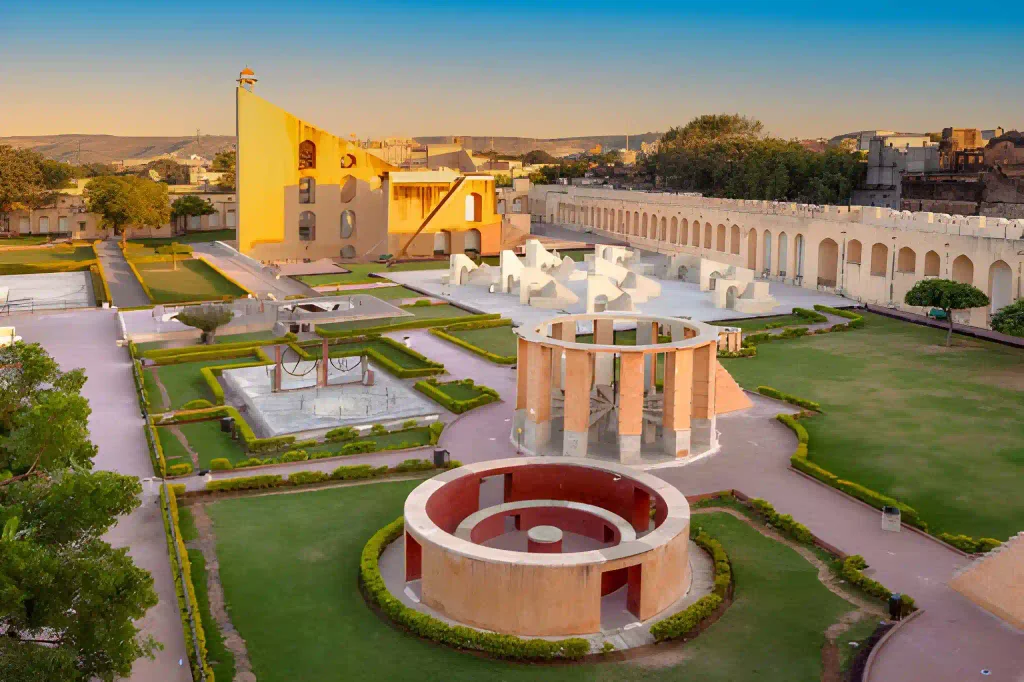
Jantar Mantar
Built by Sawai Jai Singh II himself, this open-air astronomical observatory is where science met architecture. It is also a UNESCO World Heritage Site in its own right – a separate inscription from the Walled City’s tag.
Nahargarh Fort
Literally meaning “Abode of Tigers,” Nahargarh Fort was built by Maharaja Jai Singh II in 1734. Entry fees are ₹50 for Indians and ₹200 for foreigners. The sunset view from here over the Pink City is something you’ll never forget.
Jal Mahal
The palace seemingly floating in Man Sagar Lake. Entry is free – visitors can enjoy the view from the lakeside promenade, though entry inside the palace is not permitted.
Albert Hall Museum
Rajasthan’s oldest museum, home to an incredible collection of art, carpets, and armoury. Day visit hours run from 9:00 AM to 5:00 PM daily.
Best Time to Visit Jaipur
The best season to visit Jaipur is from October to March. During these months, the city enjoys pleasant days, cool evenings, and an energy that just invites exploration.
For the best value, visit in the shoulder season (March & September), when prices and crowds drop.
Avoid May and June – temperatures can soar past 42°C, and even the locals will tell you that sightseeing in that heat is punishing. That said, hotels do get significantly cheaper.
Quick weather snapshot:
- October–February – Peak season, 11–27°C, ideal for all outdoor sightseeing
- March–April – Shoulder season, warming up but still manageable
- July–September – Monsoon, lush but humid; some prefer this for the quiet and prices
- May–June – Off season; brutal heat, budget deals
How to Reach Jaipur
By Air
The nearest airport is Jaipur International Airport (JAI), located approximately 13 kilometres from the city centre. The journey from the airport to city typically takes around 30 minutes by cab or prepaid taxi.
By Train
Jaipur Junction is situated 6 kilometres from the city centre. Multiple daily trains run from Delhi (around 4–5 hours on fast trains), Mumbai (around 18–20 hours), and other major cities. Book on IRCTC well in advance during peak season.
By Road
The road distance from Delhi to Jaipur is around 280 kilometres, and the drive usually takes about 5–6 hours. The Delhi–Jaipur Expressway has significantly improved travel times in recent years. Rajasthan State Road Transport Corporation (RSRTC) runs frequent luxury and Volvo buses from Delhi’s Kashmere Gate and Bikaner House terminals.
If you’re doing the classic Golden Triangle (Delhi–Agra–Jaipur), road travel between these three cities is very well set up and highly recommended.
Where to Stay in Jaipur
Jaipur has options across every budget – here’s a rough breakdown:
Budget (₹500–₹2,000/night)
Look around Sindhi Camp, Bani Park, and the areas near MI Road. Plenty of clean guesthouses and heritage havelis converted into budget stays.
Mid-range (₹2,500–₹8,000/night)
Bani Park and C-Scheme have great boutique hotels with rooftop restaurants. This is The Route Atlas’s sweet spot for value – you get character without the splurge.
Luxury (₹10,000+/night)
The Rambagh Palace (now a Taj Hotel) is Jaipur’s crown jewel – a former royal residence. Samode Haveli and Dera Mandawa are excellent alternatives with authentic heritage character and far fewer crowds.
Food You Must Try in Jaipur
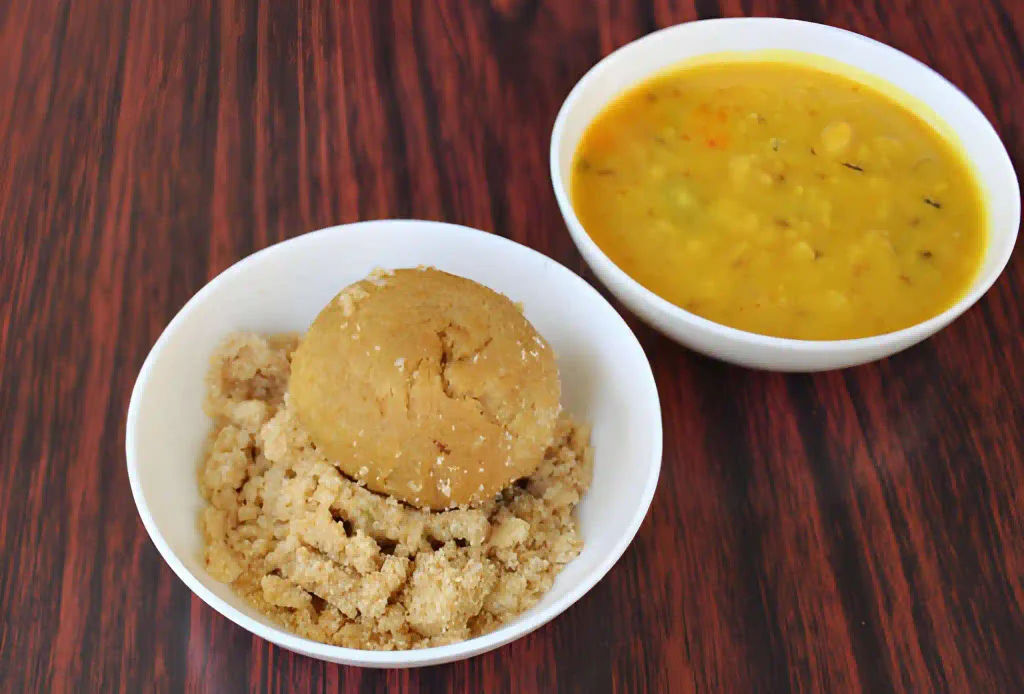
No trip to the Pink City is complete without diving deep into Rajasthani food. Here’s what you absolutely cannot skip:
- Dal Baati Churma – The culinary icon of Jaipur: dal (boiled lentils with spices), bati (wheat dough baked or fried) and churma (crushed wheat with ghee and sugar) – three dishes, one legendary meal. Try it at Santosh Bhojanalaya near Sindhi Camp.
- Pyaaz Kachori – Crispy, flaky, stuffed with spiced onions. The best ones come from Rawat Mishthan Bhandar on Station Road – expect a queue, worth every minute.
- Ghevar – A traditional sweet, especially part of festival meals. Not everyone can master a good Ghevar – when you find a great one, it’s pure magic.
- Laal Maas – A slow-cooked mutton curry for the non-vegetarian crowd, deeply spiced and absolutely worth the heat.
- Gatte ki Sabzi – Gram flour dumplings in a tangy yoghurt-based curry. Comfort food, Rajasthani style.
- Mawa Kachori – A sweet stuffed pastry soaked in sugar syrup. Sounds odd. Tastes incredible.
Street food hot spots: Bapu Bazaar, Johari Bazaar, and MI Road offer some of the best bites in the city.
Approximate Budget for a Jaipur Trip
Here’s a realistic cost breakdown for Indian travellers:
| Category | Budget | Mid-Range | Comfortable |
| Stay (per night) | ₹600–₹1,500 | ₹2,500–₹5,000 | ₹8,000+ |
| Food (per day) | ₹300–₹600 | ₹800–₹1,500 | ₹2,000+ |
| Local transport | ₹150–₹300 | ₹400–₹700 | ₹1,000+ |
| Monuments (3 days) | ₹300–₹600 | ₹600–₹900 | ₹1,500+ |
A comfortable 3-day trip for two people (staying mid-range) typically costs around ₹8,000–₹14,000 all-in, excluding intercity travel.
Pro tip from The Route Atlas: The composite monument ticket covering Amber Fort, Nahargarh, Jantar Mantar, and a few others bundles five major sites and is valid for two days – well worth the investment if you plan to see more than three attractions.
Practical Tips for Visiting Jaipur
- Book Amber Fort slots as early as possible – queues can be long, especially in peak season (Oct–Feb).
- Hire an auto-rickshaw by negotiating a half-day rate (around ₹400–₹600) rather than metered – it’s more flexible and usually cheaper.
- The old city’s bazaars – Johari Bazaar for jewellery, Bapu Bazaar for textiles – are best explored on foot or by rickshaw.
- Free entry is offered to many state monuments on Rajasthan Diwas (30th March) and World Heritage Day (18th April) – worth planning around if you’re flexible.
- Carry a light scarf – useful for temple visits and to block the afternoon sun.
- Best photography light at Hawa Mahal is early morning (7–9 AM) when the facade catches the golden hour glow.
A Quick Jaipur History Timeline
| Year | Event |
| 1727 | Sawai Jai Singh II founds Jaipur on 18 November |
| 1734 | Nahargarh Fort constructed, Jantar Mantar completed |
| 1876 | City painted pink to welcome Prince of Wales |
| 1949 | Jaipur joins the Indian Union on 7 April |
| 2019 | Walled City of Jaipur inscribed as UNESCO World Heritage Site |
| 2026 | UNESCO deadline for Jaipur to submit conservation report |
The Route Atlas Take: Is Jaipur Worth It?
Absolutely, without question. The history of Jaipur isn’t just a story you read in a textbook – it’s visible in every archway, every painted facade, every chaotic and beautiful lane of the Walled City. This place was designed with intention nearly 300 years ago, and you can still feel that vision in how the city is laid out.
Go for the forts, stay for the food, and leave with a little piece of the Pink City in your heart. Jaipur doesn’t just show you history – it makes you feel it.
The Route Atlas recommends budgeting at least 3–4 days for a proper Jaipur experience. Rush it, and you’ll miss the city’s soul.
5 FAQs About Jaipur
Q1. Who founded Jaipur and in which year?
Jaipur was founded by Maharaja Sawai Jai Singh II, the Kachhwaha Rajput ruler of Amer, on 18 November 1727. The city is named after him – “Jaipur” literally means “City of Jai.”
Q2. Why is Jaipur called the Pink City?
Jaipur earned the nickname “Pink City” after Maharaja Sawai Ram Singh II ordered the entire city to be painted pink in 1876 to welcome Albert Edward, the Prince of Wales. The tradition has been maintained ever since, and buildings inside the Walled City are legally required to retain this colour.
Q3. Is Jaipur a UNESCO World Heritage Site?
Yes. The Walled City of Jaipur was inscribed as a UNESCO World Heritage Site in 2019. However, as of 2026, UNESCO has raised concerns over demolitions and construction near heritage zones, and the city has until December 2026 to submit a conservation report.
Q4. What makes Jaipur a planned city?
Jaipur was designed from scratch before construction began, based on Vastu Shastra principles and a grid-iron layout. Architect Vidyadhar Bhattacharya created a blueprint that divided the city into nine rectangular sectors – a remarkably advanced concept for the 18th century.
Q5. What is the best time to visit Jaipur?
The best time to visit Jaipur is October to February, when the weather is cool and pleasant (11–27°C). March and September are good shoulder-season options with fewer crowds and lower prices.