Let me be straight with you – I’ve visited Jaipur more times than I can count, watched it transform from a gem that only serious India travellers knew about into a full-blown Instagram pilgrimage. And every single time someone asks me “is Jaipur worth visiting?”, my answer is the same: it depends entirely on who you are as a traveller. So instead of the usual “10 reasons to visit Jaipur” fluff, here’s a genuinely honest breakdown from someone who has seen the city at sunrise, at peak-season chaos, and everything in between. At The Route Atlas, we believe in giving you the real picture – not just the pretty one.
First Things First – What Makes Jaipur Special?
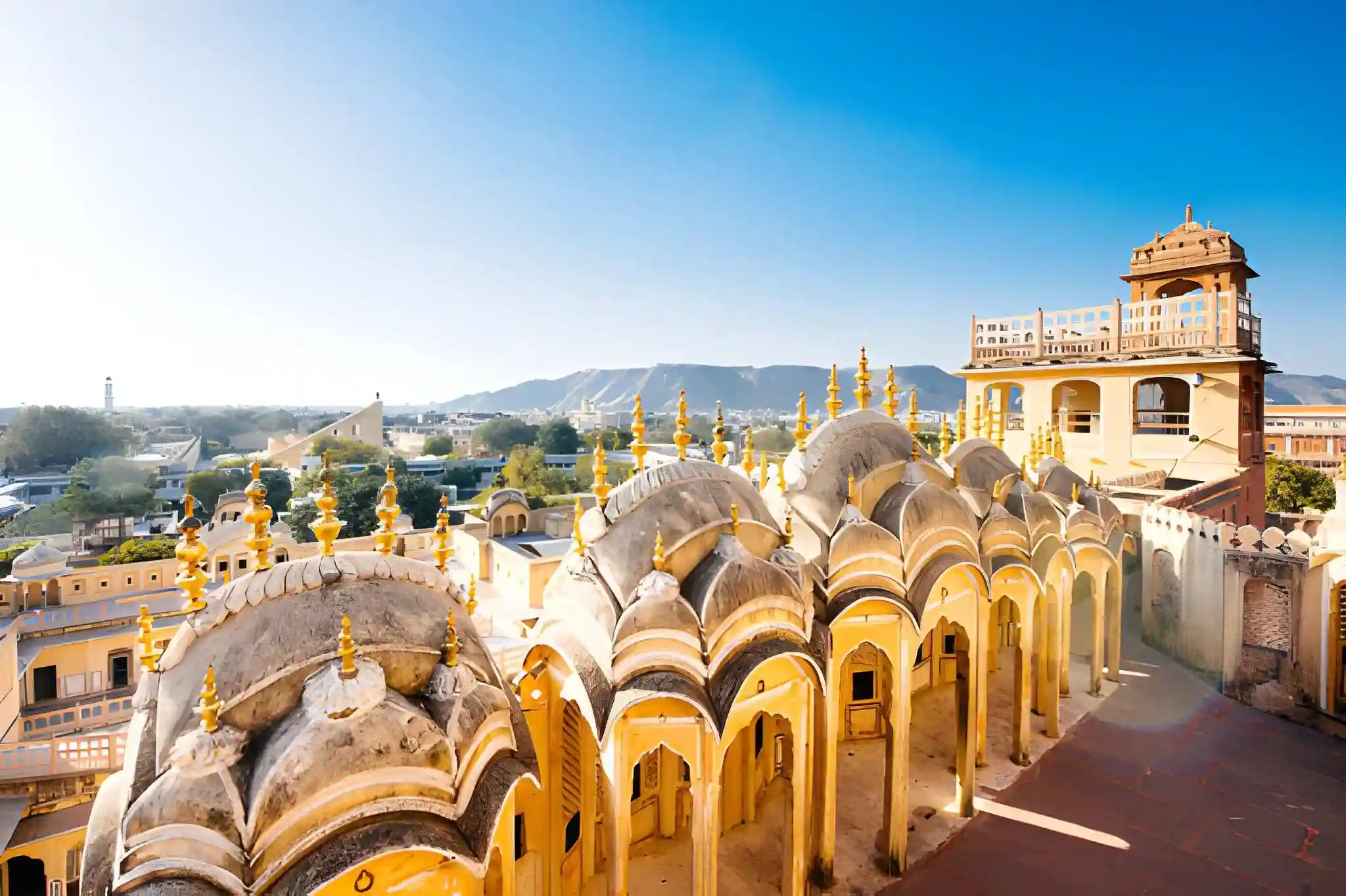
Jaipur is the capital of Rajasthan, and it was founded in 1727 by Maharaja Sawai Jai Singh II. It sits at the top of India’s famous Golden Triangle circuit alongside Delhi and Agra, and for good reason – the concentration of royal heritage here is genuinely staggering. Forts that watch over the entire city, palaces that double as living museums, stepwells that feel like portals to another century.
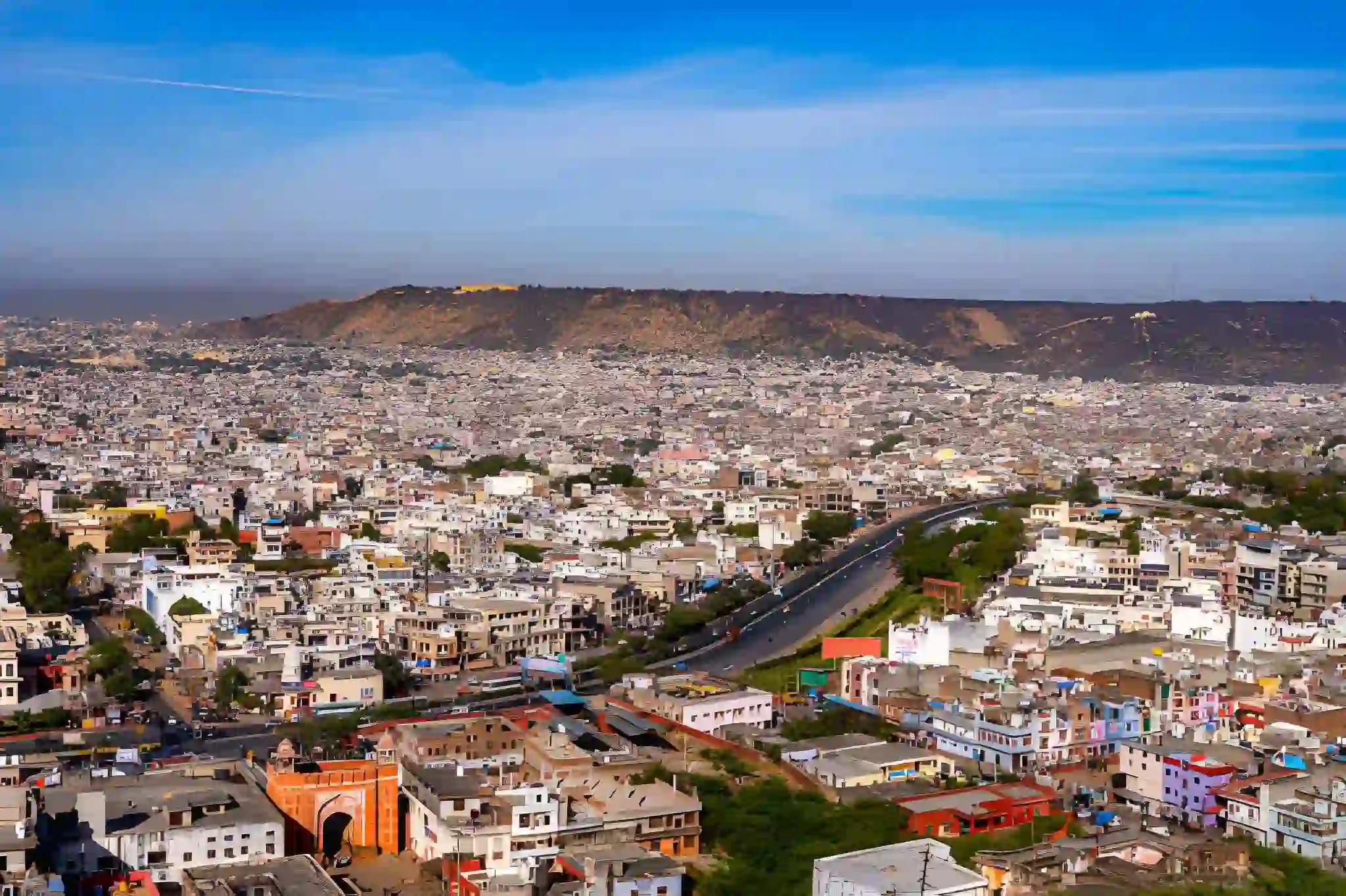
Jaipur, famously known as the Pink City, is a magnificent testament to India’s royal heritage. The city’s so-called “pinkness” isn’t natural – it was painted pink in 1876 to welcome the Prince of Wales – but the grandeur absolutely is. And what food. What food.
Searches for Jaipur are up 107% year over year, making it the second-biggest jump of any destination on Skyscanner’s 2026 travel trends report – only a Costa Rican province beat it. So clearly, the word is out.
Is Jaipur Overrated? The Honest Answer
Here’s something the glossy travel blogs won’t tell you: yes, parts of Jaipur are overrated. And no, that doesn’t make it a bad destination.
The over-commercialisation of Jaipur has made local markets expensive and less authentic in recent years. The bazaars near major monuments are increasingly souvenir-heavy, and touts near gem shops and textile stores can wear you down fast. Aggressive gem and textile touts operate near bazaars – scams are common, so keep your guard up and decline politely but firmly.
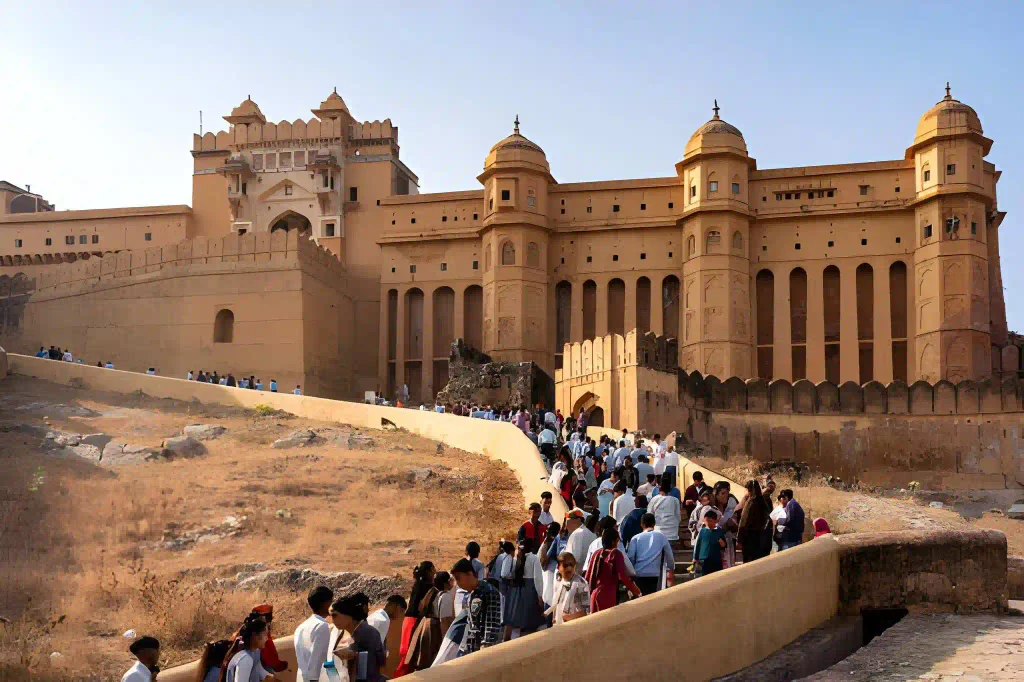
Is Jaipur crowded? Very much so – especially from October to March. City Palace in Jaipur is famous for its stunning architecture and rich history, but it is also one of the most crowded tourist attractions in India. Some spots like Nahargarh Fort have become a bit overrated due to their popularity on social media platforms like Instagram.
But here’s the thing – the city’s sheer scale means there’s always a quieter corner to find. The problem is most tourists follow the same 3-site checklist and then complain it’s crowded. If you dig a little deeper, Jaipur still has real magic.
Top Places to See in Jaipur (Actually Worth Your Time)
Before we get to the traveller-type breakdown, let’s establish what the city actually has on offer. This isn’t an exhaustive list – it’s the stuff that genuinely delivers:
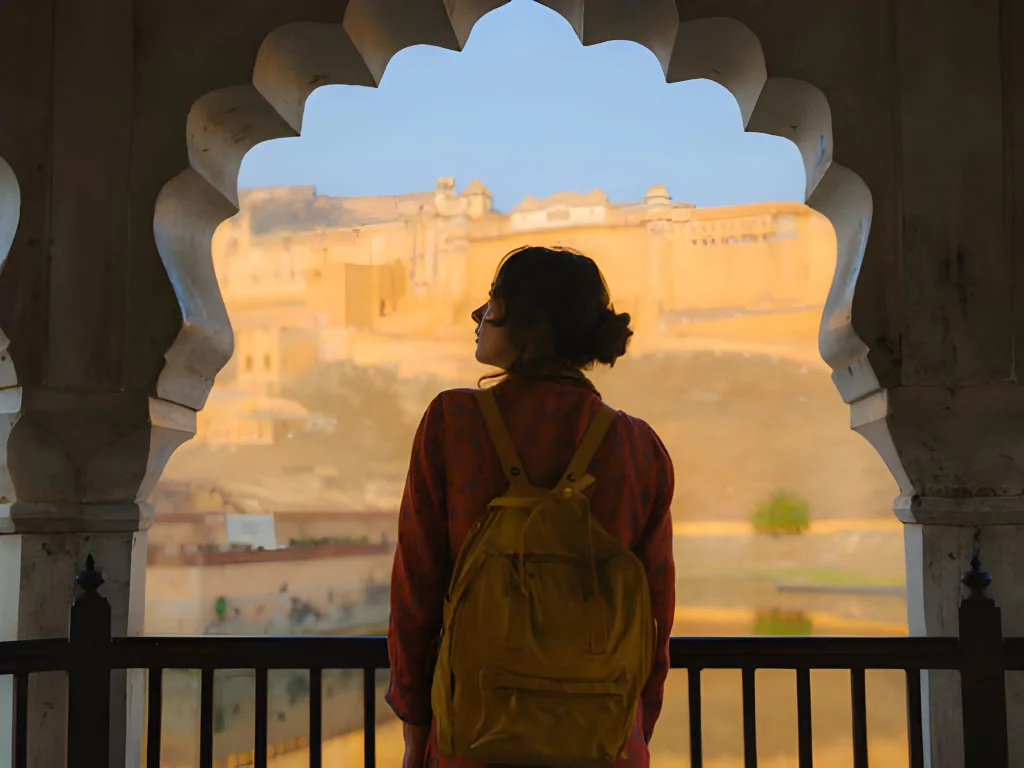
- Amber Fort – The crown jewel. A UNESCO World Heritage Site built in 1592, one of the finest examples of Rajputana architecture. Go early (by 9 AM) to beat the crowds and the heat.
- City Palace – Part museum, part royal residence. Still partially occupied by the royal family. Worth the ticket.
- Jantar Mantar – An 18th-century astronomical observatory. Sounds dry; it’s actually mind-bending. Give it at least an hour.
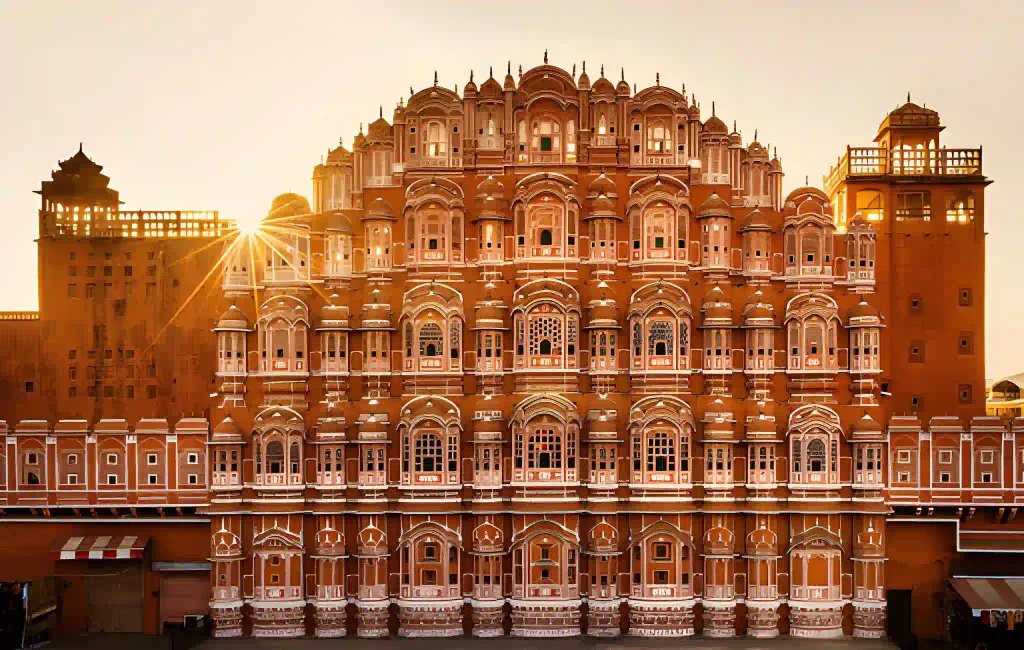
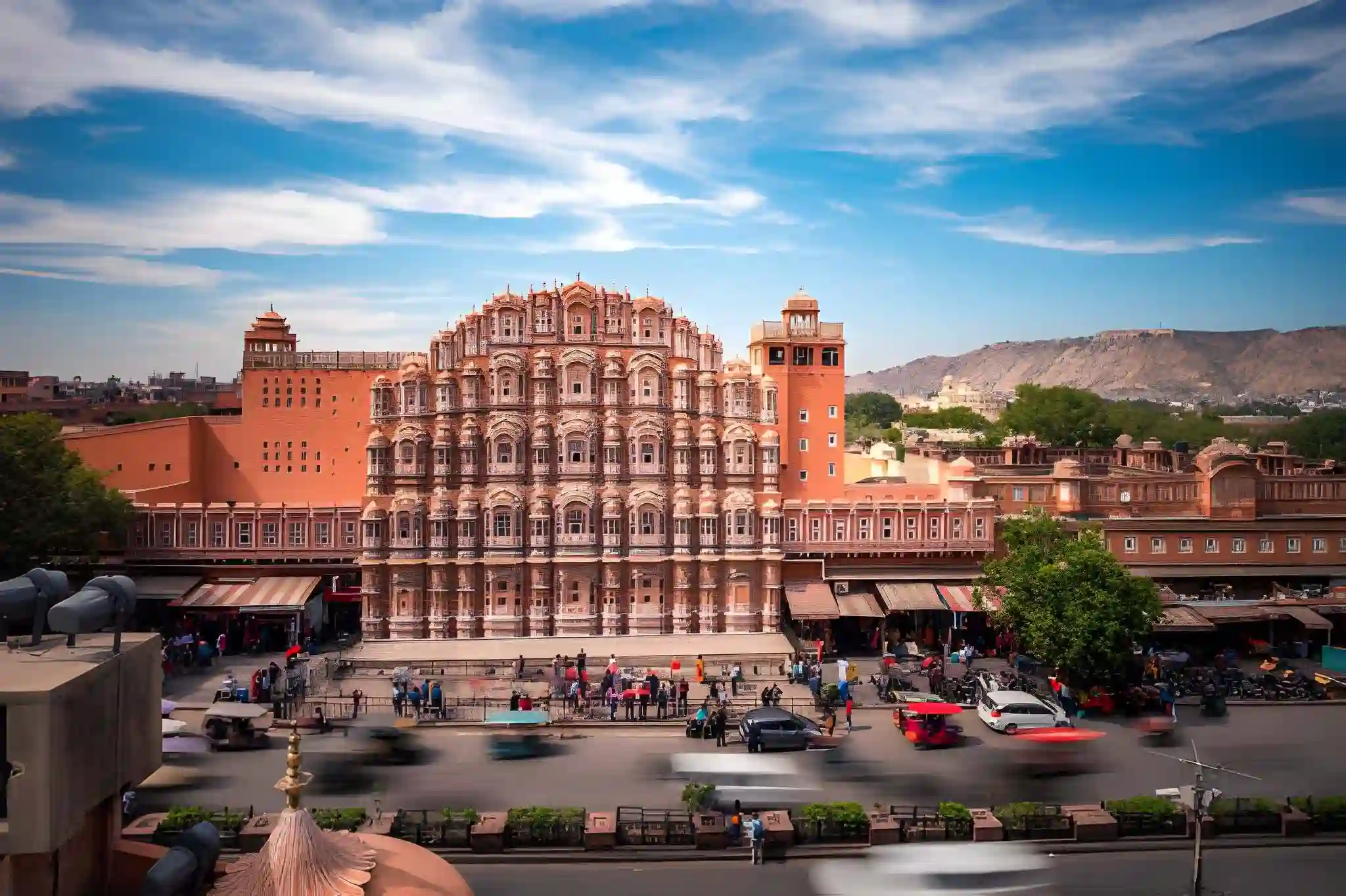
- Hawa Mahal – The iconic five-storey “Palace of Winds” is better from the outside. Arrive between 9 and 11 AM for the best photographs of the pink facade lit by the morning sun.
- Jal Mahal – A water palace in the middle of Man Sagar Lake. Entry inside the palace is not allowed, but the lakeside promenade is free and gorgeous.
- Nahargarh Fort – Sunset views over the city. Go on a weekday to avoid weekend selfie crowds.
- Panna Meena Ka Kund – A stunning stepwell that most tourists miss entirely. No entry fee, far fewer people, and worth every minute.
- Albert Hall Museum – Underrated. Great textiles, arms & armour, and marble art exhibits.
Entry Fees – What You’ll Actually Pay
After nearly a decade, the Rajasthan government revised entry ticket prices for monuments and tourism sites, with new rates coming into force from January 1, 2026. Amber Fort, one of the most visited monuments, now charges Indian visitors ₹200 – double the earlier rate – while foreign tourists pay ₹1,000.
For most other sites, fees are more reasonable:
- Hawa Mahal: ₹50 for Indian tourists, ₹200 for foreign tourists
- Jal Mahal: Free (promenade only)
Pro tip: A composite ticket for foreigners (around ₹1,000) bundles five major sites and is valid for two days – well worth it if you plan to see more than three attractions. Ask for it at any major monument ticket window.
How to Reach Jaipur
Getting to Jaipur is genuinely easy from most major Indian cities:
- By Air: Jaipur International Airport (JAI) is well-connected to Delhi, Mumbai, Bangalore, Hyderabad, and several other cities. It’s about 15–20 km from the city centre.
- By Train: Journey time from Delhi is around 4 hours 18 minutes, with tickets available from approximately ₹200. Multiple daily trains run on the Delhi–Jaipur route including Shatabdi and Ajmer Express.
- By Road: Jaipur is around 280 km from Delhi via NH48. Buses take around 6 hours 30 minutes and cost from approximately ₹399. State-run RSRTC buses, Volvo coaches, and private operators all serve this route.
For getting around Jaipur itself, autos and app-based cabs (Ola, Uber) are your best bet. The city is not particularly walkable between attractions, so budget for local transport.
Best Time to Visit Jaipur
The best time to visit Jaipur is during the winter season from October to February, when temperatures range from 7°C to 28°C. This is peak season – comfortable weather, all attractions fully operational, and a lively atmosphere.
A few nuances worth knowing:
- October–November: Great weather, fewer tourists than December–January, better hotel prices
- December–January: Peak of peak season. Cold nights (can drop to 5°C), very crowded, accommodation prices spike. Book everything in advance.
- February–March: Festival season (including Holi in March). Weather still pleasant, more local colour.
- April–June: Hot – very hot. 40°C+ is common. Only for budget travellers who don’t mind the heat and want empty forts and cheap rooms.
- July–September (Monsoon): Hotel accommodation prices are lower than peak season, making it a solid time for budget travellers. Weather can be humid but the city turns green.
Where to Stay in Jaipur (Budget to Luxury)
One thing Jaipur does exceptionally well is accommodation variety. You can genuinely find something for every wallet:
Budget (₹500–₹1,500/night):
- Zostel Jaipur and Moustache Jaipur are reliable backpacker picks near the railway station.
- Small heritage havelis in the old city area offer character for ₹800–₹1,500.
Mid-Range (₹2,000–₹6,000/night):
- Bani Park and C-Scheme are great neighbourhoods for mid-range properties – quieter, cleaner, and well-connected.
- Boutique havelis in this range are genuinely special. Look for Dileep Kothi or Umaid Mahal for a heritage experience without the palace price tag.
Luxury (₹8,000+/night):
- ITC Rajputana, Hilton Jaipur, and Chokhi Dhani Resort are the big names for 5-star stays.
- For a true splurge, Rambagh Palace – a former royal hunting lodge – is in a category of its own.
What to Eat in Jaipur (Don’t Miss These)
If Jaipur’s forts are its visual identity, its food is its soul. Seriously – plan your meals as carefully as your itinerary.
Can’t-miss dishes:
- Dal Baati Churma – Regarded as the most loved dish of Rajasthan: dal (lentil curry), baati (crispy baked bread), and churma (a sweet wheat dessert) served together as one meal. Try it at Santosh Bhojanalaya at Sindhi Camp.
- Pyaaz Kachori – A deep-fried pastry stuffed with spicy onion filling. Rawat Mishthan Bhandar on Station Road is the gold standard. Go in the morning.
- Laal Maas – A slow-cooked mutton curry with serious red chilli heat. Not for the faint-hearted.
- Ghevar – One of Rajasthan’s most beloved sweets. A honeycomb-shaped fried sweet, especially good during festivals.
- Kulhad Lassi – Thick, cold, slightly sweet. The kind of lassi that ruins all other lassi.
Where to eat: Bapu Bazaar and Johari Bazaar areas for street food. LMB (Laxmi Misthan Bhandar) on Johari Bazaar is an institution. For rooftop dining with a view, the cafés near Hawa Mahal are worth the slight markup.
Jaipur Pros and Cons – The Honest Scorecard
Pros:
- Extraordinary concentration of Mughal and Rajput heritage in one city
- Incredible food scene – both street-level and sit-down
- Strong transport connectivity from major Indian cities
- Accommodation for every budget
- Part of the world-famous Golden Triangle circuit
Cons:
- Very crowded during peak season (October–March)
- Touts near major attractions can be relentless
- Pollution spikes in winter, particularly December and January
- Entry fees have increased significantly from January 2026
- Some bazaars feel increasingly tourist-oriented rather than locally authentic
Is Jaipur Worth Visiting? A Verdict by Traveller Type
This is what you actually came for. Here’s how Jaipur plays out depending on who you are:
First-Time India Travellers
Absolutely go. Jaipur is one of India’s most accessible introductions to the subcontinent. It’s not too overwhelming, tourist infrastructure is solid, and the heritage payoff is extraordinary. Pair it with Delhi and Agra for the classic Golden Triangle.
History & Architecture Lovers
Don’t even hesitate. The density of Mughal and Rajput architecture here is unmatched outside Agra. Amber Fort alone justifies the trip. Add Jantar Mantar, City Palace, and the stepwells, and you could spend a week and still find something new.
Food Enthusiasts
Go. Rajasthani cuisine is distinct and incredibly satisfying. Even if you only had time for a Pyaaz Kachori breakfast and a Dal Baati Churma lunch, it’d be worth the train ticket.
Photographers
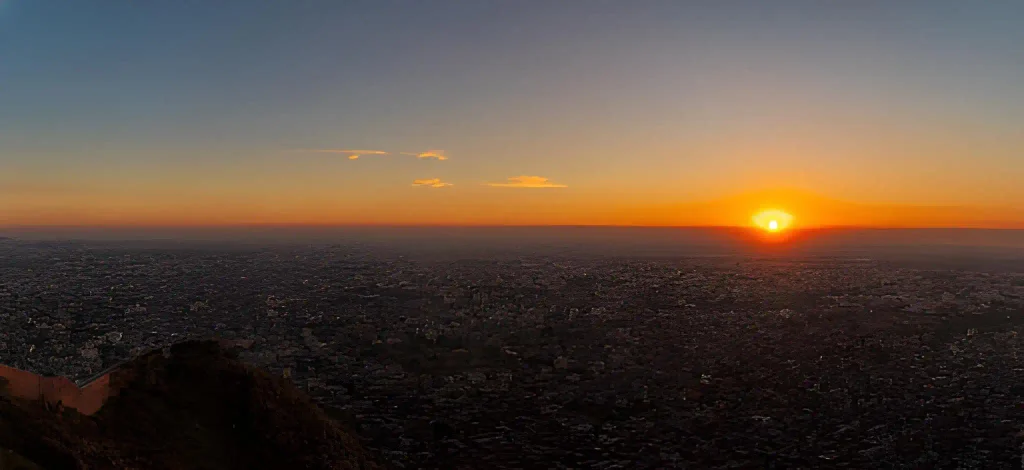
Yes, with caveats. The Pink City’s colours, the fort silhouettes at golden hour, the chaotic bazaars – all incredible. But you’ll be competing with hundreds of other cameras at the popular spots. Go early, stay late, and shoot Panna Meena Ka Kund when it’s empty.
Travellers Seeking “Authentic” / Non-Touristy India
Proceed with realistic expectations. The tourist circuit in Jaipur is well-worn. If you go off-script – visit local markets, eat where locals eat, skip Hawa Mahal for the stepwells – you’ll find authenticity. If you stick to the standard itinerary, it’ll feel like a heritage theme park by day two.
Travellers Who Hate Crowds
Visit in shoulder season (October or February–March). Jaipur in December and January is genuinely mobbed. If you’re crowd-averse but still want to visit, go on weekday mornings, buy composite tickets in advance, and avoid Amber Fort on weekends.
Travellers Seeking Nature, Beaches, or Complete Quiet
Jaipur isn’t your city. It’s loud, urban, and almost entirely heritage-focused. Consider pairing it with Ranthambore (tiger safari) or continuing to the desert near Jaisalmer if you need a contrast.
Approximate Budget for Jaipur
Here’s a rough daily estimate (per person):
| Travel Style | Daily Budget (Approx.) |
| Budget backpacker | ₹1,500–₹2,000 |
| Mid-range traveller | ₹3,500–₹6,000 |
| Comfort/luxury | ₹10,000–₹25,000+ |
Meals at tourist spots cost around ₹300–₹500, while local eateries are more like ₹150–₹300. Attraction entry fees are typically ₹100–₹200 for Indian nationals. Add transport and you have your daily figure.
Ideal duration: 2–3 full days to cover the highlights; 4–5 days if you want to go deeper.
Final Verdict Is Jaipur Worth Visiting?
Yes. With eyes open.
Jaipur is not an undiscovered secret. It is busy, it has touts, some parts of it have been polished into a tourism-friendly shine that removes some of the rough-edged realness. But strip all that away, and you’re still left with one of the most architecturally remarkable cities in South Asia, some of the best food you’ll eat in India, and a cultural identity that centuries of royal ambition built brick by brick.
Go. Just go knowing what you’re walking into, pick the right season for your personality, and book your Amber Fort tickets early in the morning before the crowds hit. At The Route Atlas, we’ve sent dozens of different types of travellers to Jaipur, and almost none have come back saying it wasn’t worth it. The ones who didn’t connect with it? They were the ones who expected it to be something it was never trying to be.
5 FAQs About Visiting Jaipur
1. Is Jaipur safe for solo travellers, including women?
Generally yes – Jaipur is considered one of the more tourist-friendly cities in Rajasthan. Standard precautions apply: stick to well-lit areas at night, use registered autos or app-based cabs, and be firm (not rude) with touts. Many solo female travellers visit Jaipur without issues.
2. How many days do you need in Jaipur?
Two full days covers the main highlights (Amber Fort, City Palace, Hawa Mahal, Jantar Mantar). Three days gives you breathing room to explore at a relaxed pace and squeeze in Nahargarh Fort, the stepwells, and proper bazaar time. For a deeper dive, four to five days is ideal.
3. Is Jaipur expensive compared to other Indian cities?
It’s mid-range. Not as expensive as Goa or the Himachal hill stations in peak season, but pricier than Varanasi or smaller Rajasthan towns. Budget travellers can manage comfortably on ₹1,500–₹2,000 per day; mid-range travellers should budget ₹4,000–₹6,000.
4. Can you do Jaipur as a day trip from Delhi?
Technically yes – the train journey is around 4–5 hours each way, so a very long day is possible. But it’s not recommended. Jaipur deserves at least two nights; a rushed day trip will leave you exhausted and you’ll see maybe two or three attractions at best.
5. What’s the best way to avoid tourist traps in Jaipur?
Skip the gem shops near monuments entirely (the “factory tours” are a classic scam). Eat where you see local families, not where the menus have pictures. Book accommodation and transport through reliable apps rather than touts at the station. And get a composite ticket at the first monument you visit – it saves money and multiple ticket queues.
At The Route Atlas, we believe honest travel advice is better travel advice. If this helped you decide, share it with someone planning their Rajasthan trip.