By The Route Atlas
Jaipur doesn’t greet you gently. The moment you step out of the station, the city hits you – the honking autos, the smell of masala chai floating from a roadside stall, and those terracotta-pink walls catching the afternoon sun. If you’ve been putting off this trip, stop delaying. And if you’re coming back, trust me, the city has a few surprises left.
This Jaipur travel guide has everything you need – from the latest entry fee updates to honest budget breakdowns – so you can plan smart and soak in every bit of Jaipur tourism without the guesswork.
Why Jaipur Is Worth Every Rupee (and Then Some)
Jaipur is part of India’s famous Golden Triangle circuit (Delhi–Agra–Jaipur) for good reason. It’s one of those rare cities where you can walk into a 400-year-old fort in the morning and sit in a rooftop café sipping cold brew by afternoon. Founded in 1727 by Maharaja Sawai Jai Singh II, Jaipur is popularly known as the Pink City and stands as one of India’s most popular heritage and cultural tourism destinations.
National Geographic recently called Jaipur one of the world’s brightest cities – and once you’re here, you’ll understand why.
What’s New in Jaipur: Latest Updates Worth Knowing
Before we get into the classic Jaipur trip planner stuff, here’s what’s actually changed recently – because this is exactly the kind of information most blogs skip.
Entry Fee Hike (Effective January 1, 2026)
This is big. After nearly a decade, the Rajasthan government revised entry ticket prices for monuments and tourism sites under its control, with the new rates coming into force from January 1, 2026. Amber Fort – one of the most visited monuments – now charges Indian visitors ₹200 per ticket (double the earlier rate), while foreign tourists pay ₹1,000, up from ₹300.
For tourists who plan to explore multiple sites, the government has introduced a consolidated ticket option – Indians can purchase it for ₹1,300 (valid 10 days) covering all state-controlled monuments, museums, and art galleries; foreigners pay ₹5,500. If you’re planning to tick off 4+ sites, that composite pass is genuinely worth it.
Jaipur Metro Phase 2 – Approved!
The Union Cabinet approved the ₹13,037.66 crore Jaipur Metro Phase-2 project – a 41-kilometer North-South corridor with 36 stations – expected to ease traffic congestion and reduce emissions. Targeted for completion by September 2031, it won’t directly impact your current trip, but it signals Jaipur is investing heavily in modern infrastructure. For now, autos and ride-hailing apps remain your best bet around the city.
Best Time to Visit Jaipur
No jargon – here’s the simple breakdown:
- October to March – The golden window. Pleasant days (15–25°C range), perfect for sightseeing. This is peak tourist season, so book accommodation and trains early. The best time to explore Jaipur is during winter months from October to March.
- April to June – Hot. Very hot. Temperatures can cross 42°C. Hotels are cheaper, crowds thinner – if you can handle the heat, budget travel is easier here.
- July to September – Monsoon season. The city turns green and beautiful but can get muddy around the forts. Some outdoor areas may be partly closed.
Our pick at The Route Atlas: Arrive between late October and early February for the best mix of weather and vibe.
How to Reach Jaipur
Getting to Jaipur is genuinely easy – here are your options:
By Air
Jaipur International Airport connects the city to Delhi, Mumbai, Bengaluru, Hyderabad, and several other major cities. If you’re coming from Delhi, the flight is under an hour. From Mumbai, expect about 1.5 to 2 hours.
By Train
Easily the most popular and scenic option. Top trains from Delhi include the Shatabdi, Rajdhani, Duronto, and Mandor Express – and for a luxury experience, the Palace on Wheels is one of the most iconic train journeys to Jaipur. Delhi to Jaipur by train takes around 4 to 5 hours depending on the express.
Coimbatore–Jaipur special trains have also been extended on select weeks, with reservations open for those travelling from South India.
By Road
Delhi to Jaipur is around 280 km on NH-48, a smooth 4–5 hour drive. Rajasthan State buses and private Volvo coaches run regularly between Delhi, Agra, Jodhpur, and Jaipur. If you’re doing a Rajasthan road trip, this is honestly one of the more enjoyable stretches.
Top Places to Visit in Jaipur – The Must-See List
This is the core of any good Jaipur tourist guide, so here’s what actually deserves your time:
Amber Fort (Amer Fort)
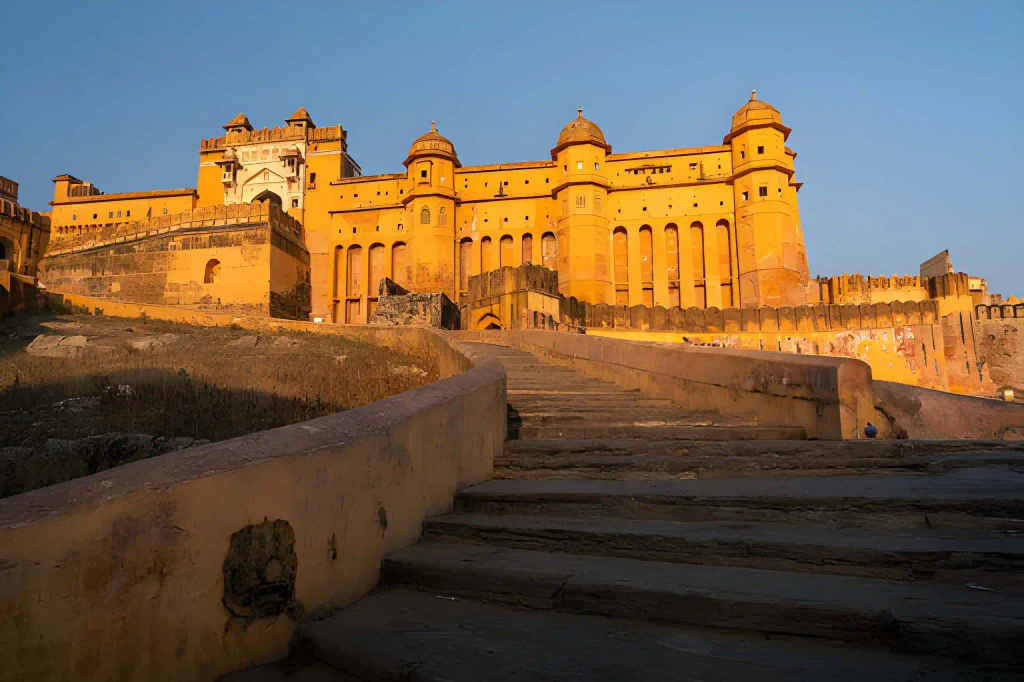
Amber Fort tops every list of places to visit in Jaipur – and for good reason. Built in 1592, it’s a UNESCO World Heritage Site and one of the finest examples of Rajputana architecture. Entry for Indians is now ₹200; foreigners ₹1,000. Arrive between 9 and 11 AM for the best photographs, with the fort lit beautifully by morning sun.
Hawa Mahal (Palace of Winds)
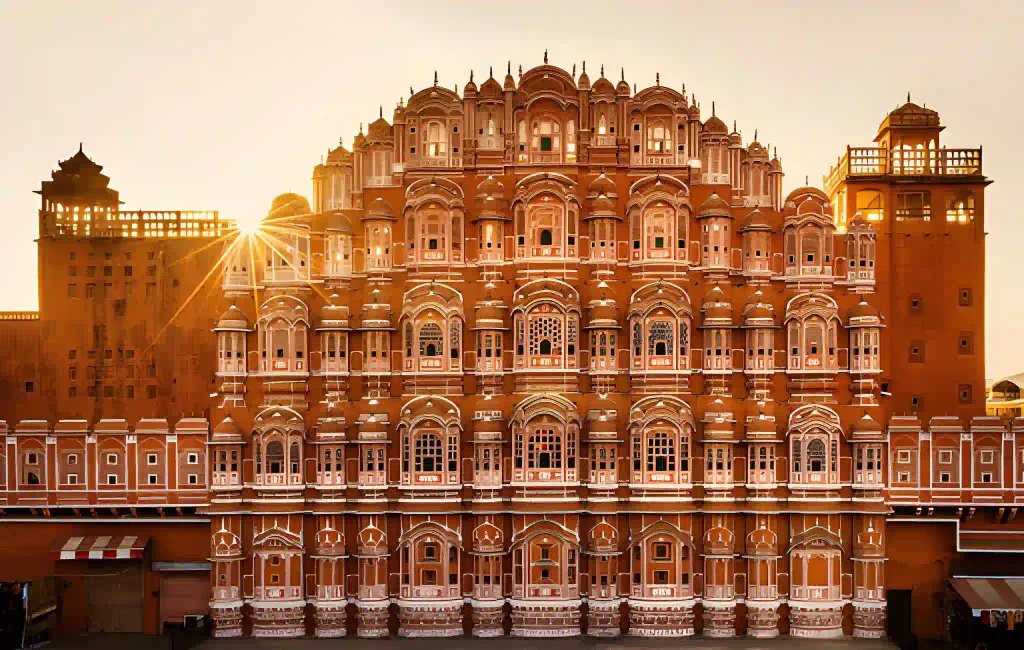
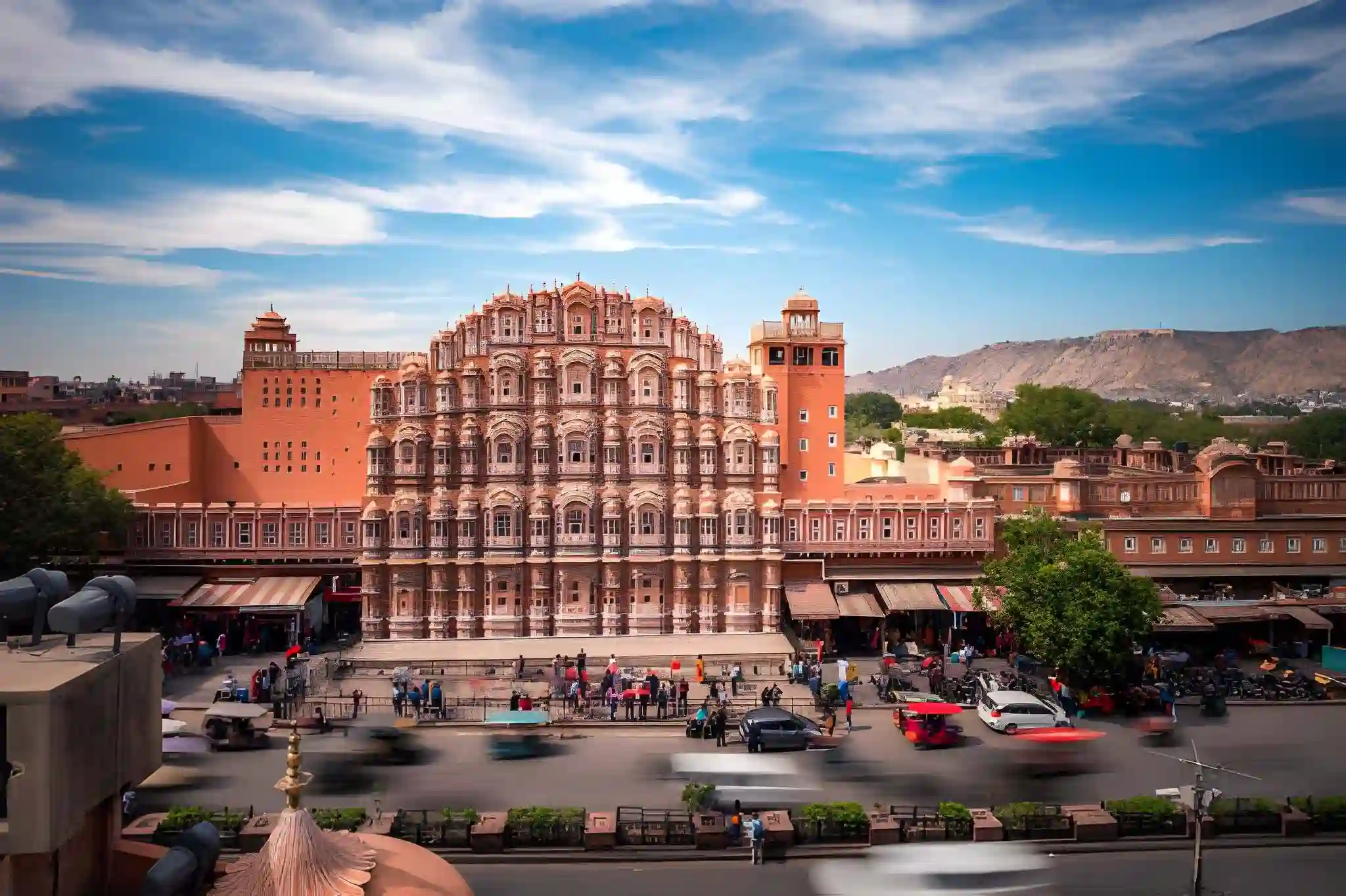
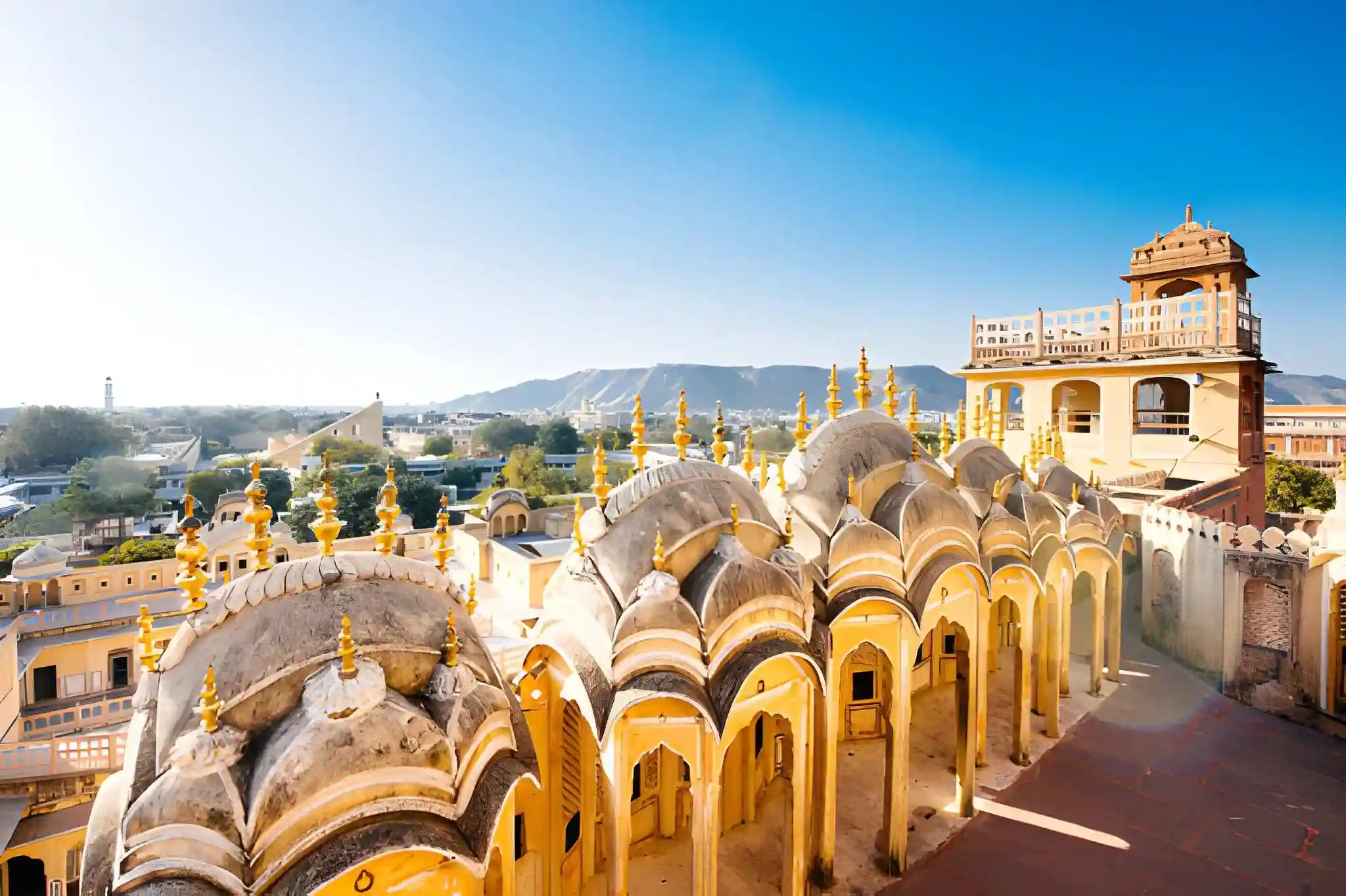
Iconic, unmissable, and best seen from the outside early morning. Entry fee is ₹50 for Indian tourists and ₹200 for foreigners; timings are 9:00 AM to 5:00 PM and you’ll need about 1 hour here. Children under 15 (Indian nationals) enter free.
Jantar Mantar
A UNESCO World Heritage Site – this open-air astronomical observatory is surprisingly fascinating. Plan around 45 minutes here and do bring a cap; there’s no shade.
City Palace
Entry for the main palace is ₹200 for Indians and ₹700 for foreigners, with a Royal Grandeur Tour priced at ₹2,500 for private areas with a royal guide. The museum section inside is genuinely impressive – royal garments, manuscripts, weapons – it doesn’t feel like a typical museum.
Jal Mahal
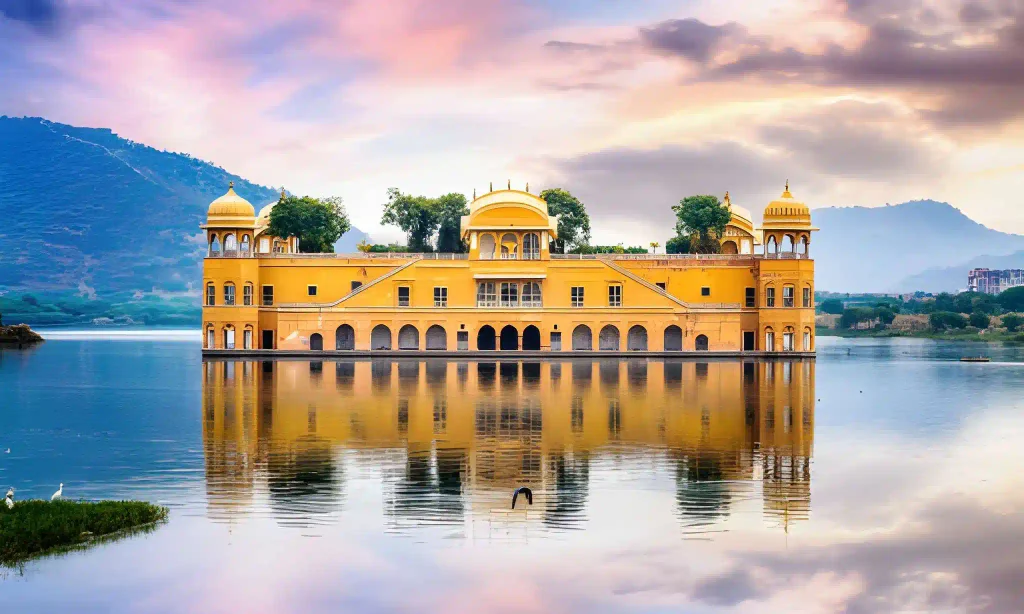
Entry to Jal Mahal is free – visitors can enjoy the view from the lakeside promenade, though entry inside the palace itself is not allowed. Great for a quick stop and photos, especially at sunset.
Nahargarh Fort
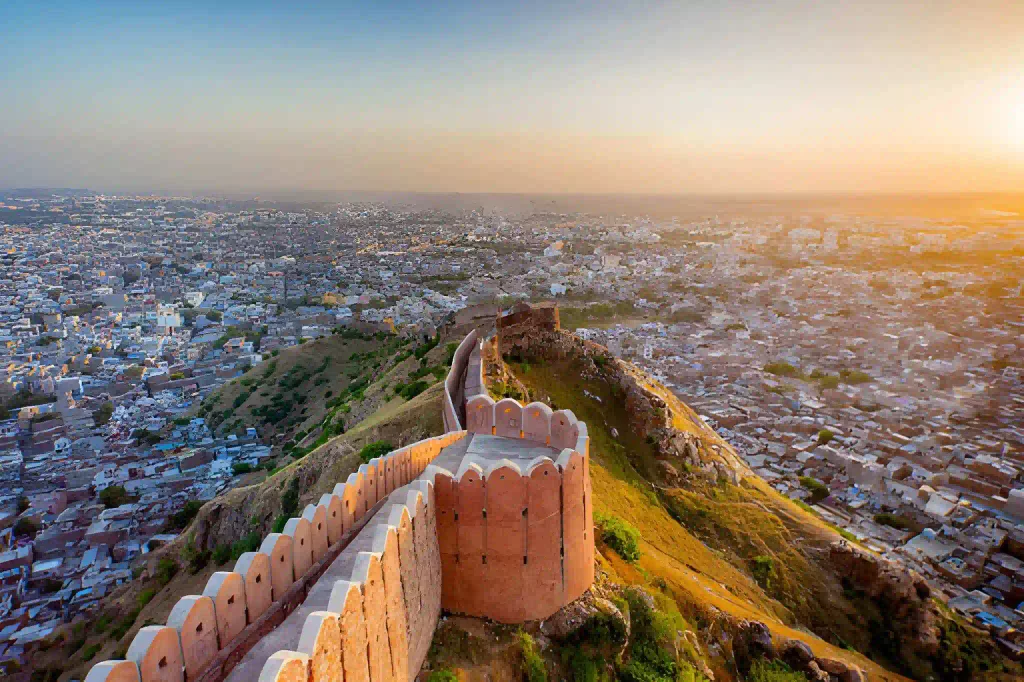
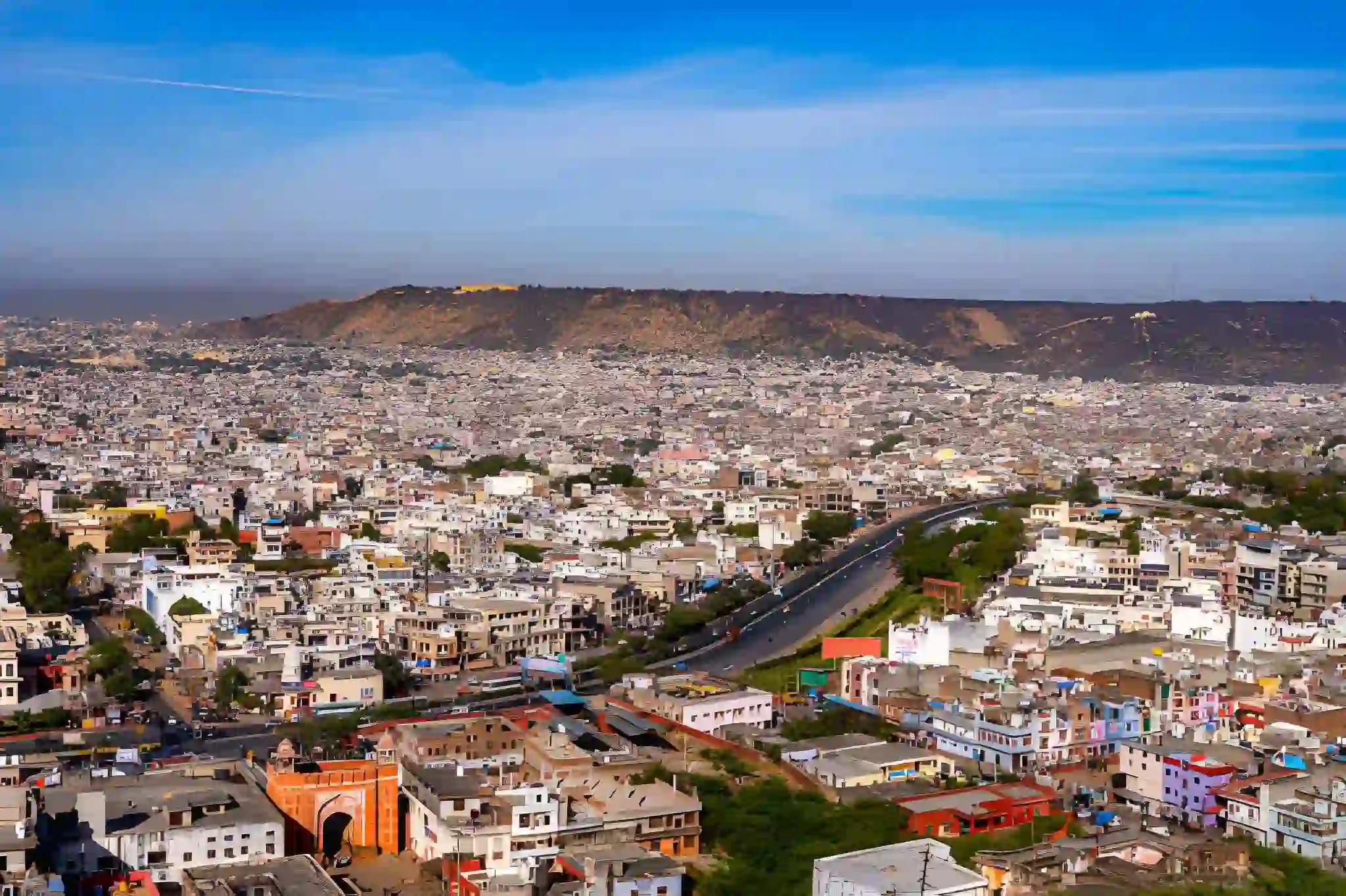
Skip the crowds of Amber and come here for panoramic views of Jaipur at sunset. It’s quieter, more raw, and arguably more beautiful at dusk. Entry around ₹100 for Indians.
Albert Hall Museum
Jaipur’s oldest museum with an impressive collection of artifacts, carpets, and an Egyptian mummy. Business hours are 10 AM to 7 PM.
Other places worth adding to your Jaipur trip planner:
- Panna Meena Ka Kund (stunning stepwell, mostly unseen)
- Galta Ji (Monkey Temple)
- Birla Mandir
- Chokhi Dhani (for a full Rajasthani village experience)
Where to Stay in Jaipur: Budget to Luxury
Jaipur has something for every kind of traveller. Here’s a quick breakdown by budget:
Budget (₹800–₹2,000/night)
Look around Bani Park and areas near the railway station. Good guesthouses and clean backpacker hostels are easy to find. Pearl Palace Heritage is a popular mid-budget choice with good reviews.
Mid-Range (₹2,500–₹6,000/night)
Boutique heritage havelis are the sweet spot here. Average hotel prices in Jaipur: 3-star hotels around ₹2,631/night, 4-star around ₹4,598/night. Properties like Umaid Mahal in Bani Park consistently get excellent guest reviews.
Luxury (₹8,000+/night)
Jaipur is famous for palace hotels. Options like Rambagh Palace (now a Taj property), ITC Rajputana, Fairmont Jaipur, and Jai Mahal Palace are world-class stays. If a palatial stay is your thing, Jaipur might be the best city in India to do it.
Jaipur Food Guide: What to Eat (Don’t Miss These)

This is where the city really shines. Jaipur’s food scene is rich, cheap, and deeply satisfying.
Street Food You Cannot Skip:
- Rawat Mishthan Bhandar’s Pyaaz Kachori and Mawa Kachori are legendary – decades of legacy make this a must-stop on any food tour of the city.
- Raj Kachori, Dahi Vada, and Chole Bhature are staples you’ll find across the old city.
- Start your morning with a kulhad (clay cup) of sweet lassi from Lassiwala on MI Road – the clay absorbs excess water, making the yogurt incredibly thick and creamy.
Sit-Down Must-Tries:
- Dal Baati Churma – the quintessential Rajasthani meal. Try it at a local dhaba for the most authentic version.
- Laal Maas – a fiery, slow-cooked mutton curry. Handi Restaurant on MI Road and Spice Court are reliable spots.
- Gatte ki Sabzi – besan (gram flour) dumplings in a tangy yogurt gravy, a staple vegetarian dish.
For a royal dinner experience, Sarvato at City Palace is currently one of the city’s most talked-about restaurants. Jaipur’s culinary scene has long reflected its royal heritage, and places like this prove it still does.
Jaipur Trip Budget: How Much Will It Actually Cost?
Here’s an honest breakdown based on latest data:
| Travel Style | Approx. Daily Cost (INR) | What’s Covered |
| Budget/Backpacker | ₹1,500–₹2,500 | Hostel dorm, street food, local auto |
| Mid-Range | ₹4,000–₹8,000 | 3-star hotel, restaurant meals, cab |
| Luxury | ₹15,000+ | Palace hotel, fine dining, private car |
Auto-rickshaws charge around ₹50–₹150 per ride, Uber/Ola rides are ₹100–₹300, and a full-day taxi hire runs approximately ₹1,000–₹1,500.
Don’t forget to factor in the new monument entry fees (especially if you’re doing multiple sites) and add a buffer of ₹1,000–₹1,500 for shopping – Johri Bazaar and Bapu Bazaar are seriously dangerous for the wallet.
How Many Days Are Enough for Jaipur?
A common question – and here’s The Route Atlas take:
- 2 days – Covers the big five (Amber Fort, Hawa Mahal, City Palace, Jantar Mantar, Jal Mahal). You’ll be rushing, but it’s doable.
- 3 days (recommended) – Add Nahargarh Fort, an Albert Hall visit, proper market time, and a morning in the old city. This is the sweet spot.
- 4–5 days – For slow travellers, day trips to Abhaneri (Chand Baori stepwell, 90 km away) or Pushkar (145 km) make great additions.
If Jaipur is your only Rajasthan stop, give it at least 3 days. If it’s part of a larger Rajasthan circuit (Jodhpur, Udaipur, Jaisalmer), 2–3 days works fine.
Practical Tips for Your Jaipur Trip
A few things nobody tells you upfront:
- Buy the composite ticket if you’re visiting 4+ sites – it’s cheaper than buying individual tickets at each monument now that fees have been revised.
- Bargain everywhere in markets – the first quoted price is rarely the last.
- Carry cash – especially in the old city and street food stalls. Cards aren’t always accepted.
- Download Rapido or Ola – auto-rickshaws are fun but can overcharge tourists.
- Mornings at forts, evenings at markets – that’s the ideal Jaipur rhythm.
- Sunscreen is non-negotiable – even in winter, Jaipur’s midday sun bites.
Conclusion: Is Jaipur Worth the Hype?
Every single time. Jaipur is one of those cities that earns its reputation – the kind of place that doesn’t need Instagram to look good. With the new entry fees, a smart composite ticket strategy saves money; with the right timing (November to February), the city is at its absolute best. And with this Jaipur travel guide from The Route Atlas as your companion, you won’t waste a single hour figuring out what to do next.
So pack your bags, charge your camera, and go find out why the Pink City has been pulling travellers in since 1727 – and showing no signs of stopping.
Happy travels from The Route Atlas.
Frequently Asked Questions About Jaipur
Q1. How many days are enough for Jaipur?
Ideally, 3 days gives you enough time to cover all the major attractions without rushing. If you want a relaxed pace and a day trip to Abhaneri or Pushkar, plan for 4–5 days.
Q2. What is the best time to visit Jaipur?
October to March is the best time to visit Jaipur. The weather is pleasant, the skies are clear, and all outdoor monuments are enjoyable without the summer heat.
Q3. How much does a trip to Jaipur cost?
A budget traveller can manage on around ₹1,500–₹2,500 per day (including hostel, street food, and autos). Mid-range travellers spending on 3-star hotels and restaurant meals should budget ₹5,000–₹8,000 per day. Luxury palace stays start at ₹15,000+ per night.
Q4. Are Jaipur monuments expensive now?
Entry fees were revised from January 1, 2026. Amber Fort now costs ₹200 for Indians and ₹1,000 for foreigners. If you’re visiting multiple monuments, the composite ticket (₹1,300 for Indians, ₹5,500 for foreigners) covering all state monuments for 10 days is worth buying.
Q5. Is Jaipur safe for solo travellers?
Yes – Jaipur is generally considered safe for solo travellers including solo women travellers. Stick to well-known areas, use app-based cabs at night, and keep your hotel’s number saved. The tourist areas are well-patrolled and very touristy, which helps.