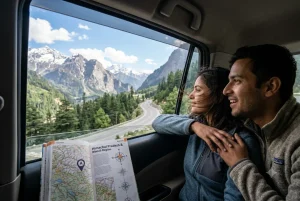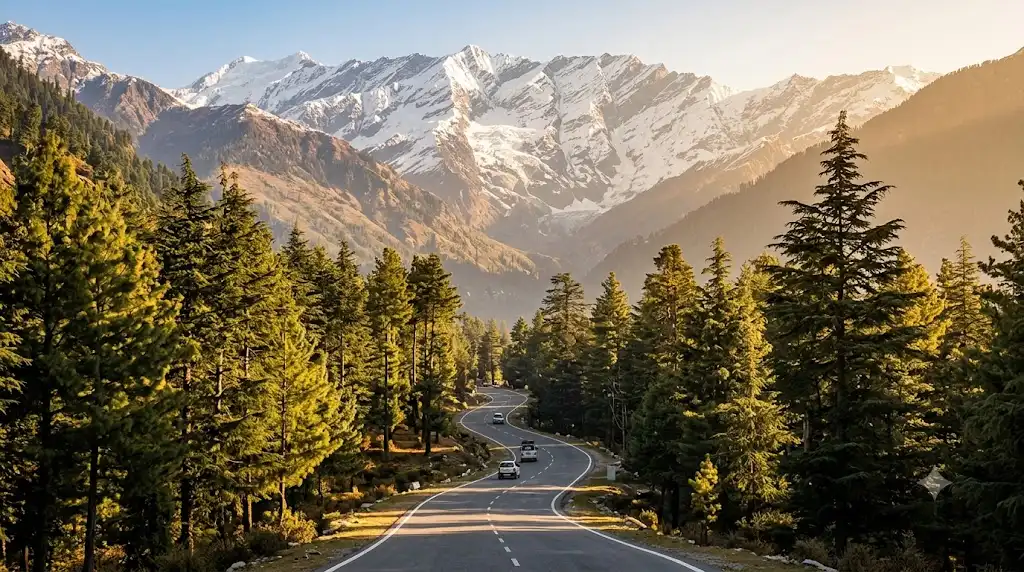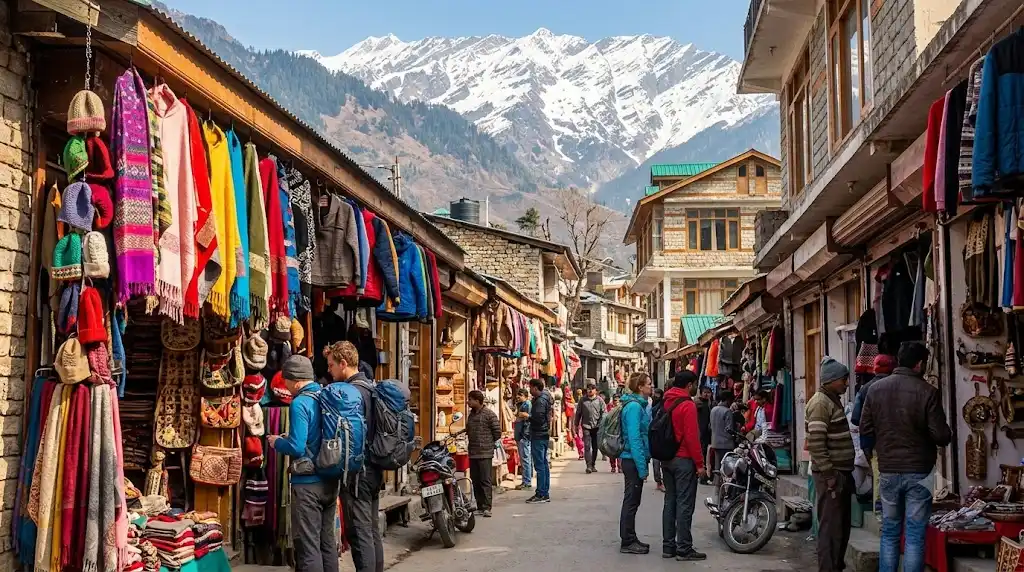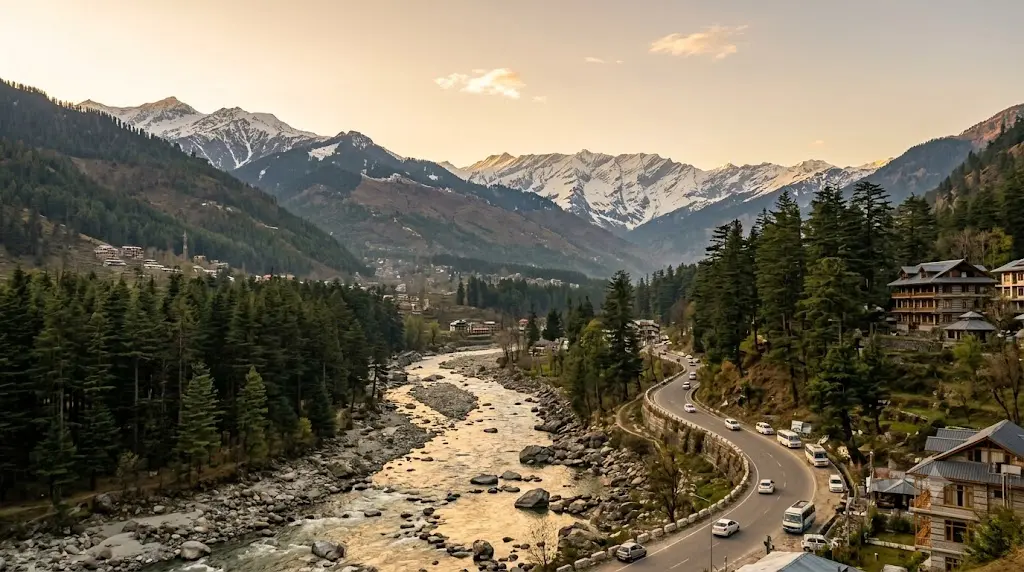
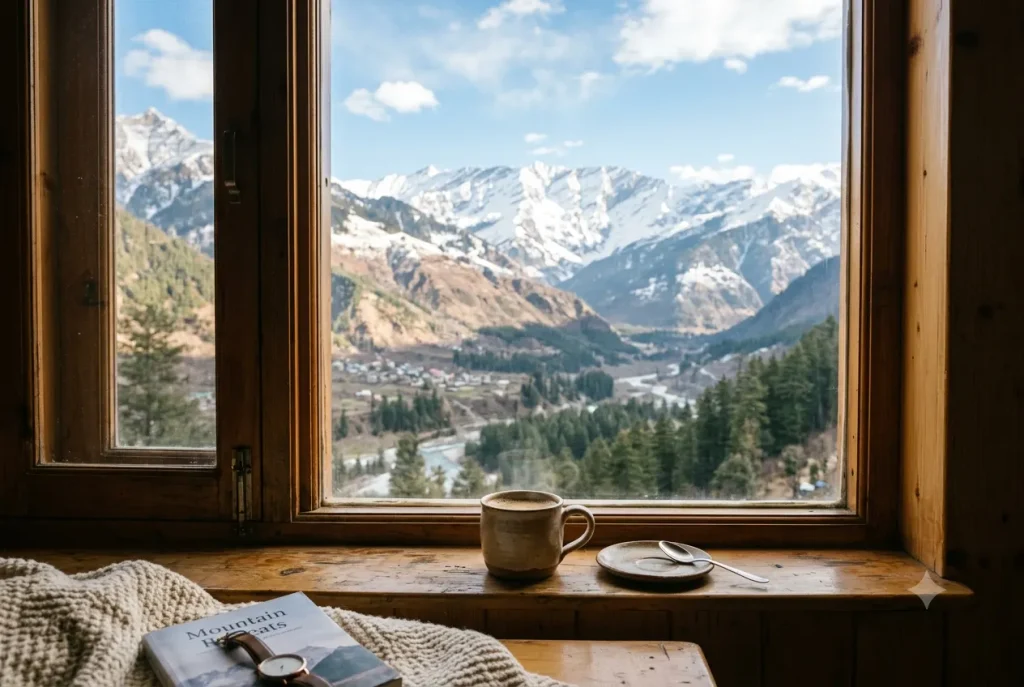
I still remember the first time I saw the Beas River from my hotel window in Manali – cold coffee in hand, mountains wrapped in mist, and absolutely zero desire to check my phone. If you’re planning a trip and typing “kullu manali best places” into Google at 1 am like I once did, this guide is basically everything I wish someone had told me before I packed my bags.
No fluff, no recycled listicle nonsense – just real places, real prices, and a few lessons I learned the hard way – the kind of honest, no-BS guides we try to put together at The Route Atlas.
Why Kullu Manali Still Tops Every Traveler’s List
Honestly, it’s the variety. One day you’re praying at a 500-year-old temple, the next you’re paragliding over a valley, and by evening you’re sipping chai in a café that looks like it belongs in the Alps. Among all the best places to visit in Kullu Manali, what struck me most is how compact the region is – you can cover a lot without spending half your day just travelling.
The peak season here runs from November to February and April to July, and honestly, both have their charm – one gives you snow, the other gives you blooming valleys.
Famous Tourist Places in Kullu Manali You Shouldn’t Skip
These are the spots that make it onto every itinerary, and for good reason.
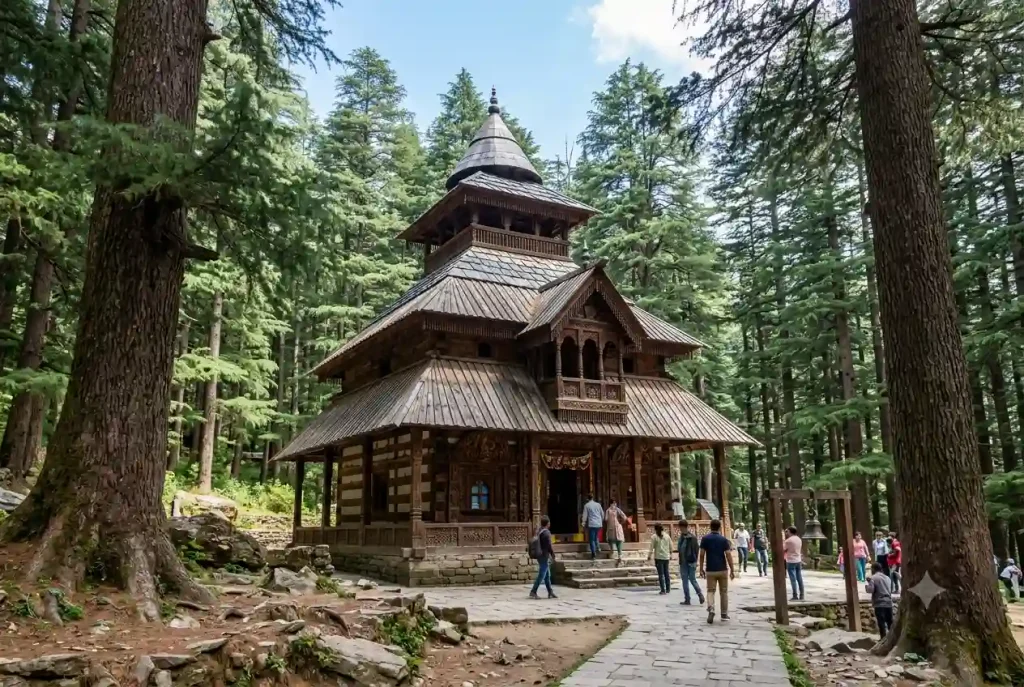
Hadimba Devi Temple – A 500-year-old wooden temple tucked inside a cedar forest. Go early morning before the tour buses arrive.
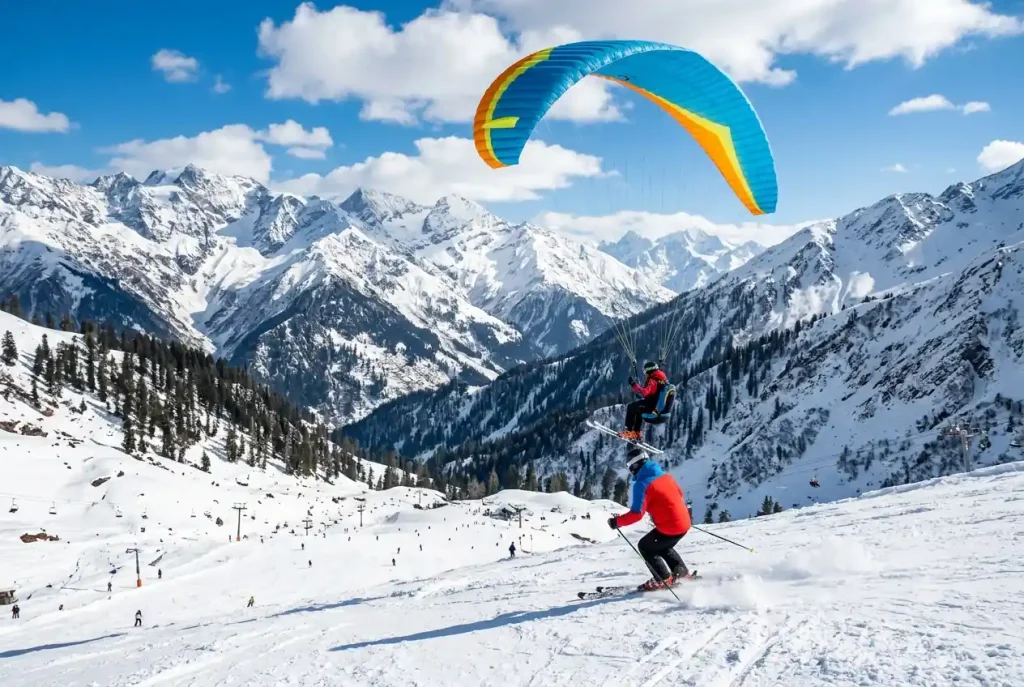
Solang Valley – Skiing in winter, paragliding and zorbing in summer. It’s touristy, yes, but the views genuinely deliver.
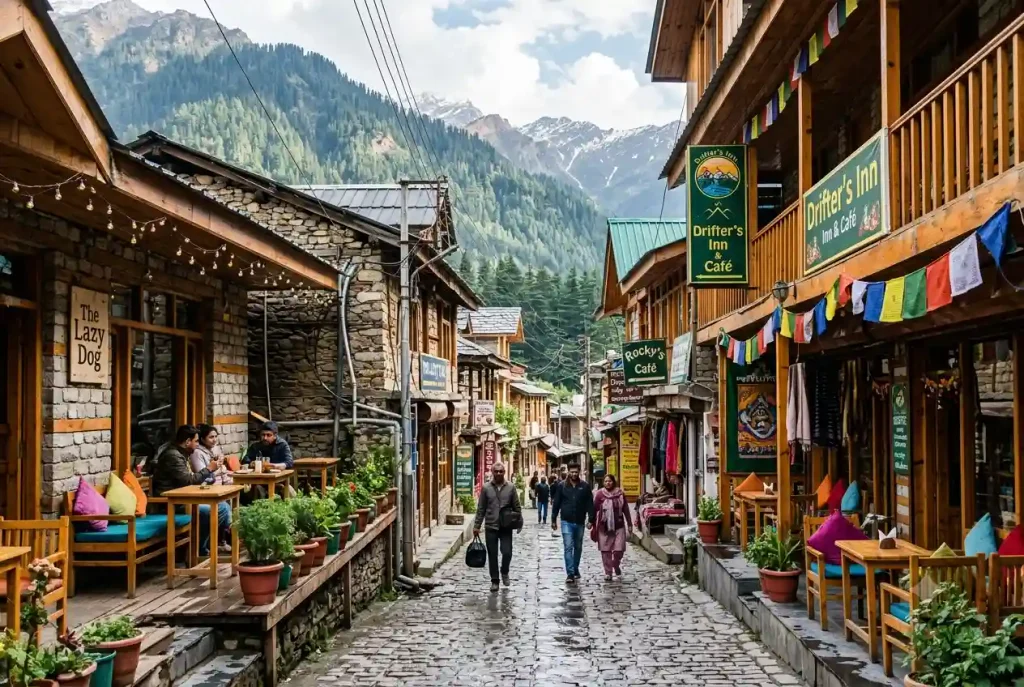
Old Manali – Quieter than the main market, full of cozy cafés and a laid-back, backpacker vibe.
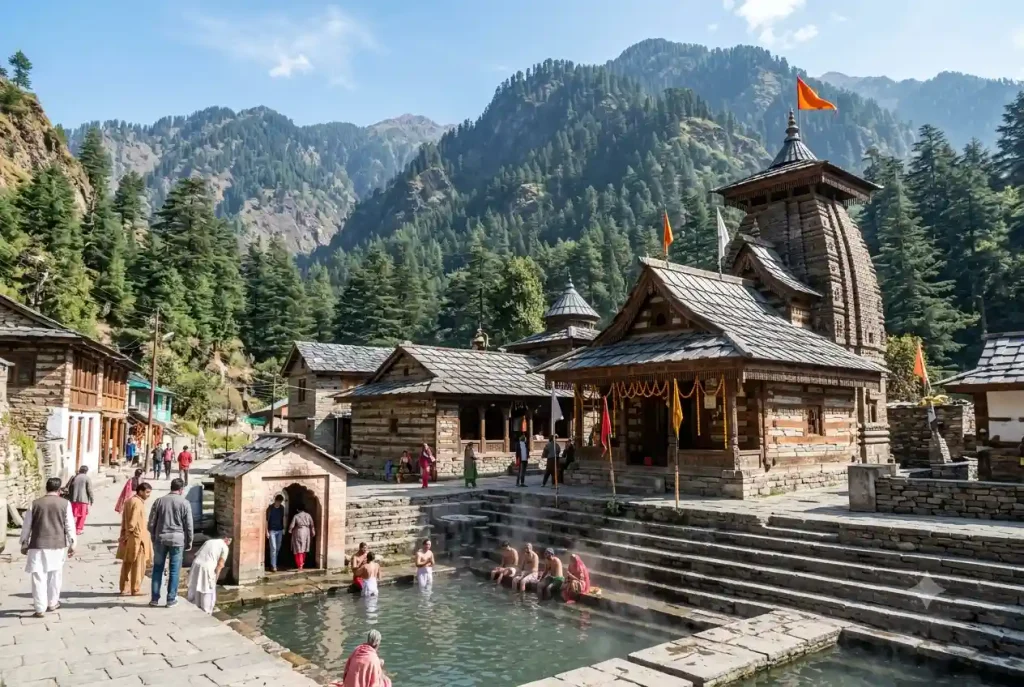
Vashisht Village & Hot Springs – A short walk from Manali, known for its natural hot water springs and old temple.
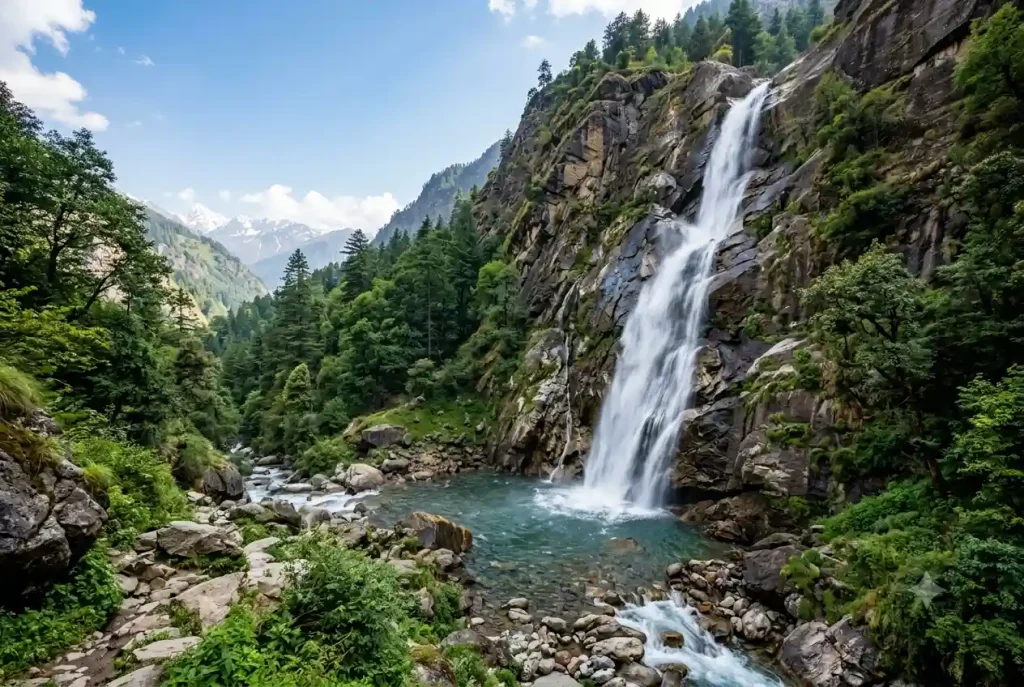
Jogini Waterfalls – Located in Vashisht village, it’s about 5 km from Manali city and drops from roughly 150 feet into a stream surrounded by greenery.
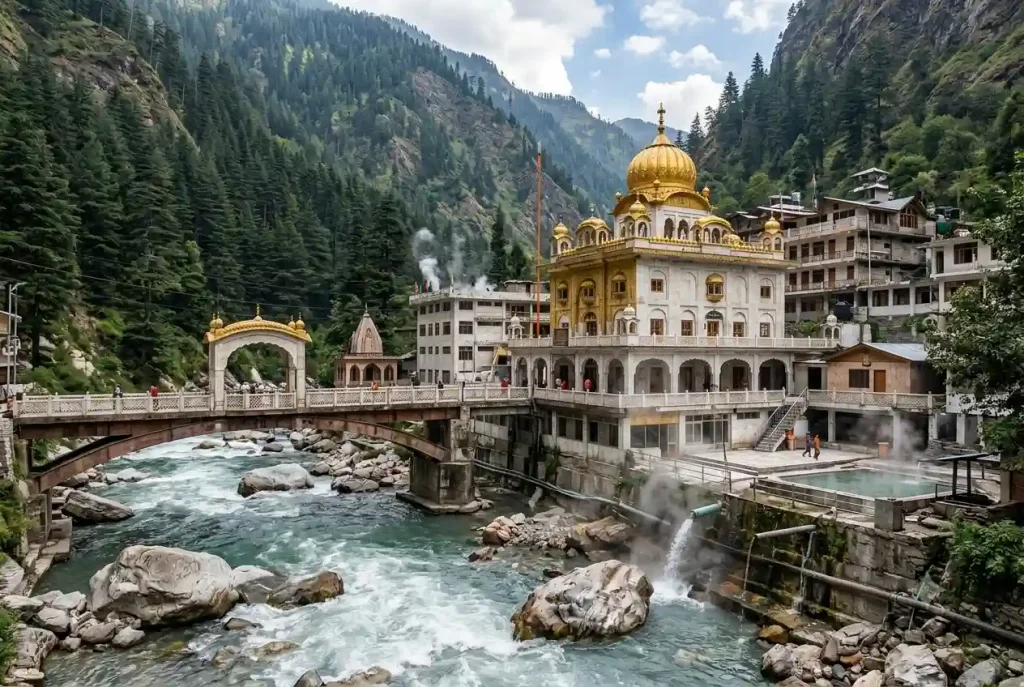
Manikaran Sahib – A Sikh and Hindu pilgrimage site around 90 minutes from Kullu, famous for its hot springs and langar.
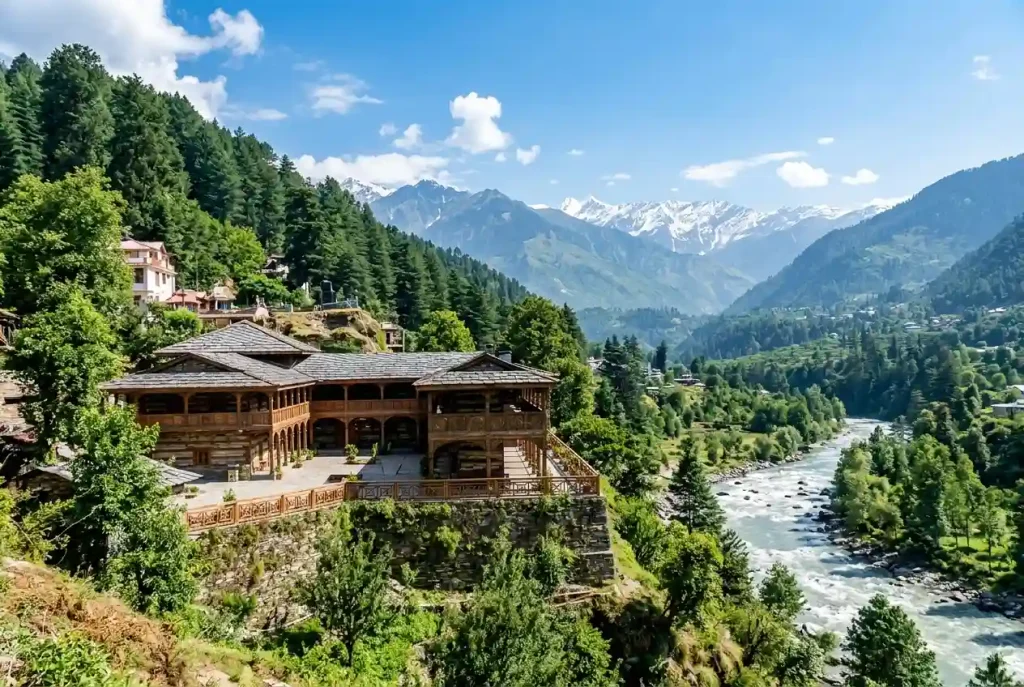
Naggar – The former capital of the Kullu Kingdom, home to the Roerich Art Gallery and a beautifully preserved wooden castle.
If you’re short on time, honestly, Hadimba Temple, Old Manali, and Solang Valley alone will give you a solid feel of the region.
Rohtang Pass – Worth the Hype, But Plan the Permit First
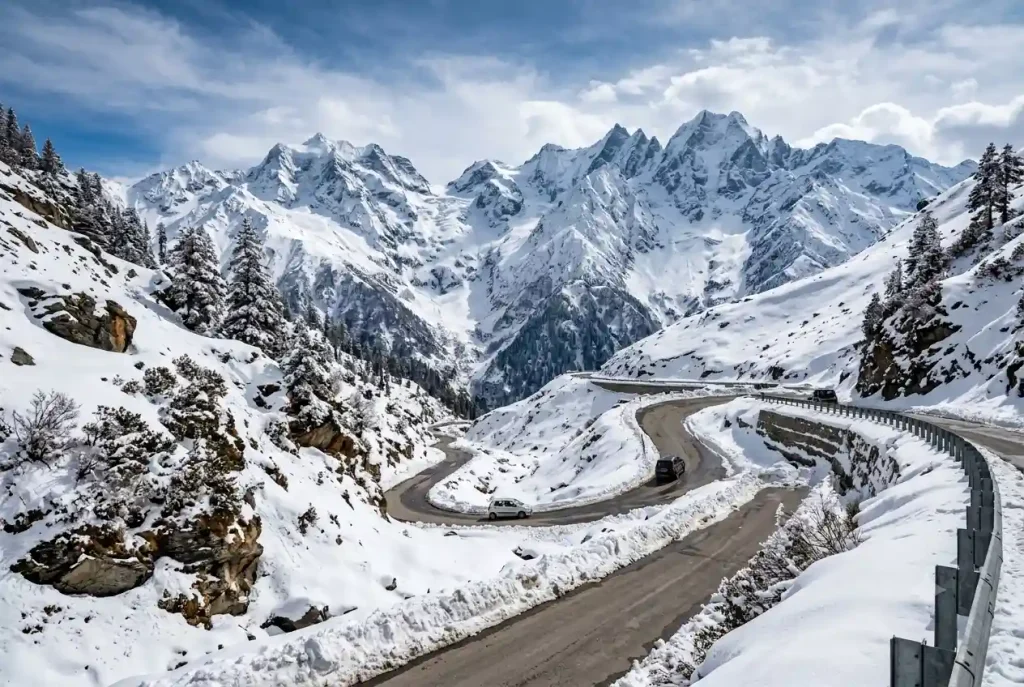
Rohtang Pass is one of the most talked-about famous tourist places in Kullu Manali, and for good reason – snowcapped peaks even in summer. But here’s what most blogs won’t tell you clearly:
- You need an online permit – no offline counters exist anymore.
- The tourism/sightseeing permit currently costs around ₹550 total for cars, jeeps and MUVs – a ₹500 permit fee plus a ₹50 congestion charge.
- The daily quota is split between petrol and diesel vehicles, released in two windows at 10 AM and 4 PM, and slots fill up fast.
- Permits are booked through the official government portal, and it’s valid for a single day, to and fro, with a mandatory printout.
My tip: book the moment the window opens, or just let your hotel/taxi operator handle it – most experienced local drivers already know the drill.
Tibetan Monastery Manali Timings (And Why It’s Worth an Hour)
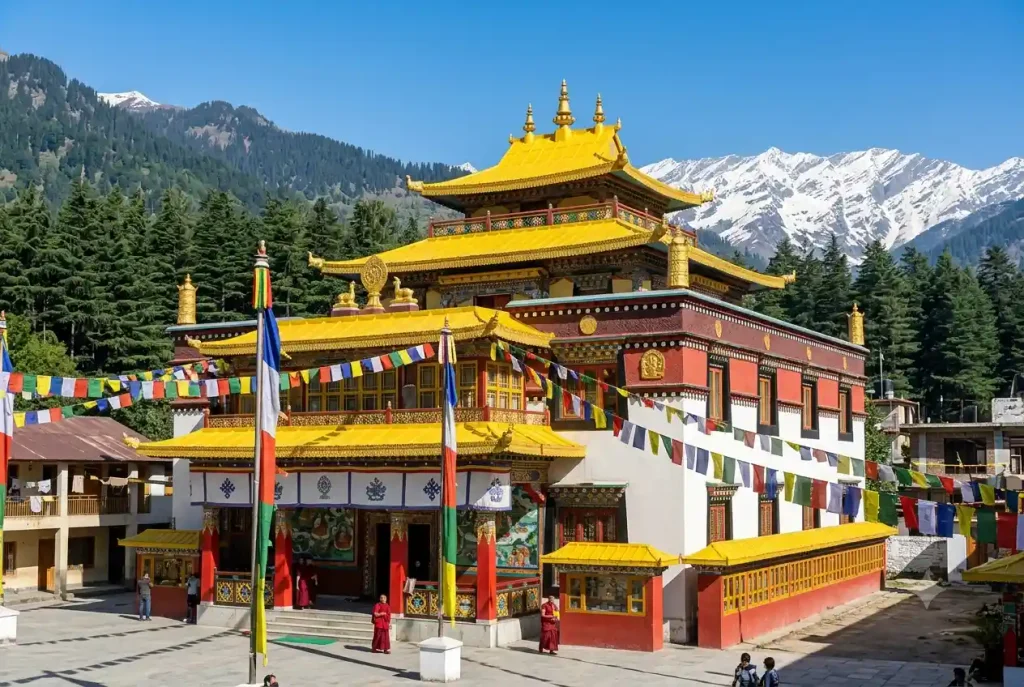
The Manali Gompa (Gadhan Thekchhokling Gompa) is one of my favourite quiet corners in town. It was built in 1960 by Tibetan refugees and has a genuinely peaceful, unhurried energy that’s rare in touristy Manali.
- Timings: 6 AM to 6 PM, open all days of the week
- Entry Fee: Free
- Best time to visit: Mornings and evenings, when monks and devotees are performing their rituals
There’s also the Himalayan Nyinmapa Tibetan Buddhist Monastery near Mall Road – smaller, but equally calm. It’s open daily from around 6 AM to 7 PM, entry is free, though photography inside sometimes needs a small ₹20 camera fee. Dress modestly and skip your shoes at the shrine.
Offbeat Places Near Manali (For When You’ve Had Enough Crowds)
If Solang Valley traffic jams have already worn you down, these offbeat places near Manali are worth the detour.
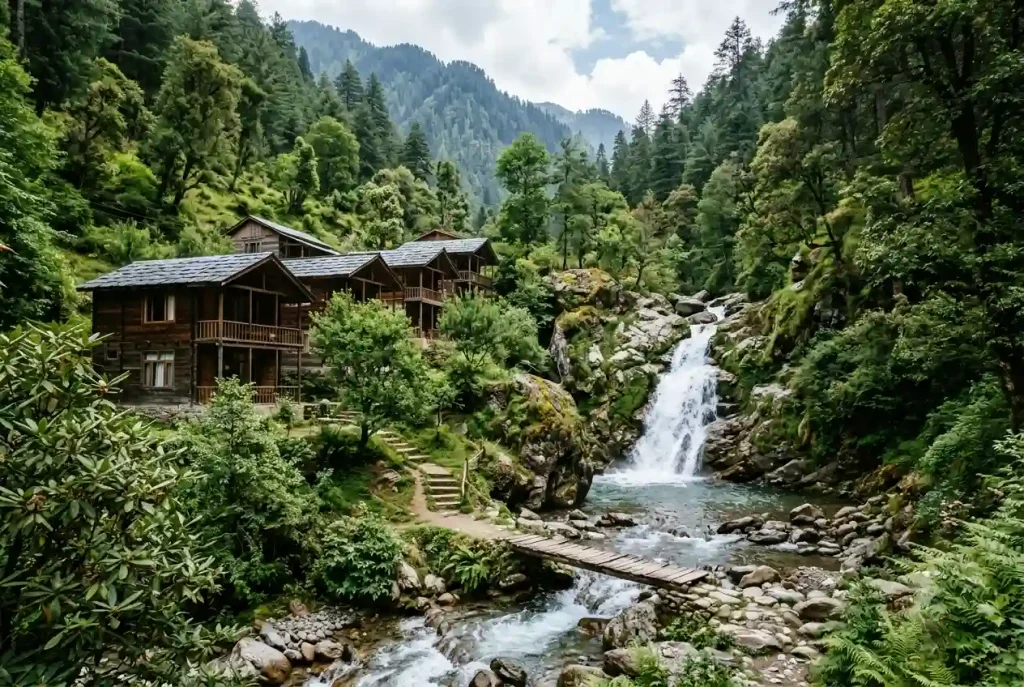
Jibhi – A sleepy village in Tirthan Valley with wooden cottages, waterfalls, and zero crowds. Roughly a 6-hour drive from Manali.
Tirthan Valley – Great for trout fishing, river crossings, and visiting the Great Himalayan National Park.
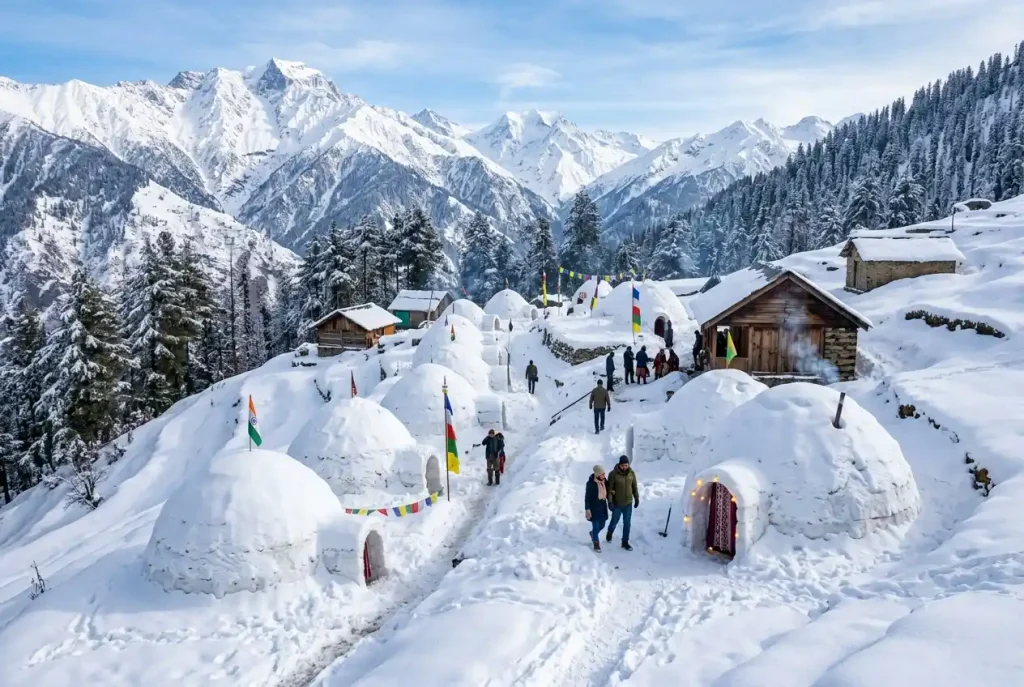
Sethan – Sits at around 2,600 m, known as the unofficial “igloo village” during winter snowfall.
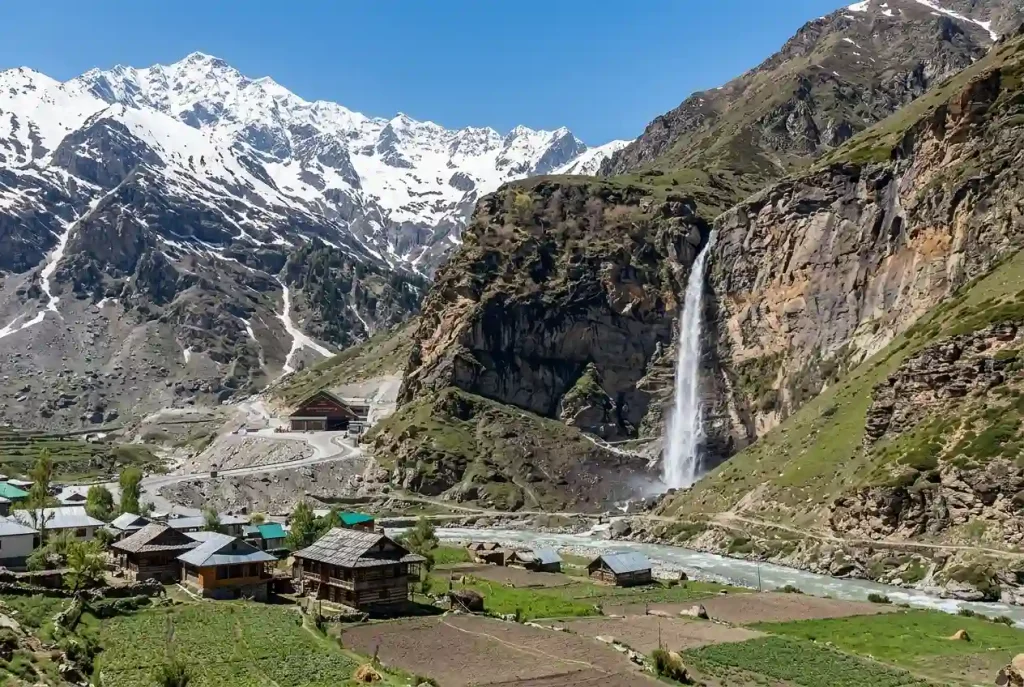
Sissu – In Lahaul Valley, easier to reach now thanks to the Atal Tunnel; gorgeous glacier and waterfall views.
Shangarh & Jalori Pass – Untouched Sainj Valley scenery, ideal if you genuinely want silence.
Pro tip: don’t try to cram both Jibhi and Sethan into one day trip – the roads are scenic but slow, and rushing kind of defeats the purpose of going offbeat in the first place.
Places Around Kullu Manali Worth a Day Trip
Beyond the obvious, a few places around Kullu Manali deserve a spot on your list if you have an extra day or two:
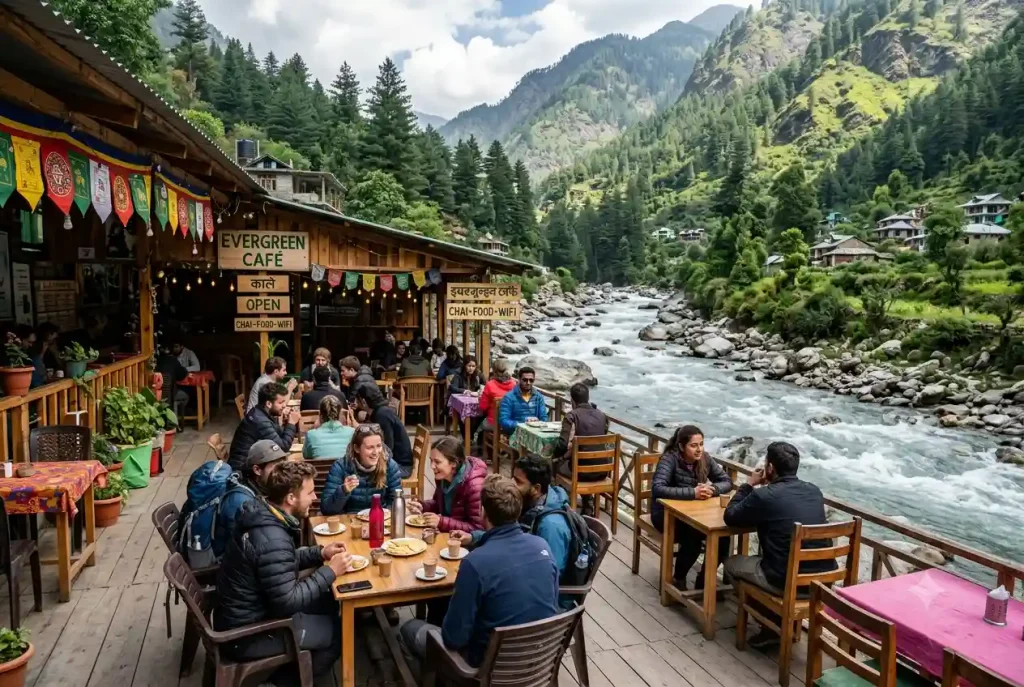
Kasol – A backpacker hub along the Parvati River, great cafés and easy day treks.
Malana – A culturally distinct village with its own customs – visit respectfully and check current access rules before heading up.
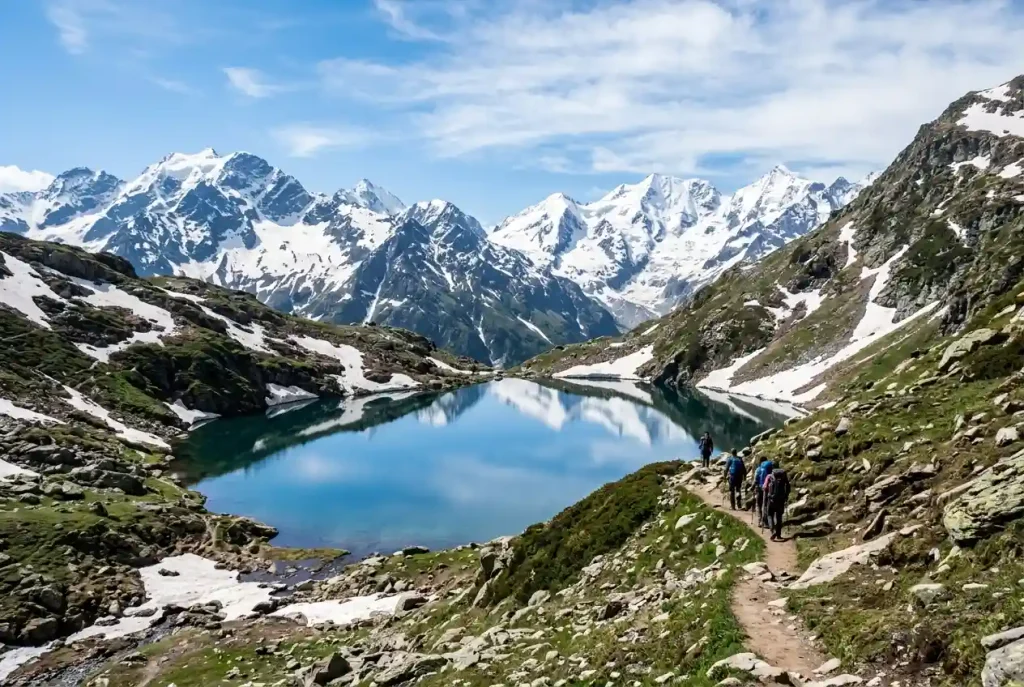
Bhrigu Lake – A moderate trek that rewards you with a stunning glacial lake, best done from May to June.
Great Himalayan National Park – A UNESCO World Heritage site near Tirthan, perfect for nature lovers.
Best Hill Station Near Manali for a Quick Escape
If you want a genuine hill station near Manali without the tourist chaos, Naggar and Jibhi both fit the bill perfectly – think apple orchards, quiet cafés, and views that don’t come with a queue.
Where to Stay – Budget to Luxury
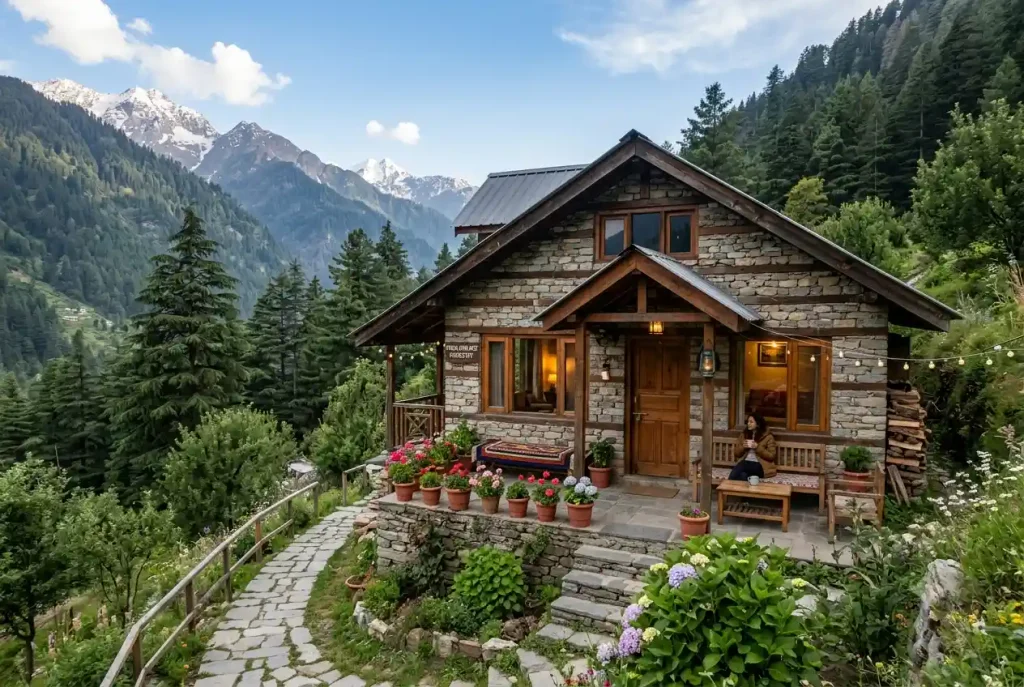
- Budget (₹800–₹1,800/night): Hostels and guesthouses in Old Manali – great for solo travellers and backpackers.
- Mid-range (₹2,500–₹5,000/night): Cottages and boutique hotels around Vashisht, Naggar, or main Manali market.
- Luxury (₹6,000 and above/night): Riverside resorts and premium properties around Manali offering mountain views and full-service dining.
I’d honestly recommend splitting your stay – one night in Manali town for convenience, and one night somewhere offbeat like Jibhi or Naggar for the quieter experience.
What to Eat in Kullu Manali
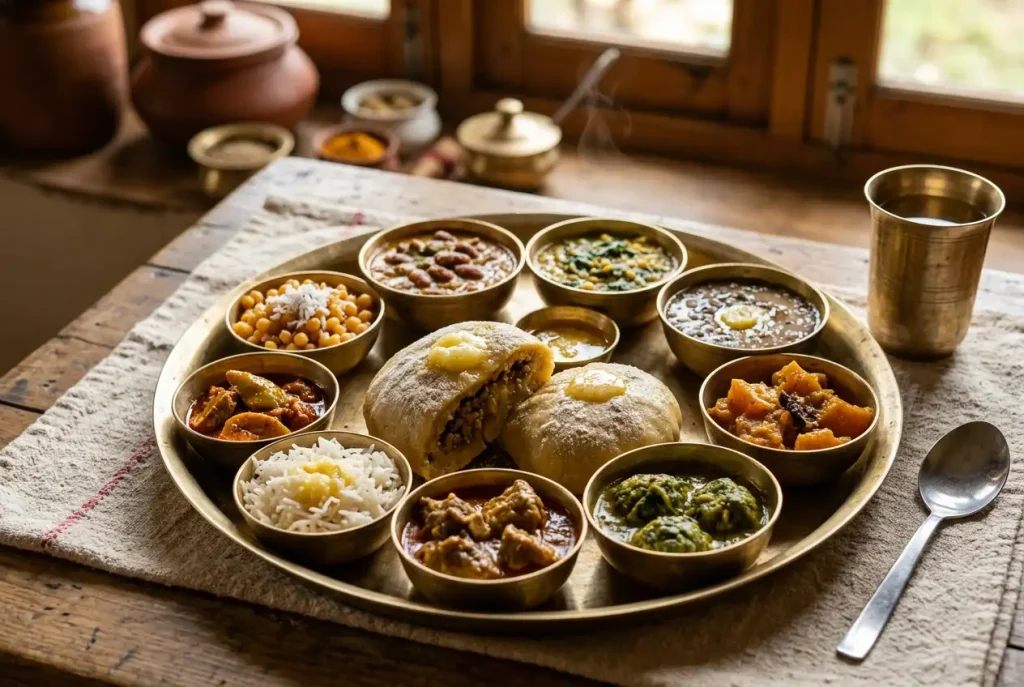
You can’t leave without trying:
- Siddu – A steamed, stuffed bread that’s a local specialty, best with ghee and chutney.
- Trout Fish – Freshly caught, especially good around Tirthan Valley.
- Himachali Dham – A traditional feast served on special occasions, usually rice, dal, rajma, and curd-based dishes.
- Momos & Thukpa – Thanks to the strong Tibetan influence, you’ll find some of the best momos here.
- Israeli and Italian food – Old Manali cafés surprisingly do a great job with this, if you need a break from local food.
Approximate Budget for a Kullu Manali Trip
For a 4–5 day trip covering the main sights plus one offbeat destination, budget roughly:
- Backpacker style: ₹6,000–₹9,000 per person (hostels, shared cabs, local food)
- Mid-range trip: ₹12,000–₹18,000 per person (private stays, some paid activities)
- Comfortable/luxury: ₹25,000 and above per person
These are approximate figures – always check current rates before booking, especially during peak season when prices climb fast.
How to Reach Kullu Manali
- By Air: Bhuntar Airport, also known as Kullu-Manali Airport, is the nearest domestic airport, located around 10 km from Kullu city and roughly 50 km from Manali.
- By Train: Joginder Nagar is the closest railway station, situated around 125 km away. Most travellers actually take the train to Chandigarh or Delhi and then a road journey.
- By Road: Regular deluxe and Volvo buses run from Delhi, Chandigarh, Pathankot, and Shimla via Himachal Pradesh Tourism Development Corporation. Self-driving is also popular, with Manali being roughly 12–14 hours from Delhi depending on traffic.
Best Time to Visit Kullu Manali
The ideal window is generally November to February for snow, and April to July for pleasant weather and blooming valleys. If Rohtang Pass or high-altitude spots are on your list, aim for May–June or September–October when roads are usually clearer.
Final Thoughts
Kullu Manali isn’t a “tick the checklist and leave” kind of place – it genuinely rewards you for slowing down. Whether you’re chasing the famous tourist places in Kullu Manali or hunting for offbeat corners like Jibhi and Sethan, there’s something here for every kind of traveller.
If this guide helped you plan even a little, save it for later, and if you’ve already been, drop your favourite spot in the comments – I’m always adding new places to my next itinerary.
Frequently Asked Questions
1. What are the best places to visit in Kullu Manali for a first-time traveller?
Hadimba Temple, Old Manali, Solang Valley, Vashisht, and Manali Gompa cover the essentials well within 3 – 4 days.
2. What is the best time to visit Kullu Manali?
Generally November to February for snow lovers, and April to July for pleasant weather – both are considered peak seasons.
3. Do I need a permit for Rohtang Pass?
Yes, an online permit is mandatory, costing approximately ₹550 for cars and jeeps, booked through the official government portal.
4. What are some offbeat places near Manali?
Jibhi, Tirthan Valley, Sethan, Sissu, and Shangarh are popular offbeat choices away from the usual crowds.
5. Is the Tibetan monastery in Manali free to visit?
Yes, both the Manali Gompa and the Himalayan Nyinmapa Monastery are free to enter, though donations are welcomed.