If you’ve been stuck scrolling through fifty different tabs trying to figure out how to plan a Manali trip – pull up a chair. I’ve been to Manali more times than I can count on both hands, and every single time this little Himachal town in the mountains manages to surprise me. This Manali travel guide is basically everything I wish someone had handed me before my very first trip – no fluff, no guesswork, just real, tested info.
Whether you’re a solo backpacker, planning a honeymoon, or dragging your whole family along, stick around. By the end of this guide, you’ll know exactly when to go, how to get there, where to crash, what to eat, and how much it’s all going to cost you.
Why Visit Manali? Is It Actually Worth It?
Let me answer this straight up – yes, Manali is absolutely worth visiting, and not just because Instagram says so. It’s one of the rare places in India where you get snow-capped peaks, pine forests, adventure sports, cozy cafes, and old-world temples all packed into one town.
What I love most is how flexible it is. Want an adrenaline rush? Head to Solang Valley. Want to do nothing but sip coffee by the river? Old Manali has you covered. It genuinely works for couples, families, solo travellers, and friend groups equally well – which is rare for a hill station.
Best Time to Visit Manali
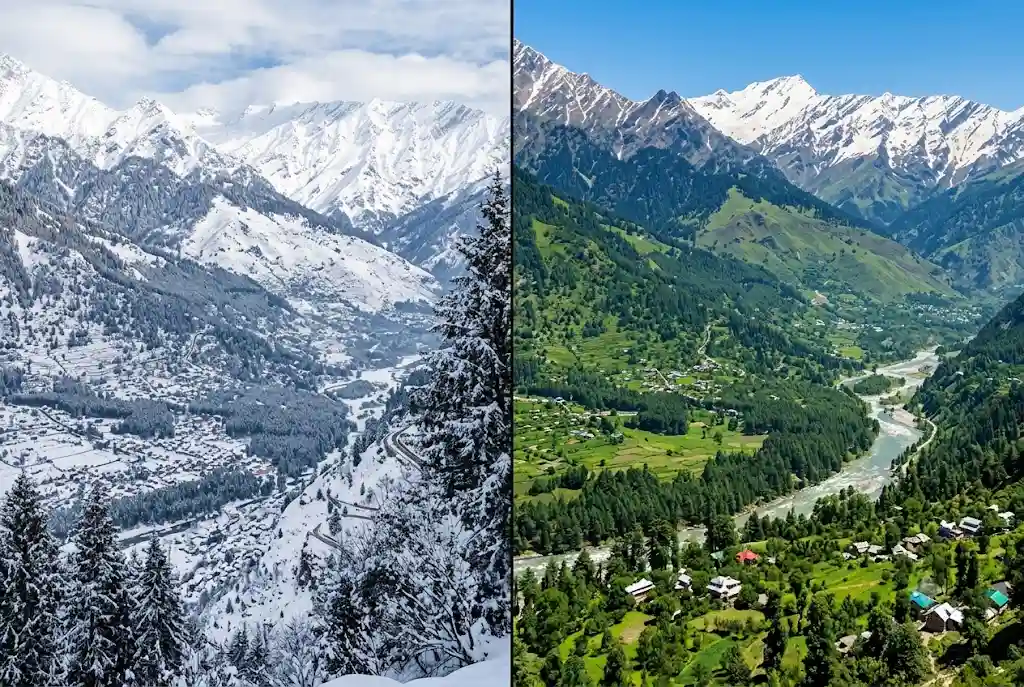
This is probably the most searched question, and honestly, the answer depends on what kind of trip you’re after.
- March to June – Pleasant weather, blooming valleys, and open roads. Best for sightseeing and families.
- December to February – Snowfall season. If you’re chasing snow, this is your window, though temperatures can dip below 0°C.
- October to November – My personal favourite. Fewer crowds, clear skies, and noticeably lower hotel prices.
- July to August – Monsoon. Manali stays green and beautiful, but landslides on the highway are a real risk, so I’d avoid this window unless you have flexible dates.
Pro tip from experience: if snow is your main goal, aim for January – that’s usually when Manali sees the heaviest and most reliable snowfall.
How to Reach Manali
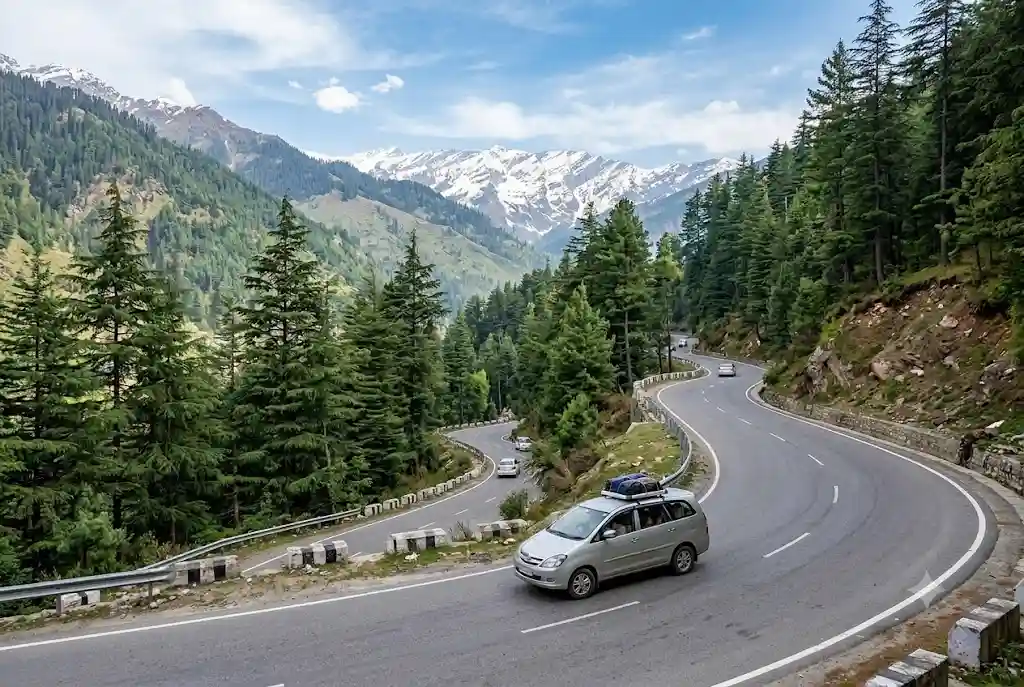
There are three practical ways to get here, and each has its own trade-offs.
By Air: The nearest airport is Bhuntar (Kullu-Manali Airport), roughly 50 km from Manali town. From there, a taxi takes about 90 minutes and costs approximately ₹1,500–₹2,000 depending on the season.
By Train: There’s no direct railhead in Manali. The closest major stations are Chandigarh or Ambala, and you’ll need to continue by road from there.
By Road: This is the most popular option, especially from Delhi. It’s about a 550 km drive, taking roughly 12–14 hours by car or overnight Volvo bus. Most people leave Delhi in the evening and reach Manali the next morning – it’s a bit of a haul, but the last stretch through the mountains makes it worth it.
Top Places to Visit in Manali
No Manali tourist guide is complete without a proper places-to-visit list, so here’s mine, based on actual visits:
- Old Manali – Bohemian cafes, riverside walks, and a laid-back hippie vibe. My favourite spot to just unwind.
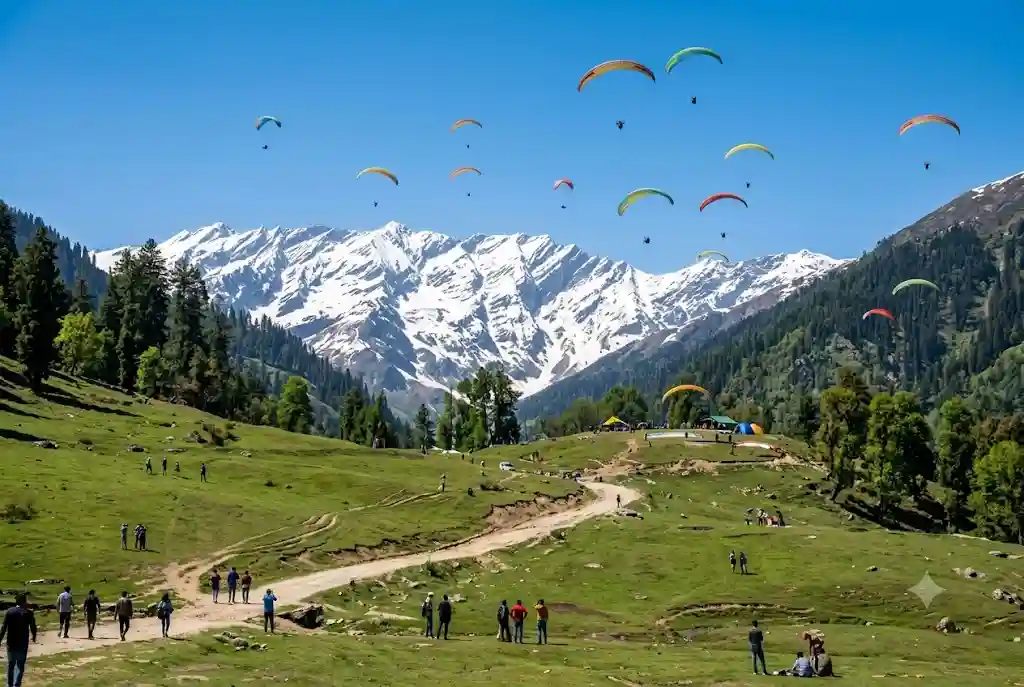
- Solang Valley – The adventure hub. Paragliding, zorbing, and (in winter) skiing.
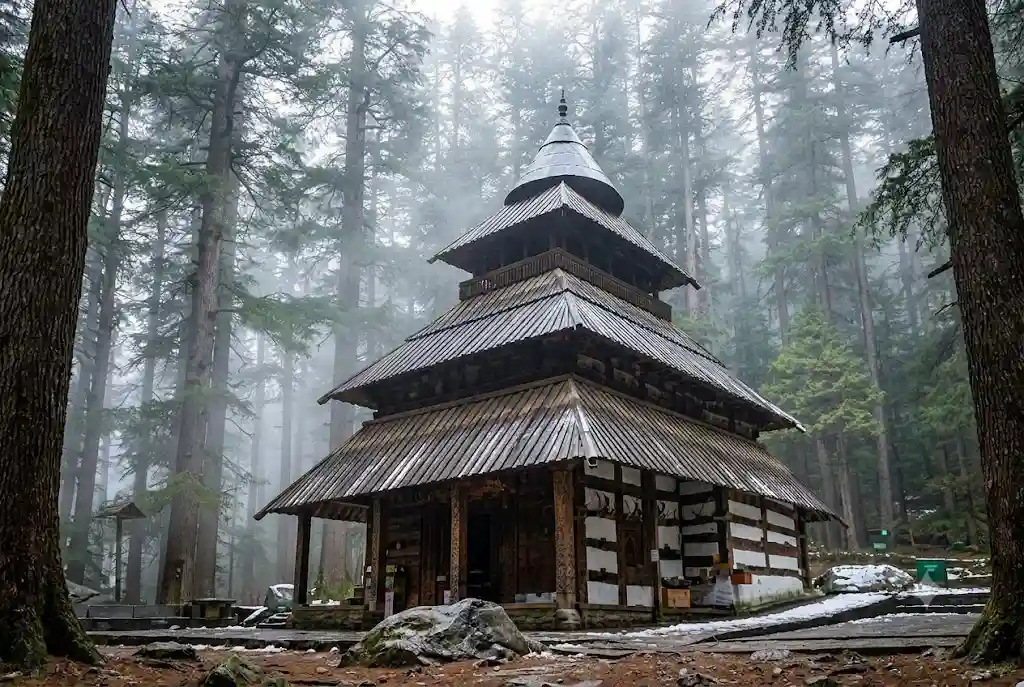
- Hadimba Temple – A peaceful, centuries-old wooden temple surrounded by cedar forest.
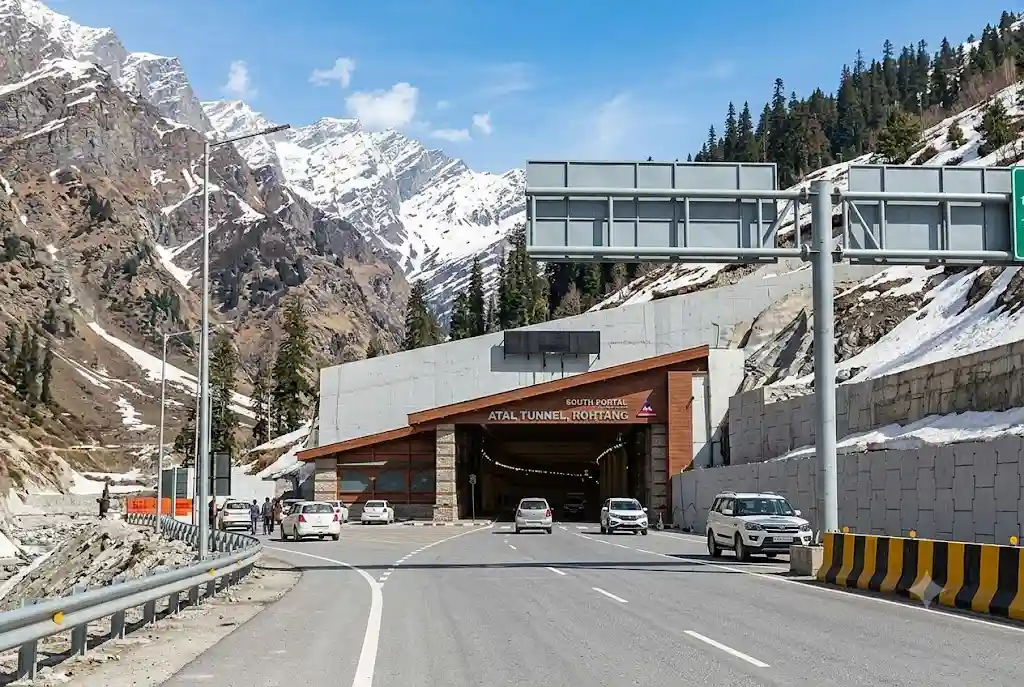
- Atal Tunnel & Sissu – A quick drive through Asia’s longest high-altitude tunnel into the quieter, almost Tibetan-feeling Lahaul valley.
- Vashisht Hot Springs – Natural sulphur springs, great after a long day of sightseeing.
- Jogini Waterfall – A short, scenic trek that rewards you with a lovely cascade.
- Rohtang Pass – Dramatic snow views, though it needs a permit (more on that below).
Where to Stay in Manali – Budget to Luxury
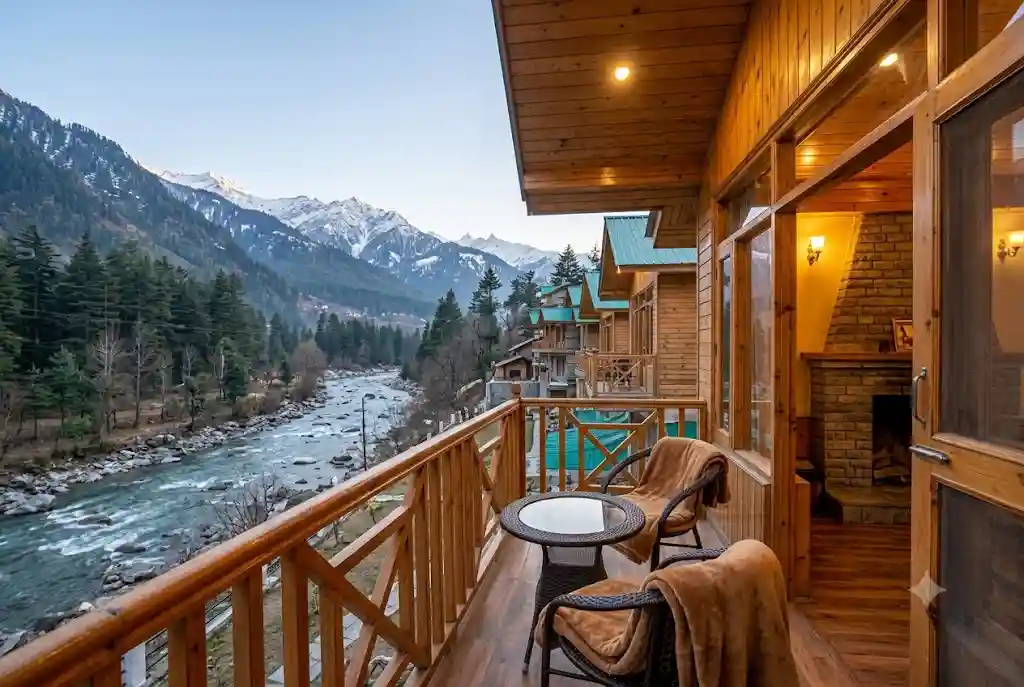
Manali genuinely has something for every budget, which makes it easy for trip planning.
- Budget stays (₹800–₹3,000/night): Hostels and guesthouses, especially around Old Manali. Great for backpackers and solo travellers.
- Mid-range hotels (₹3,000–₹7,000/night): Comfortable rooms with good amenities – my usual pick for a family trip.
- Luxury resorts (₹8,000 and above/night): Riverside resorts with spas, mountain views, and the works, mostly along the Beas river or towards Naggar.
One tip I always give friends: if you want the quieter, cafe-hopping experience, book in Old Manali. If you want easy access to markets and transport, stick to Manali town/Mall Road.
What to Eat in Manali – Local Food You Must Try
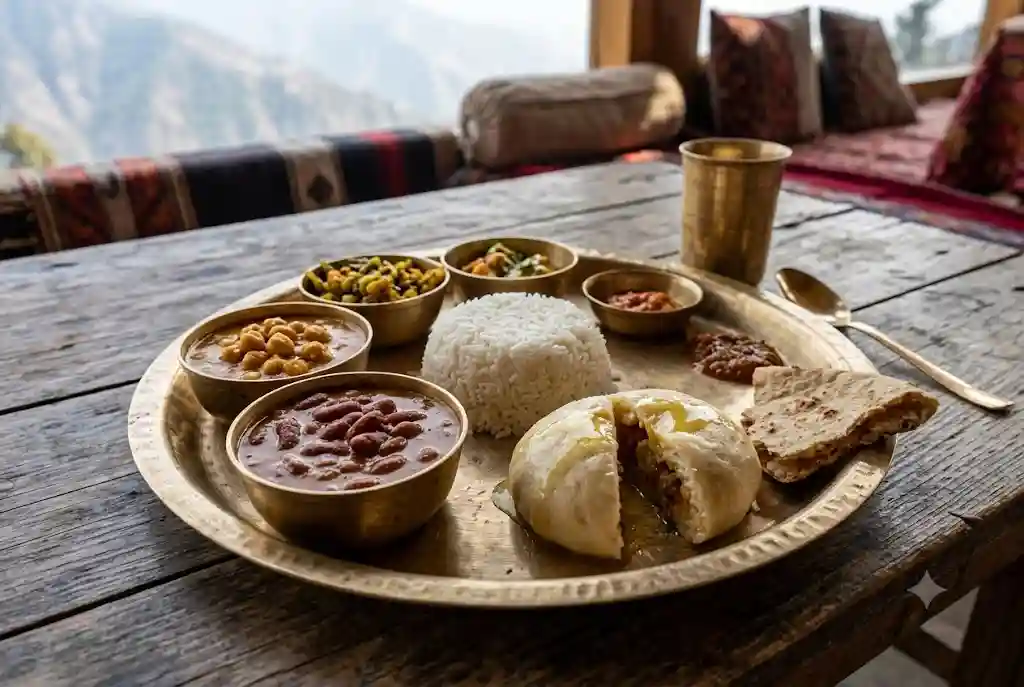
This is the part I get most excited about, honestly.
- Siddu – A steamed Himachali bread stuffed with poppy seeds or walnuts, served with ghee. A total must-try.
- Trout Fish – Freshly caught from local streams, usually grilled or fried. You’ll find it at several riverside cafes.
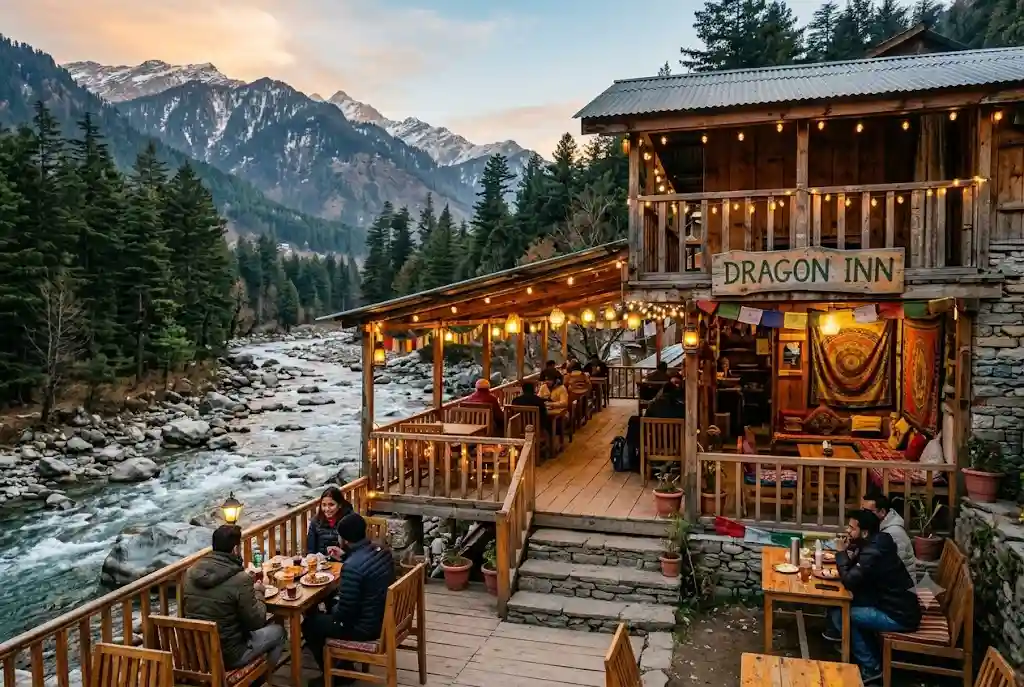
- Thukpa & Momos – Old Manali is full of Tibetan cafes doing these really well.
- Himachali Dham – A traditional festive thali with rajma, madra, and rice, usually available at local dhabas.
- Israeli food – Sounds random, but Old Manali has a surprising number of solid Israeli cafes thanks to the backpacker crowd.
Manali Trip Budget – How Much Does It Cost
Budgeting is where most people go wrong, so here’s an honest, approximate breakdown for a 5-day trip per person:
- Budget travellers: Around ₹8,000–₹13,000
- Mid-range travellers: Around ₹15,000–₹20,000
- Luxury travellers: ₹25,000 and above
This usually covers transport, stay, meals, and a couple of activities. Adventure sports like paragliding (₹1,500–₹3,500) or river rafting (₹700–₹1,500) are typically extra, so factor those in separately if you’re planning to do them.
Permits & Recent Updates You Should Know
This is where a lot of first-time visitors get caught off guard, so pay attention here.
- Rohtang Pass Permit: Required only if you’re driving the actual Rohtang Pass road. The fee is approximately ₹550 per vehicle (permit + congestion charge), and it’s closed every Tuesday for maintenance.
- Atal Tunnel: No permit needed here – it’s open 24×7 and is actually the faster route to Sissu and Lahaul Valley.
- e-Aagman Registration: If you’re heading into Lahaul-Spiti by vehicle, you’ll need this separate e-pass – it’s not the same as the Rohtang permit.
- State Toll & Green Tax: Expect to pay a small entry toll (around ₹100) plus a green tax when entering Himachal by private vehicle.
Always double-check the latest update on the official Himachal tourism or Rohtang permit portal before your trip, since fees and quotas do get revised from time to time.
How Many Days Are Enough for Manali?
I get asked this constantly, and my honest answer: 4 to 5 days is the sweet spot.
- 2 days – Enough only for Old Manali, Hadimba Temple, and Mall Road. Feels rushed.
- 4–5 days – Lets you cover Solang Valley, Rohtang or Atal Tunnel-Sissu, and still have a relaxed day for cafes and short treks.
- 7+ days – Ideal if you want to extend towards Kasol, Manikaran, or even Spiti Valley.
If this is your first Manali trip, I’d genuinely recommend not rushing it – this town rewards slow mornings and unplanned wandering just as much as sightseeing.
Final Tips for First-Time Visitors to Manali
- Book your stay in advance during peak season (May–June and Dec–Jan) – hotel occupancy can hit 80–90%.
- Carry warm layers even in summer; mountain evenings get chilly fast.
- Keep your vehicle documents (RC, PUC, ID) handy if you’re self-driving – permit rejections are usually due to missing paperwork.
- Don’t skip travel insurance if you’re doing adventure activities.
Wrapping It Up
At the end of the day, Manali isn’t just another hill station tick-off-the-list destination – it’s the kind of place that pulls you back again and again. Whether it’s your first trip or your fifth, there’s always a new cafe, trail, or view waiting to be discovered.
If this Manali travel guide helped you sort out your plans, I’d love for you to explore more detailed guides on The Route Atlas – from Old Manali cafe-hopping trails to a full breakdown of the Manali-to-Spiti road trip, we’ve got you covered for whatever comes next on your Himachal journey.
Frequently Asked Questions
1. How many days are enough for Manali?
4 to 5 days is ideal for a relaxed trip covering the main attractions, adventure activities, and some free time to explore Old Manali.
2. Is Manali worth visiting for first-time travellers?
Yes, definitely. Manali offers a good mix of nature, adventure, food, and culture, making it beginner-friendly and enjoyable for almost every kind of traveller.
3. What is the best time to visit Manali?
March to June is best for pleasant weather and sightseeing, while December to February is ideal if you specifically want snowfall.
4. Do I need a permit to visit Manali?
You don’t need a permit to enter Manali itself. Permits are only required for specific routes like Rohtang Pass or entry into Lahaul-Spiti district.
5. What is the approximate budget for a Manali trip?
A 5-day trip can range from approximately ₹8,000 for budget travellers to ₹25,000+ for a luxury experience, depending on stay and activities chosen.