Picture this: you’ve reached Manali, the weather is perfect, and you’re excited for snow at 13,000 feet. Then someone mentions you can’t just drive up, and your plan wobbles. Without a Rohtang Pass permit, your vehicle gets turned back at the Gulaba checkpoint.
I’ve seen people lose an entire day to this, so I’m writing the guide I wish I’d had. Whether you’re taking a taxi or your own car, here’s exactly how it works, what it costs and where people slip up. Quick note: the rules here are based on the latest information I could verify, but permit systems change, so always confirm on the official portal before you pay.
Why Do You Even Need a Rohtang Pass Permit?
Rohtang is a fragile high-altitude area, and the National Green Tribunal (NGT) capped the number of vehicles allowed there each day. The permit system is how that cap is enforced.
The permit is issued per vehicle, not per person. One permit covers the car and everyone inside it. If you’re in a taxi, the driver or operator usually handles it, but ask before you book.
Rohtang Pass Permit Cost: What You’ll Actually Pay
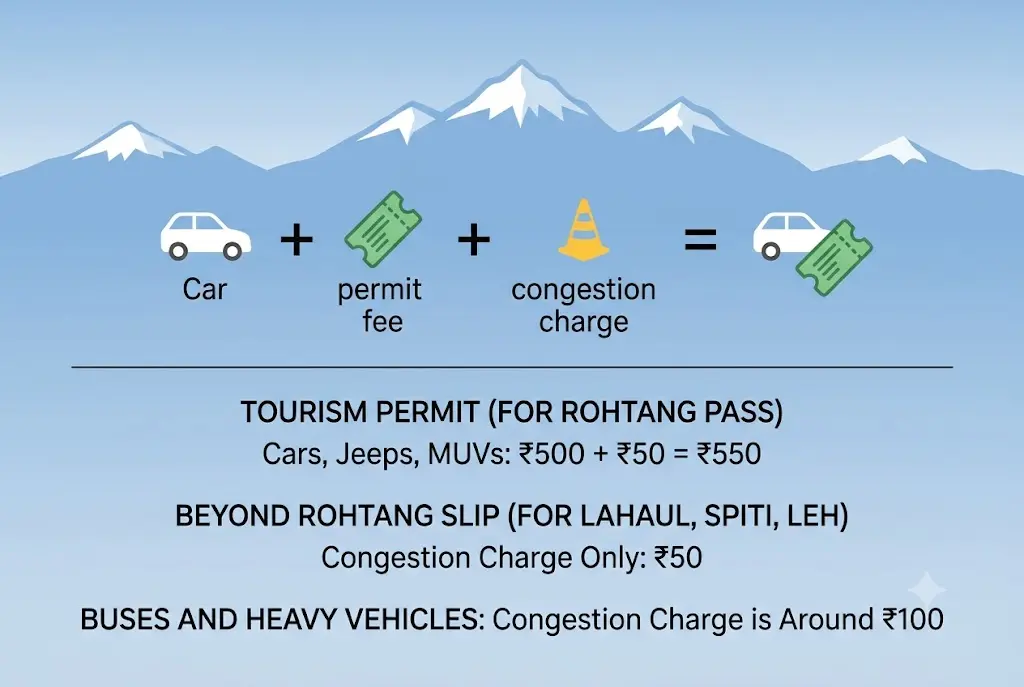
This is the question I get asked most, so here are the numbers as per the latest official structure:
- Tourism permit (cars, jeeps, MUVs): ₹500 permit fee + ₹50 congestion charge = ₹550 total
- Beyond Rohtang slip (heading to Lahaul, Spiti or Leh): ₹50 congestion charge only
- Buses and heavy vehicles: a higher congestion charge, around ₹100
The fee is per vehicle, so a full car of six people pays the same as a solo traveller. It’s also non-refundable in most cases, so lock your dates before paying.
Types of Rohtang Pass Permits (Pick the Right One)
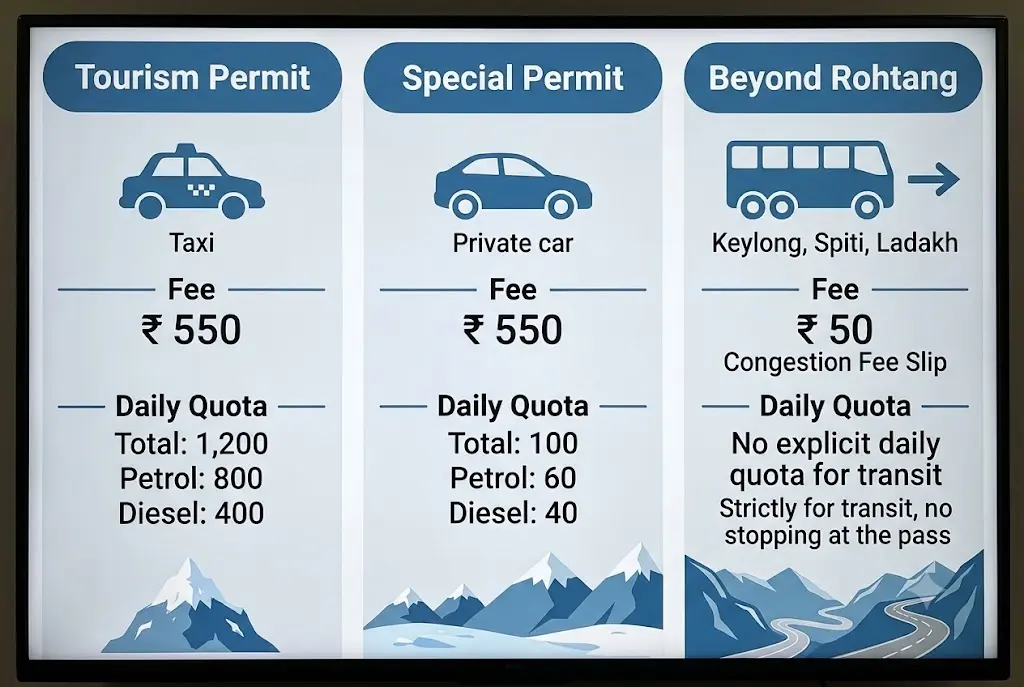
Choosing the wrong category is the most common mistake I see. The portal currently offers these:
1. Tourism Permit
For visiting Rohtang and returning to Manali the same day. This is what most taxi operators book. The daily quota is 800 petrol and 400 diesel vehicles, 1,200 in total.
2. Special Rohtang Pass Permit
This is the Rohtang Pass vehicle permit meant for private, non-commercial vehicles registered outside Kullu district, so it’s your category if you’re self-driving. The quota is tiny, around 60 petrol and 40 diesel vehicles per day, so book early.
3. Beyond Rohtang (Congestion Fee Slip)
For people driving through the pass toward Keylong, Spiti or Ladakh. This one is for transit, not for stopping at the top for photos.
How to Get a Rohtang Pass Permit Online (Step by Step)
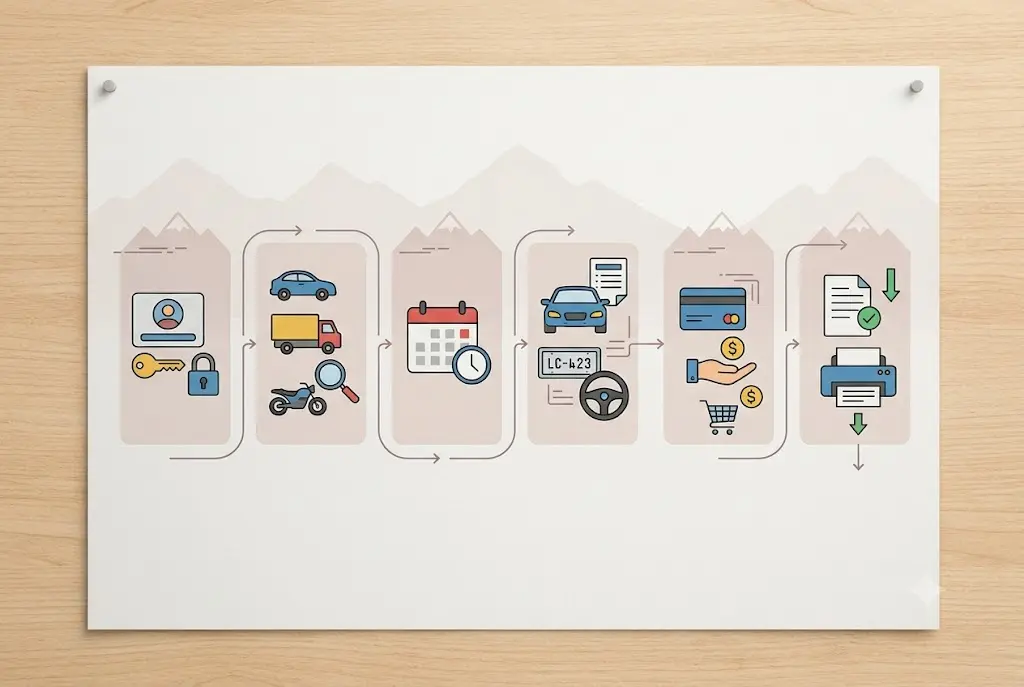
Booking is online only, and the official portal is rohtangpermits.hp.gov.in. The older rohtangpermits.nic.in address has been retired, so if a blog sends you there, it’s out of date.
Here’s the process:
- Open the official portal and register or log in with your mobile number.
- Select the permit type: Rohtang Pass or Special Rohtang Pass.
- Choose your travel date and check availability.
- Enter your vehicle number, driver details and passenger details.
- Pay online using UPI, card or net banking.
- Download and print the permit. You’ll need the printout at the checkpoint.
Rohtang Pass Permit Booking Timings (The Part Everyone Gets Wrong)
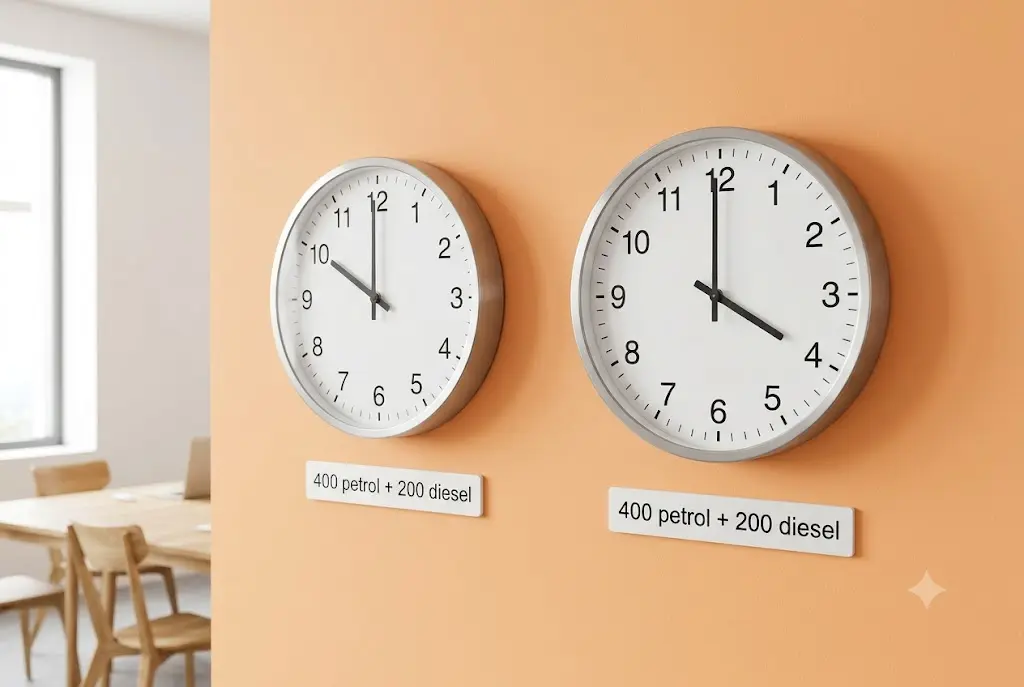
Permits are released in two windows each day: 10:00 AM and 4:00 PM. Each release holds roughly 400 petrol and 200 diesel permits.
In peak season, especially summer weekends, the tourism quota can sell out within hours. My practical tip is to be logged in a few minutes early, keep your vehicle details ready and pay immediately.
How far ahead you can book has varied across sources, with some saying two days and others up to six. The portal itself shows the current window, so trust that over any blog, including this one.
Rohtang Pass Permit Requirements and Rules
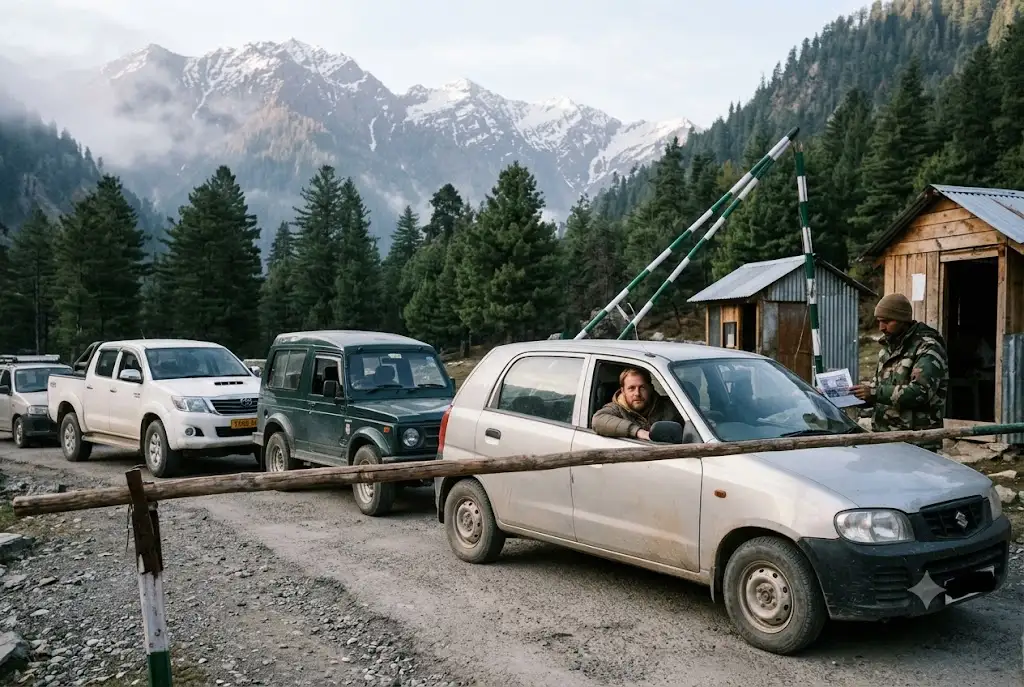
Keep these in mind before you hit “pay”:
- Tuesday closure: The road is closed to tourists every Tuesday for BRO maintenance, and regular sightseeing permits aren’t issued that day. Don’t plan Tuesday as your Rohtang day.
- Vehicle age: Vehicles older than ten years may not be eligible, so check this before booking.
- Documents: Keep your vehicle registration, driver’s ID and passenger ID handy. A valid pollution certificate is also commonly asked for.
- Printed permit: A digital copy on your phone won’t always cut it, so carry a printout.
- Motorcycles: Bikes can go, but some sources mention an extra undertaking certificate from the SDM office in Manali. Verify this locally before you ride.
Rohtang Pass Permit Status: How to Check Before You Go
Two things matter here: the permit’s validity and the road’s condition.
The portal has a validate option, so you can confirm your permit once it’s issued. As for the road, Rohtang usually stays open from mid-May until the first heavy snow in late November. In the off-season, the district administration sometimes opens the route only up to Marhi, about 17 km before the pass, while the summit stays closed.
Always check the local status on the morning you travel. Weather in the Himalayas doesn’t care about your permit.
What If Permits Are Sold Out?
This happens a lot. Here’s what I’d do:
- Try the second release window at 4:00 PM for the next day.
- Look at the Special Permit if you’re in a private car, even though the quota is small.
- Ask a trusted Manali taxi operator who books in bulk. Compare prices, because a typical day-trip taxi runs roughly ₹4,000 to ₹6,000 depending on season and vehicle.
- Consider the Atal Tunnel instead (see below).
Atal Tunnel vs Rohtang Pass: Do You Need a Permit for Both?
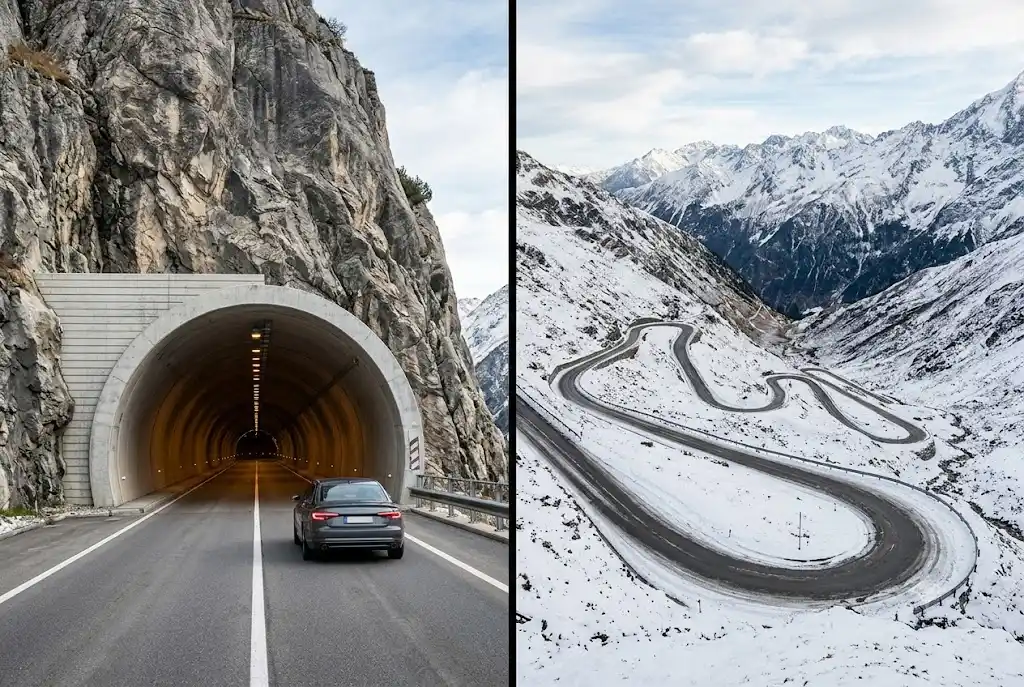
No. The Atal Tunnel route to Sissu and Lahaul doesn’t need a Rohtang permit. It’s quicker and works in almost all weather.
But the experiences are different. The tunnel gets you to Lahaul fast, while Rohtang is about the high-altitude snow views, the dramatic road and that “I made it to the top” feeling. If your goal is snow and scenery, go for the pass. If you’re just crossing to Lahaul, the tunnel saves time.
Quick Tips from My Own Trips
- Start early. Leave Manali by 6:00 or 7:00 AM to avoid traffic and cloud cover.
- Carry warm layers, even in summer. It gets windy and cold at nearly 4,000 m.
- Keep some cash for snacks and gear rentals at Marhi and the snow points.
- Expect altitude effects like a mild headache. Drink water and go slow.
- Book your permit first and confirm accommodation after. Many Manali hotels will help with this.
Final Thoughts
Getting a Rohtang Pass permit sounds like a hassle, but it takes about ten minutes once you know the drill. Book on the official portal, pick the correct category, avoid Tuesdays and carry your printout.
If this guide saved you time, share it with your travel buddies, and drop your questions in the comments. I’ll answer as fast as I can. For more road-tested guides like this, keep exploring The Route Atlas.
Frequently Asked Questions
1. What is the Rohtang Pass permit fee?
For cars, jeeps and MUVs, it’s ₹550 total, made up of a ₹500 permit fee and a ₹50 congestion charge. The Beyond Rohtang slip costs ₹50.
2. Can I get a Rohtang Pass permit offline?
No. The permit is issued online only through the official portal, rohtangpermits.hp.gov.in.
3. Is a permit needed for the Atal Tunnel?
No, the Atal Tunnel doesn’t need a Rohtang permit. You’ll only need a permit if you head up the Rohtang Pass road itself.
4. Is Rohtang Pass open on Tuesdays?
Generally no. Tuesday is the maintenance day, and tourist permits aren’t issued for regular sightseeing.
5. How many vehicles are allowed per day?
The tourism quota is 1,200 vehicles daily, split into 800 petrol and 400 diesel. The Special Permit has a separate, much smaller quota.