Every winter, my phone fills up with the same question: “Will it snow in Manali if I come on these dates?” I wish I could say yes with confidence, but mountains don’t take bookings. What I can do is tell you how Manali snowfall actually behaves, so you plan smarter than most tourists who arrive on 28 December and leave disappointed.
This guide covers when the snow arrives, when it leaves, which month is your best bet, and where to go when the town itself stays dry. It’s written by The Route Atlas, and it’s the same advice I’d give a friend.
When Does Snowfall Start in Manali?
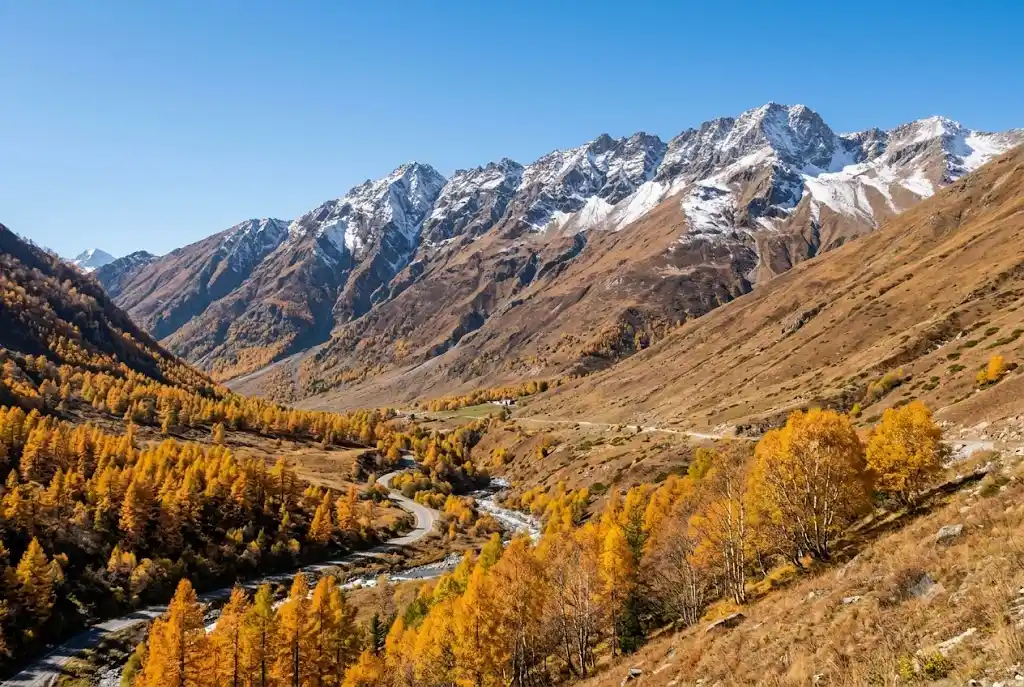
The first snow usually lands on the high reaches long before the town sees any. Rohtang Pass, Marhi and the higher ridges often get their first dusting in October or November. Rohtang has even gotten adequate snow as early as the third week of October.
Manali town itself typically sees its first snowfall in late November or early December. It’s not a fixed date. Some years the town gets flurries in early December, and in other years it stays dry until January.
The pattern depends on western disturbances, which are weather systems that sweep in from the west and dump snow on the Himalayas.
When Does Snowfall End in Manali?
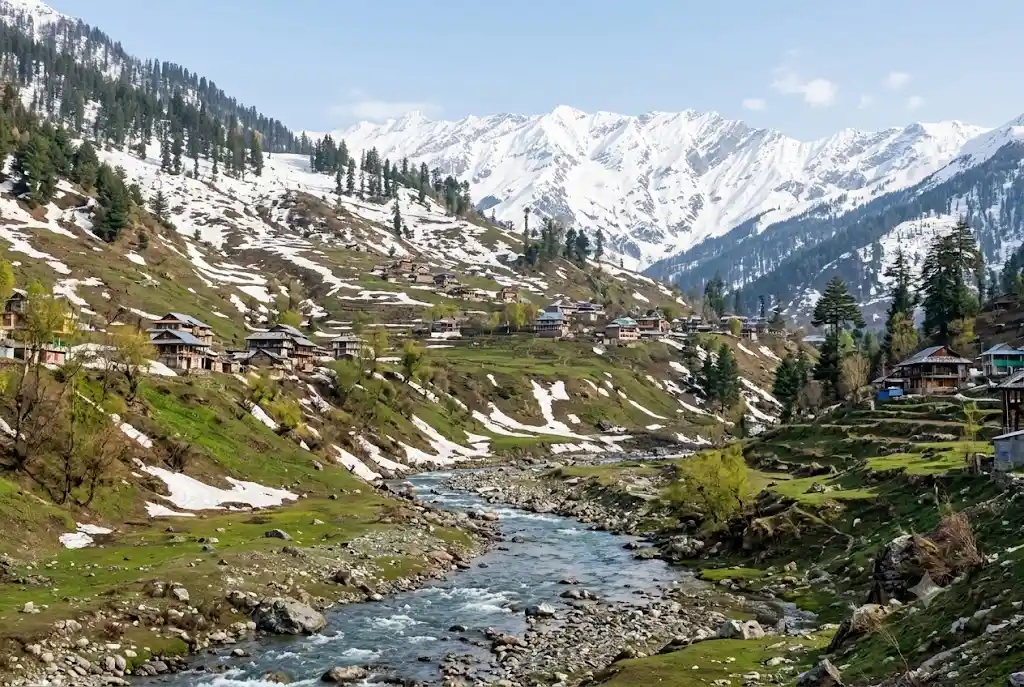
Snow in Manali town starts melting in March, and by the end of the month most of the lower areas are clear. Higher spots like Solang Valley, Gulaba and the Atal Tunnel side hold their snow longer.
April can still surprise you with a light, unpredictable spell. I wouldn’t plan a trip around it, but if it happens, enjoy it.
Manali Snow Season: Month-by-Month Breakdown
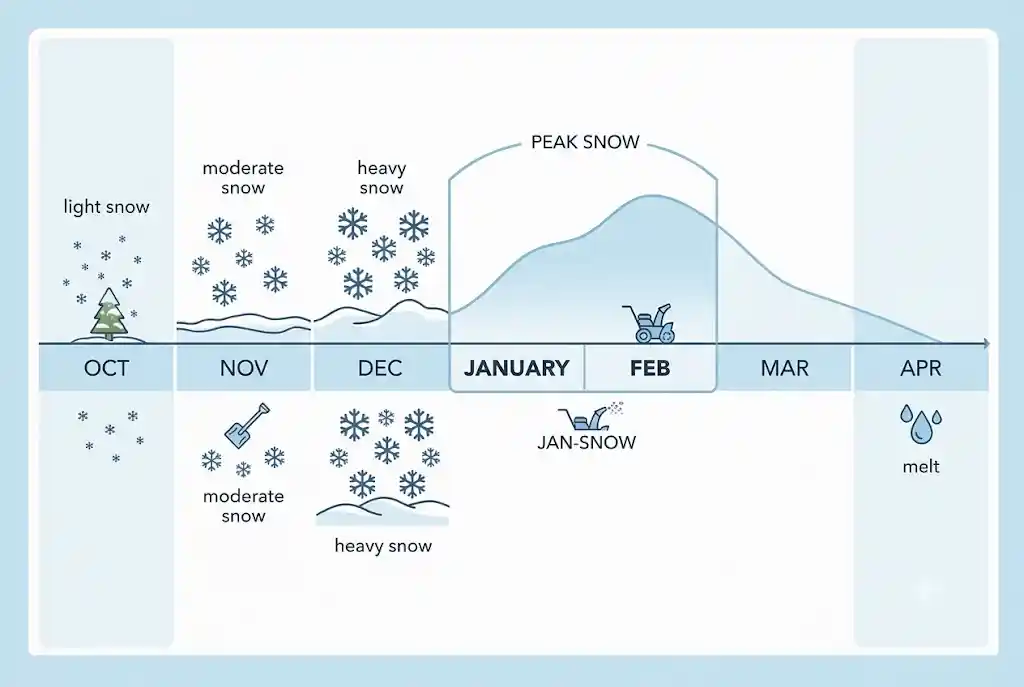
Here’s how the Manali snow season usually plays out. Treat these as historical patterns, not promises.
Manali Snowfall in December
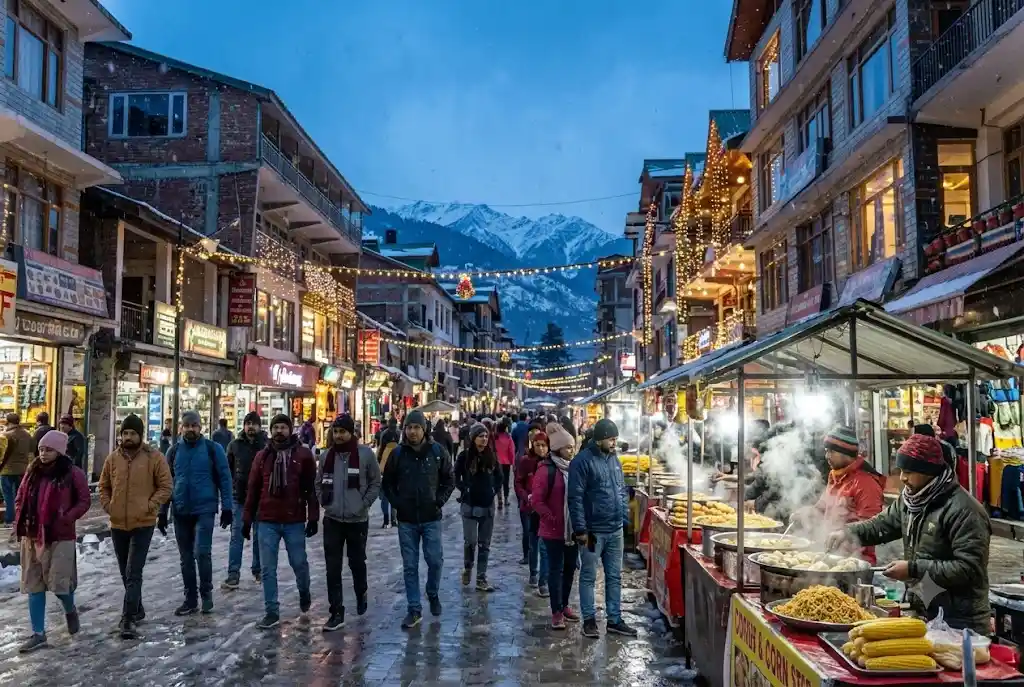
December is the start of real winter, and it’s overrated for snow. You’ll get cold weather and a good chance of snow on the higher reaches, but fresh snowfall in town isn’t guaranteed. The crowds, however, are guaranteed, especially from Christmas to New Year.
If you’re going in December, aim for early December for quiet and low prices. Aim for late December only if you enjoy the party rush more than the snow.
Manali Snowfall in January
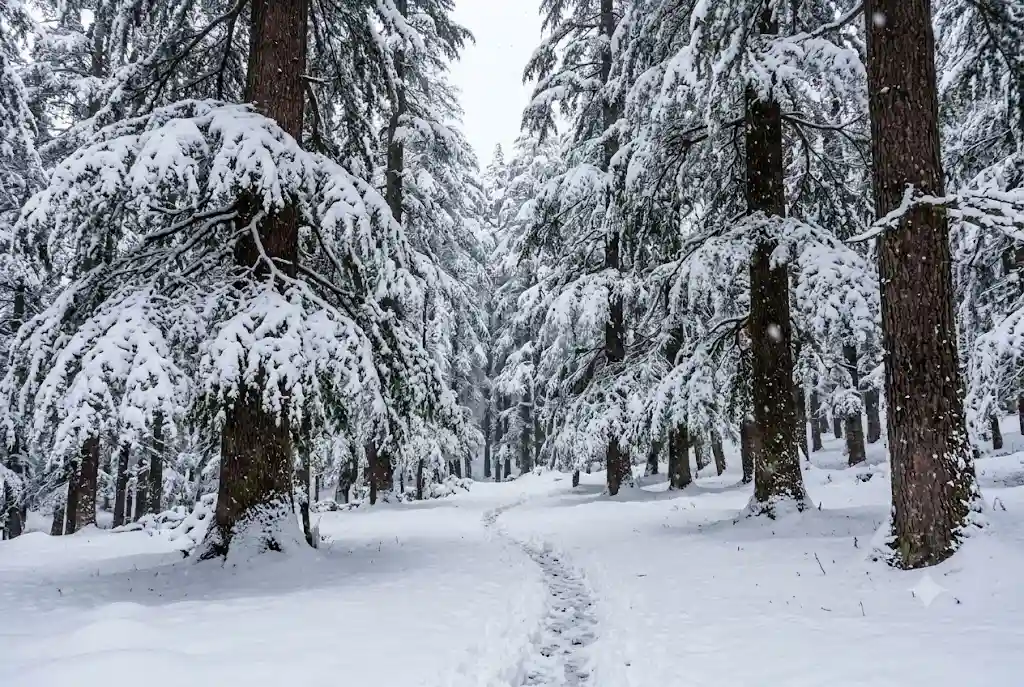
January is the heart of the season. Snowfall is heavy and frequent, and the valley turns properly white. Mall Road, Old Manali and Solang all look their best.
One thing to know: snow doesn’t fall every day, even in January. Usually you’ll see a few major snowfall events in the month, with sunny days in between.
Manali Snowfall in February
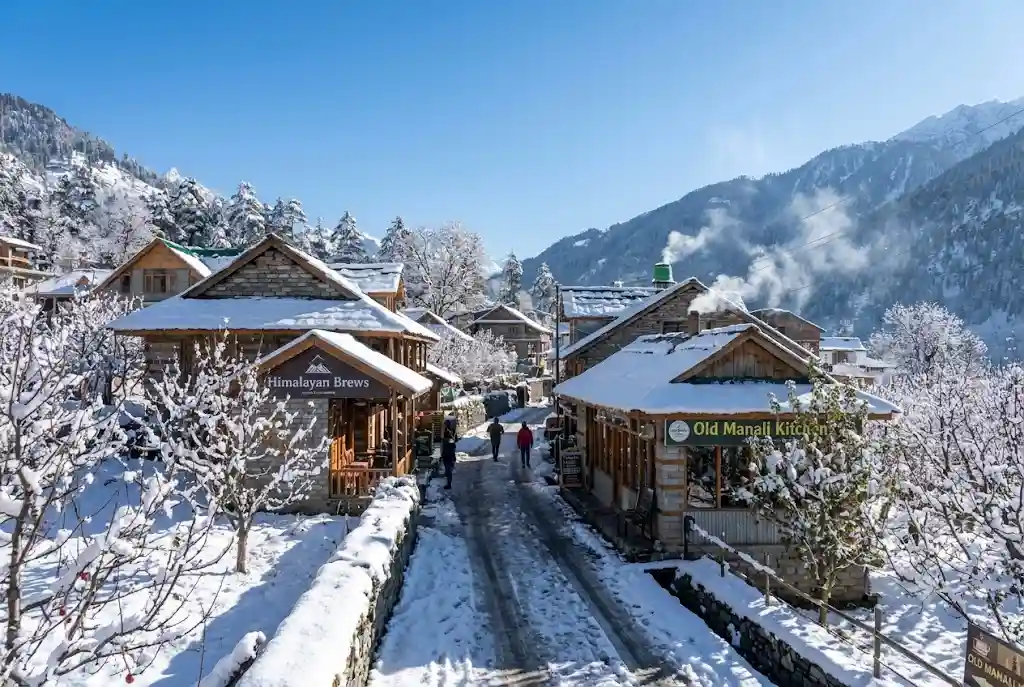
February is my favourite pick if snow is the goal. The snowfall stays strong, but the holiday crowd has gone home. Rooms are easier to get, and roads are calmer.
In February, Rohtang Pass is almost certainly closed, but Solang, Sissu and the tunnel areas stay in play when roads allow.
Manali Snowfall in March
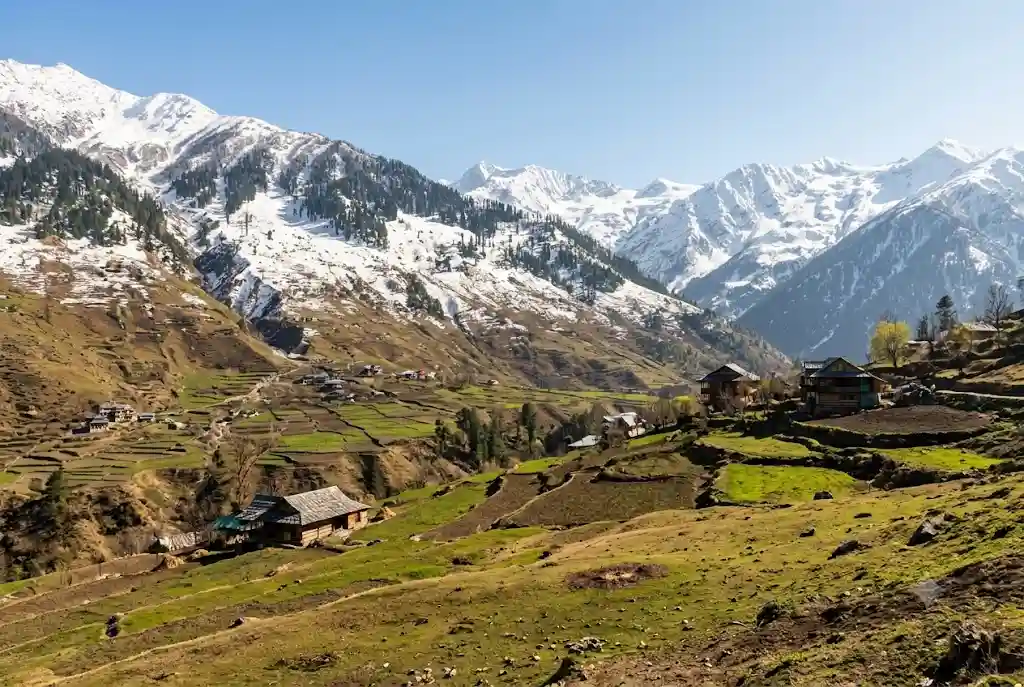
March is the melting month. You’ll find snow on the higher slopes and a fading layer in town. It’s a decent option if you want snow views with pleasant afternoons, but don’t expect fresh, deep powder in the town itself.
Manali Snowfall Prediction: Can Anyone Really Tell You?
Honestly, no. Anyone who gives you exact dates for snowfall months ahead is guessing. A realistic Manali snowfall prediction only works over a few days.
Here’s how I check before every winter trip:
- Look at the IMD (India Meteorological Department) forecast for Kullu and Lahaul-Spiti, especially western disturbance alerts
- Check local road updates from Manali taxi unions and hotel owners the night before
- Call your hotel and ask what’s actually falling today, not what’s on a website
- Keep a flexible itinerary, with one or two spare days for weather delays
If you take just one thing from this section, take this: build flexibility into your plan, not hope.
Where to See Snowfall in Manali
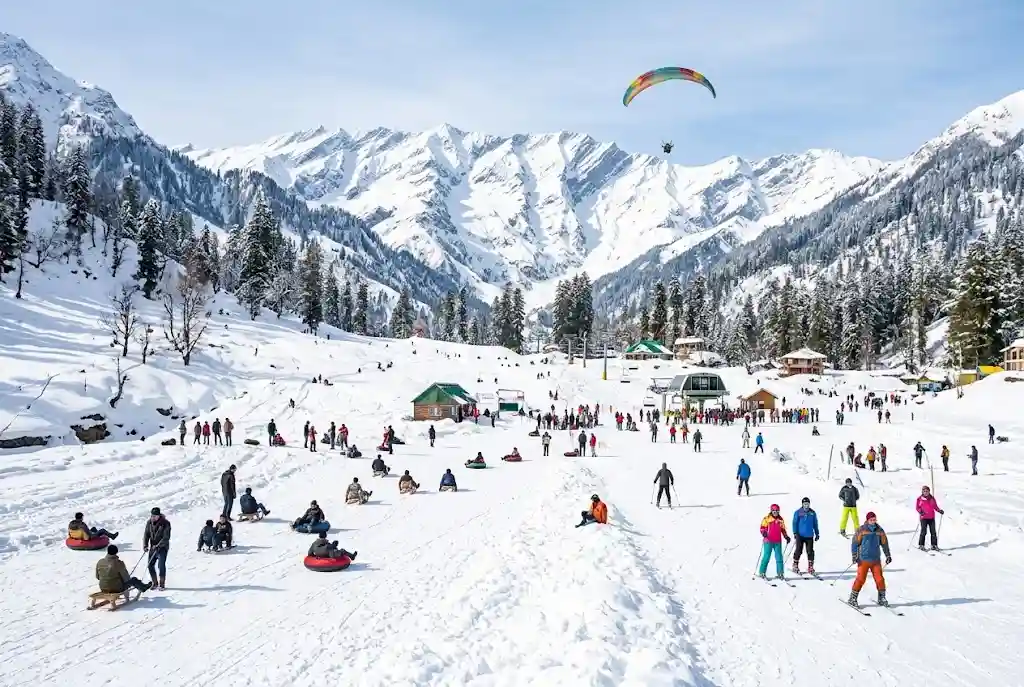
When snow is falling in town, wonderful. When it isn’t, these are the places to go. Snowfall in Manali is often patchy, so higher spots save the trip.
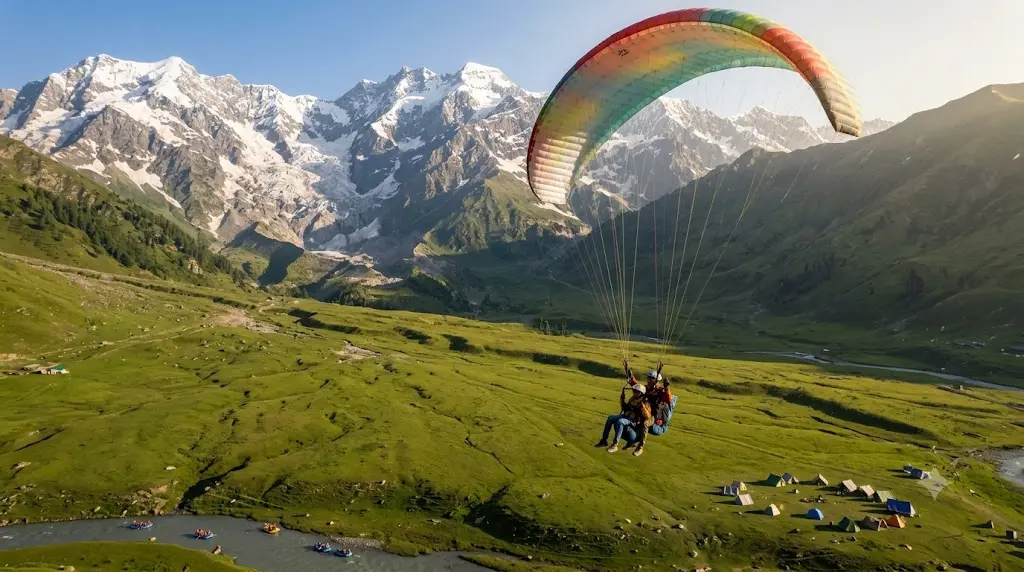
- Solang Valley (around 13 km from Manali): The easiest and most reliable snow outing. Skiing, snowboarding, snow play and paragliding are all possible here. Treat this as your main snow day.
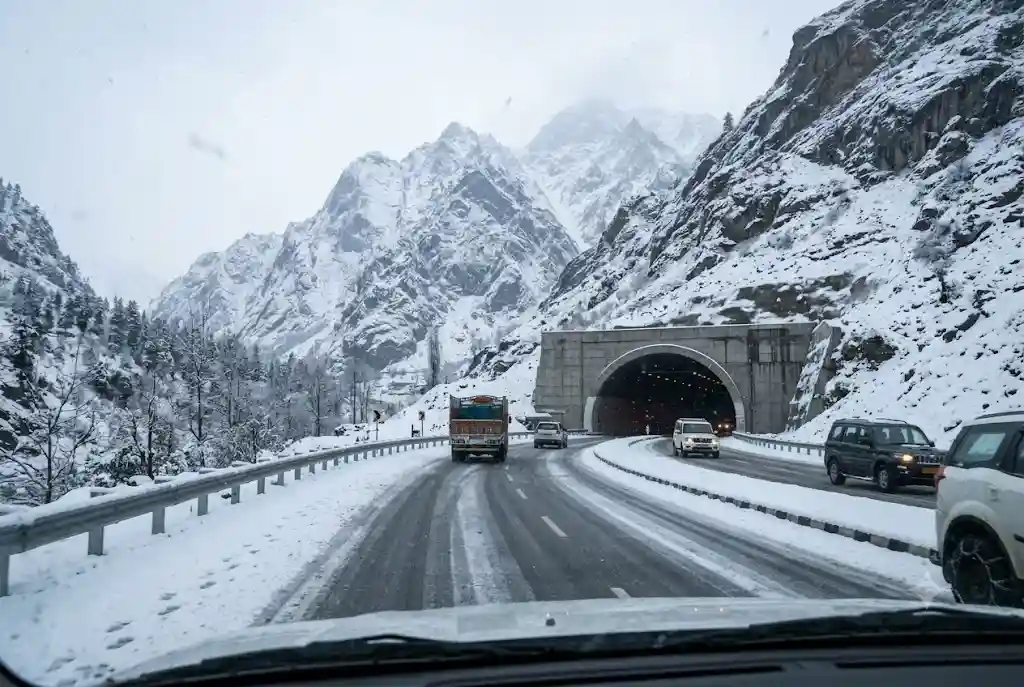
- Atal Tunnel and Sissu: The Atal Tunnel is about 9 km long and connects Manali (around 2,050 m) to Sissu (around 3,060 m) in Lahaul. Sissu is roughly 41 km from Manali, and it often has snow even when Manali town doesn’t.
- Gulaba and Marhi: Early snow points on the Rohtang road. They work when the road is open.
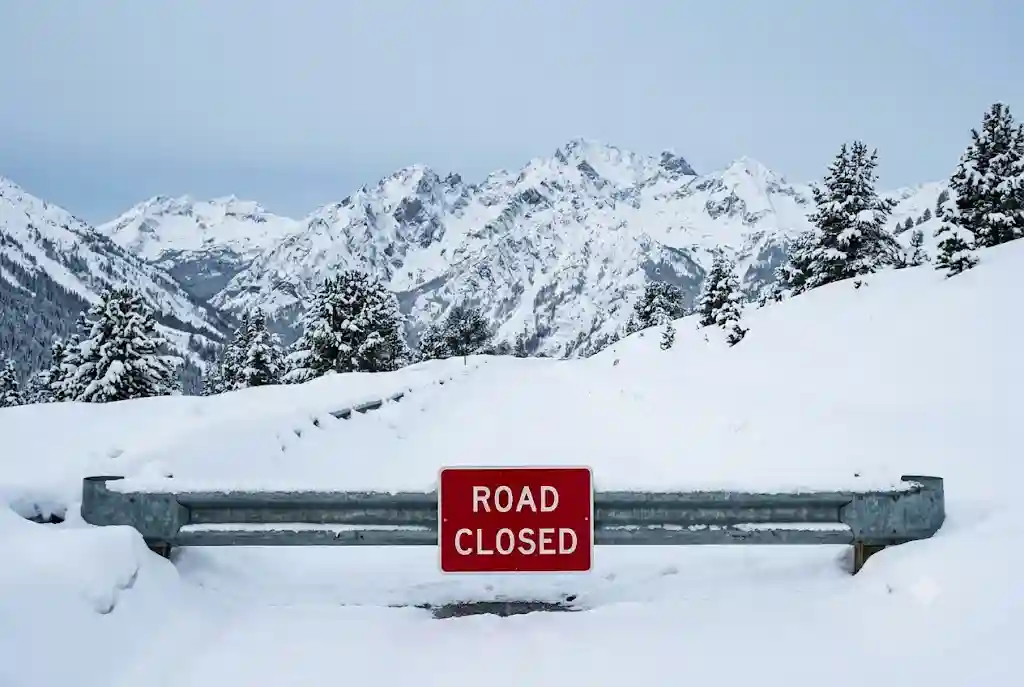
- Rohtang Pass: About 51 km from Manali at roughly 3,978 m. It’s usually closed to tourists through the main winter months, so don’t build a January trip around it.
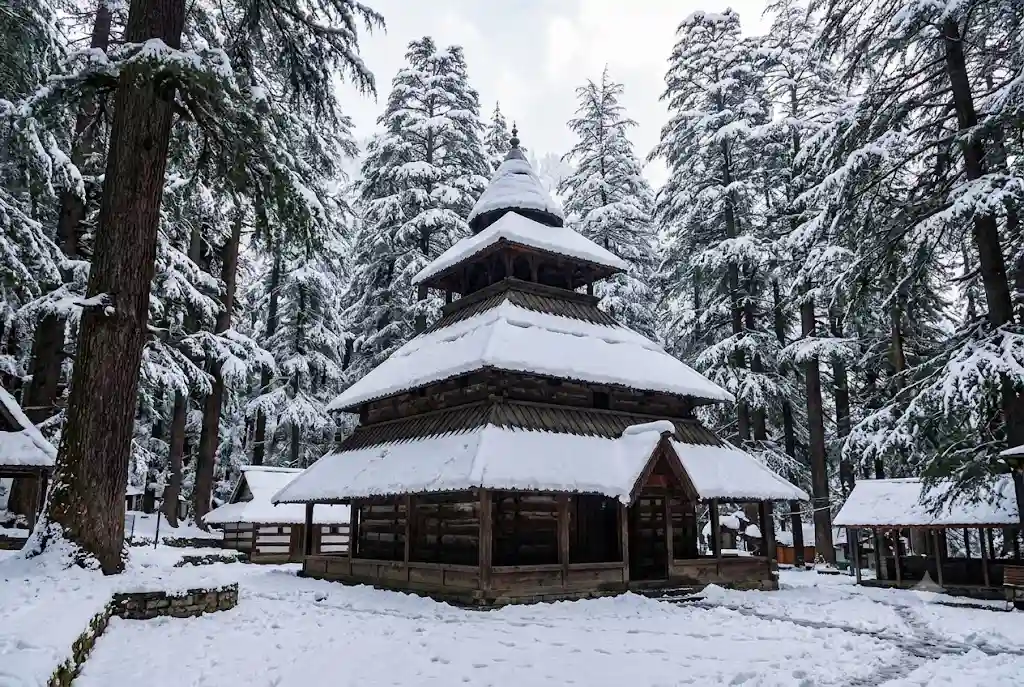
- Old Manali and Hadimba Temple: After a snowfall, the cedar forest around Hadimba Temple looks like a postcard.
A quick warning: driving through the Atal Tunnel does not mean you’ve visited Rohtang. The tunnel bypasses the pass entirely.
Rohtang Permit: What Changes in Winter
Rohtang needs an online permit tied to your vehicle and date. In the latest update I found, the fee for a car, jeep or MUV was around ₹550 (₹500 permit plus ₹50 congestion charge).
You don’t need this permit for the Atal Tunnel and Sissu. And when the pass is closed in winter, there’s nothing to permit you into. Always check the official portal and confirm road status the night before.
How Much Snow to Expect
The honest answer is that it varies a lot. Higher points like Solang and the tunnel approaches can see anywhere from light flurries to 10-15 cm in a single spell, and heavy spells can close the highway for hours or days. Manali town usually gets less.
For example, on 1 January in a recent season, Manali town was dry and brown, while the slopes between Solang and the Atal Tunnel were getting fresh snow. That one day explains the whole snowfall in Manali story: it’s a game of altitude.
Practical Tips (Learned the Hard Way)
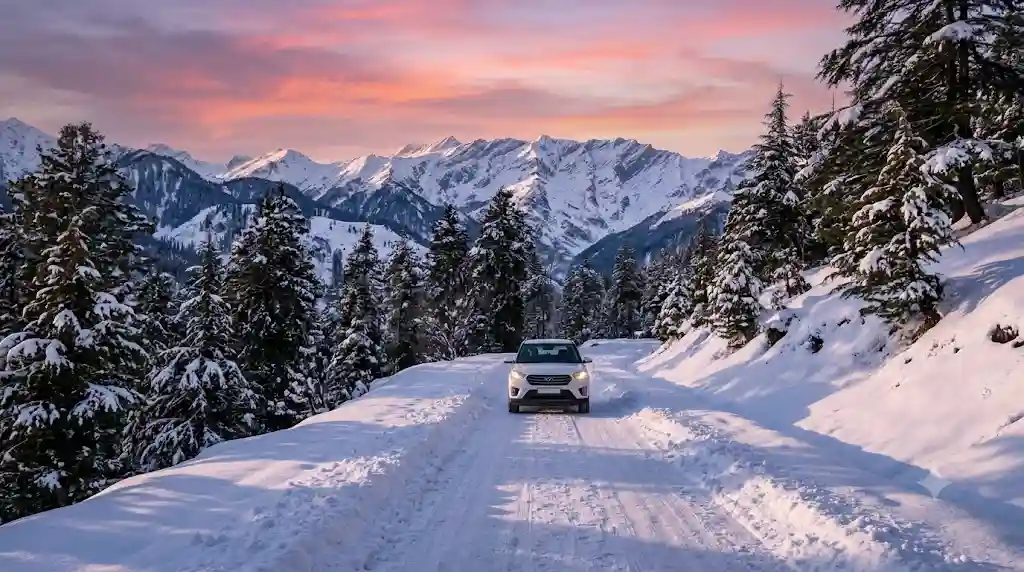
- Start early. Reach Solang or the tunnel side before 8 AM. By 10 AM in peak season the road out of town is a slow crawl.
- Agree on taxi rates in writing. Quotes near Mall Road swing wildly in peak season, and a “snow trip” taxi may only go to the highest open point.
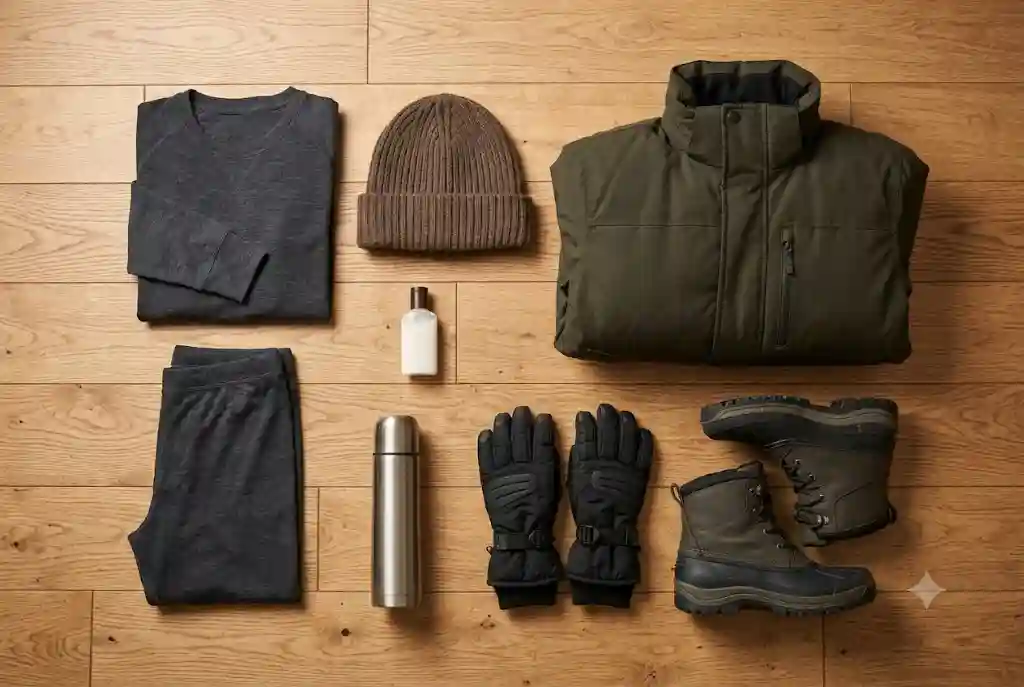
- Pack right: thermals, a heavy jacket, gloves, a warm cap, waterproof shoes with grip, and moisturiser.
- Don’t over-rent gear. Snow suits and boots at tourist points are optional. Rent only if there’s actual snow.
- Carry cash. Network and UPI can be unreliable at higher points.
- Never ignore police restrictions. In January, tourists were asked to leave the tunnel area when roads turned slippery, and sometimes only 4×4 vehicles are allowed beyond Solang.
Stay, Food and Budget
Winter is the discount season for hotels, typically from mid-November to the end of March, except Christmas and New Year. Budget guesthouses and homestays can start from around ₹800 per night, though cheaper places often have unreliable heating. Carry an extra blanket if you go this route.
Paragliding at Solang during peak winter is around ₹2,500 to ₹4,500 per ride, depending on the operator and season.
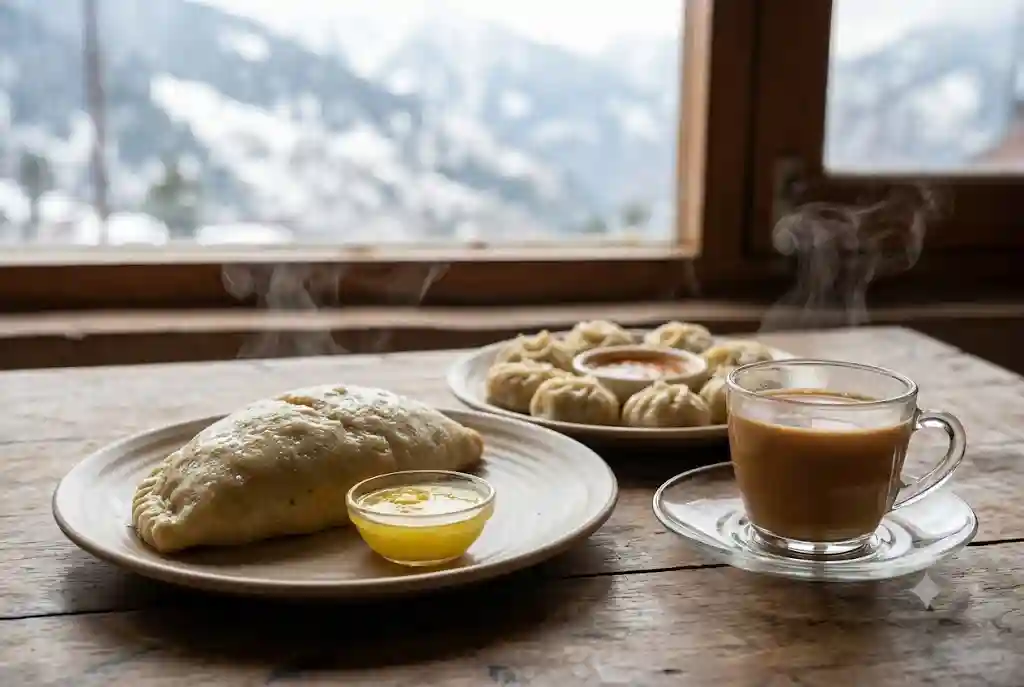
For food, you can’t go wrong with hot Siddu with ghee, Himachali dham, momos and thukpa, and a hot chai at a roadside stall near the snow. Nothing beats it.
Best Time to See Snowfall in Manali: The Quick Answer
- Highest snow chances: January and February
- Best balance of snow and fewer crowds: early-to-mid February
- Most crowded, least reliable for town snow: late December
- For cheaper trips: late January, or early December if you can accept uncertainty
Final Thoughts
Manali snowfall is a beautiful gamble, and you can improve your odds with smart timing. Go in January or February, keep Solang as your anchor, use Sissu and the Atal Tunnel as a backup, and stay flexible.
Planning your Manali winter trip? Save this guide, share it with your travel buddy, and keep following The Route Atlas for more honest, experience-based mountain guides. Drop your travel dates in the comments and I’ll help you pick the best plan.
Frequently Asked Questions
1. When does snowfall start in Manali?
Higher areas like Rohtang and Marhi often get the first snow in October or November. Manali town usually sees its first snowfall in late November or early December, though it varies each year.
2. When does snowfall end in Manali?
Snow in town starts melting in March, and lower areas are mostly clear by month-end. Higher spots like Solang and the tunnel side keep snow longer, and light snow in April is possible but unpredictable.
3. Which month has the most snowfall in Manali?
January and February generally have the best snowfall. January usually has the heaviest and most frequent snow, while February offers strong snow with smaller crowds.
4. Is there snowfall in Manali in December?
Yes, but it’s unreliable in town. Higher areas often get snow, but December’s crowds are guaranteed and the snow isn’t. If snow is the priority, choose January or February.
5. Can I see snow in Manali if the town is dry?
Often yes. Solang Valley, the Atal Tunnel area, Sissu and Gulaba are higher and hold snow when the town doesn’t. Always check road conditions and police restrictions first.