Okay, real talk – the first time I planned a Manali trip, I had about fifteen browser tabs open and still couldn’t figure out how far Solang Valley actually was from where I was staying. Sound familiar? That’s exactly why I sat down and put together this no-nonsense guide, based on actual road trips and a lot of “let’s just ask the taxi driver” moments.
By the time you’re done reading, you’ll know exactly how to go Kullu Manali, how far Old Manali to Solang Valley distance really is, and what to expect on the Manali to Parvati Valley distance stretch. No guesswork, no fluff – just what you need before you pack your bags.
How to Go Kullu Manali: Your Options
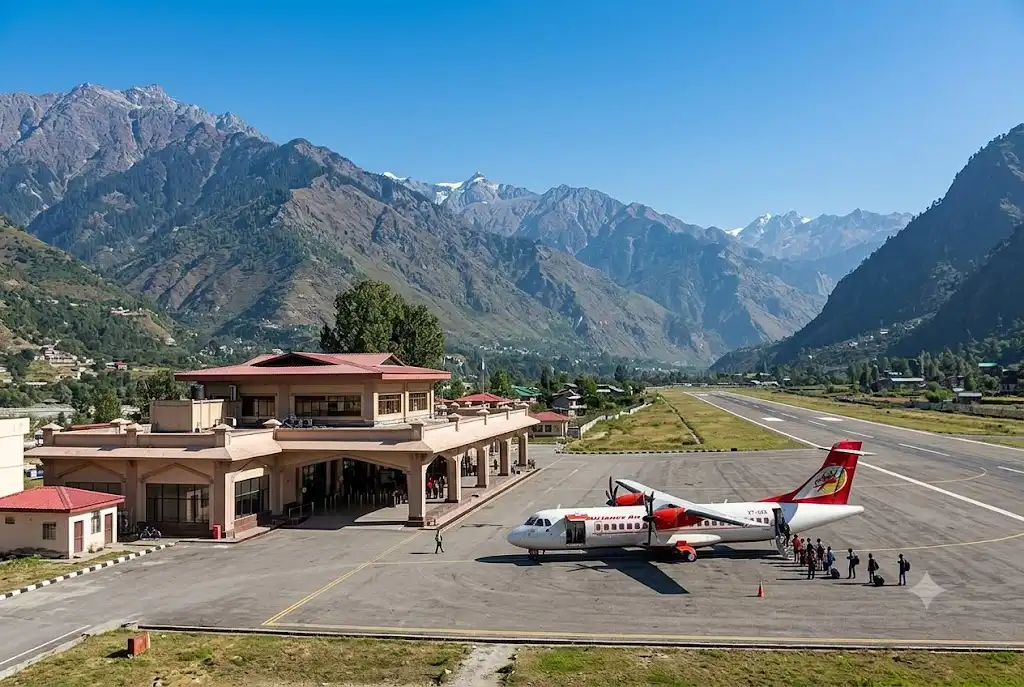
Let’s start with the basics, because everything else depends on this. There are three realistic ways to get here, and each one suits a different kind of traveller.
By Air
The nearest airport is Bhuntar (Kullu-Manali Airport), roughly 50 km from Manali town. It’s a small airport with limited daily flights, mostly connecting to Delhi and Chandigarh, so book early and always keep a backup plan since weather can mess with schedules here. From Bhuntar, it’s about a 1.5 to 2 hour taxi ride into Manali.
By Train
Here’s the thing – there’s no direct broad-gauge railway into Manali (yet, though there’s been talk of one for years). Your best bet is to take a train to Chandigarh or Delhi, and then continue by road. If you’re the scenic-route type, the narrow-gauge Kalka-Shimla toy train is a fun detour, though it doesn’t go all the way to Manali either.
By Road
This is honestly how most people (including me) figure out how to go Kullu Manali. From Delhi, it’s around 530-540 km, and an overnight Volvo or private cab takes about 12-14 hours depending on traffic near Kullu. If you’re driving yourself, break the journey at Chandigarh or Mandi – trust me, your back will thank you.
A quick tip from experience: if you’re travelling in winter, always check road conditions around Kullu before you leave, since occasional landslides or snow can slow things down.
Old Manali to Solang Valley Distance: What to Expect
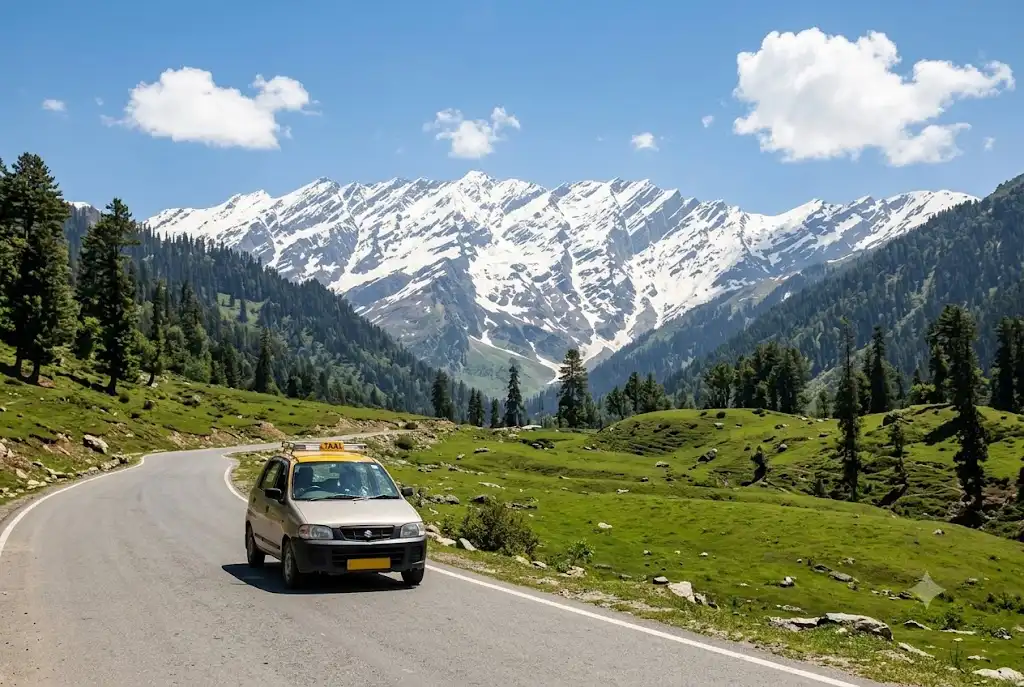
Solang Valley is one of those places everyone puts on their must-visit list, and honestly, it deserves the hype – paragliding, snow activities in winter, and views that just don’t get old.
Now, if you’re staying in Old Manali (which a lot of backpackers and long-stay travellers do, thanks to the cafes and chill vibe), you’re probably wondering about the Old Manali to Solang Valley distance specifically, since it’s slightly different from the regular Manali-to-Solang route.
Here’s what the actual numbers look like:
- Manali (main town) to Solang Valley: approximately 13-14 km
- Old Manali to Solang Valley distance: around 15-16 km, since Old Manali sits a little further from the main highway
- Travel time: roughly 40-45 minutes by taxi or bike, though this can stretch on weekends when traffic near the Atal Tunnel road picks up
I’d recommend starting early, especially between May and October when the crowds heading toward Atal Tunnel and Rohtang can turn a 45-minute drive into over an hour. If snow’s your priority, winter (December to February) is when Solang really shows off, but the road can get icy, so hire a taxi with snow chains rather than self-driving.
Quick tips for this route:
- Shared taxis from Old Manali are cheaper than private ones – ask around near the main bridge
- Renting a scooter works well if you’re comfortable with mountain roads, just fill up on fuel before leaving since options thin out closer to Solang
- No entry permit is needed for Solang Valley itself, though permits are required if you’re continuing toward Rohtang Pass
Manali to Parvati Valley Distance: Kasol, Tosh & Beyond
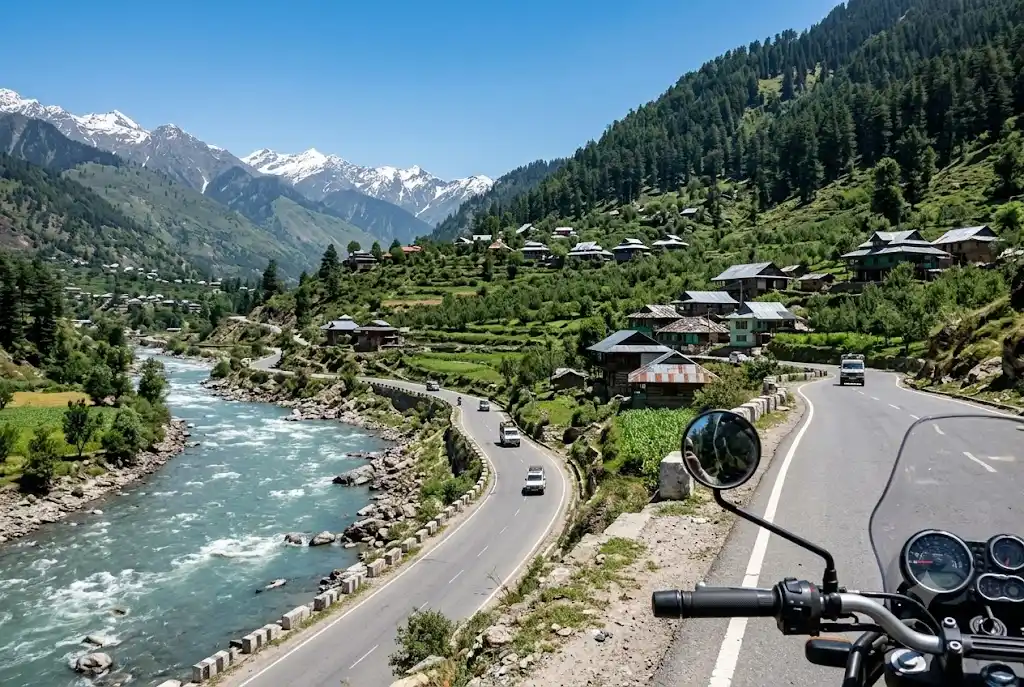
Parvati Valley has this whole different energy – a bit more laid-back, a lot more backpacker cafes playing music you haven’t heard since college. If Solang is your adventure day, Parvati Valley is where you go to slow down.
The Manali to Parvati Valley distance (most people mean Kasol when they say this) works out to approximately 75 km, and it usually takes about 2.5 to 3.5 hours by road, depending on traffic through Kullu and Bhuntar.
Here’s the general route breakdown:
- Manali to Kullu: around 40 km
- Kullu to Bhuntar: about 10 km
- Bhuntar to Kasol (via Manikaran Road): roughly 30 km
So the full Manali to Parvati Valley distance adds up through these smaller stretches rather than one straight highway, which is honestly part of the charm – you pass through apple orchards, small villages, and the Beas river keeps you company most of the way.
Places worth stopping at along the way or once you’re there:
- Kasol – the main hub, great for cafes and easy walks along the river
- Tosh – a steep, scenic drive further up, best for those who want quieter views
- Manikaran – famous for its hot springs and gurudwara, right on the way
- Kheerganga – not reachable by road, but the trek starts from Barshaini, a bit past Kasol
One thing I always tell people: don’t try to do Solang and Parvati Valley on the same day trip. They’re in opposite directions from Manali, and cramming both in means you’ll spend more time in the car than actually enjoying either place.
Best Time to Visit Manali (So You’re Not Caught Off Guard)
- March to June: Pleasant weather, good for sightseeing and adventure activities, though it does get crowded around May-June
- July to September: Monsoon season – lush green views, but landslide risk on some routes, so check updates before heading out
- October to February: Cool to snowy, ideal if you’re chasing snow in Solang Valley or a cozy Old Manali cafe experience
Where to Stay: Budget to Luxury
- Budget: Hostels and guesthouses in Old Manali, generally easy on the pocket and close to cafes
- Mid-range: Boutique hotels and homestays around Manali town and Vashisht
- Luxury: Resorts along the Beas river or higher up toward Naggar, with mountain-view rooms and proper amenities
What to Eat While You’re There
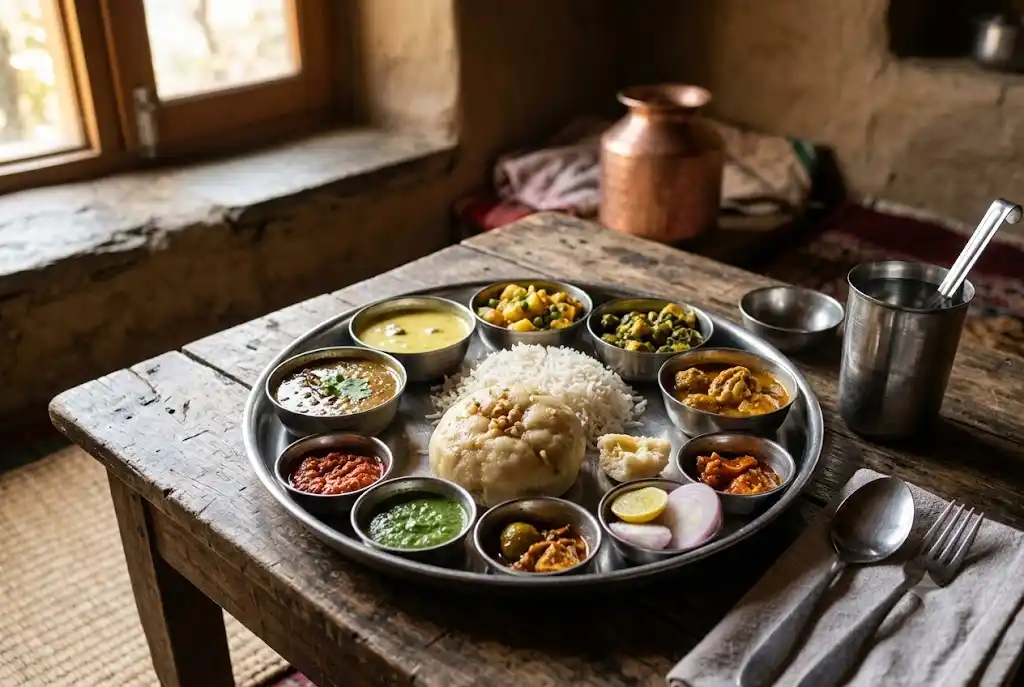
Don’t leave without trying local Himachali thali, sidu (a steamed bread usually served with ghee), and if you’re in the Israeli-backpacker zone of Kasol, the hummus and shakshuka scene is genuinely solid.
Approximate Budget for the Trip
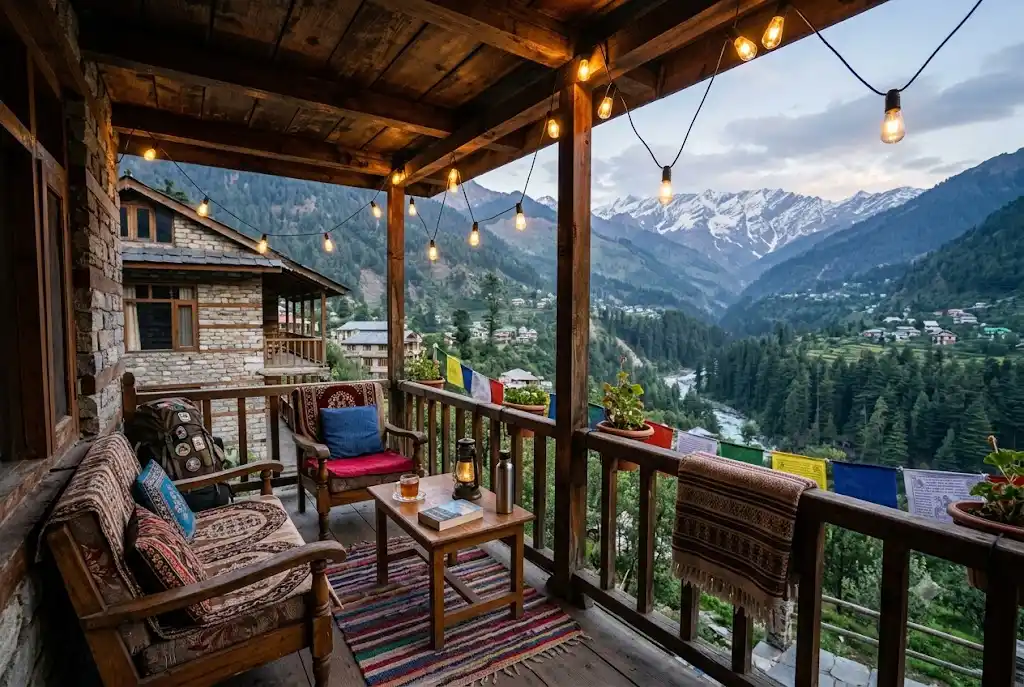
A mid-range 5-6 day trip covering Manali, Solang Valley, and a short Parvati Valley visit usually costs somewhere around ₹12,000-₹20,000 per person, including stay, local transport, food, and basic activities. This can obviously go up or down depending on how many adventure activities (paragliding, rafting, etc.) you add on.
Wrapping It Up
So there you have it – everything on how to go Kullu Manali, the Old Manali to Solang Valley distance, and the Manali to Parvati Valley distance, all in one place, without the fifteen-tab research marathon I went through. Whether you’re chasing snow in Solang or quiet river views in Kasol, both are absolutely worth the drive.
If this helped clear things up, bookmark it before your trip – road conditions and travel times can shift a bit season to season, and we keep this guide updated with the latest info so you’re never planning off old numbers. For more on planning your Himachal itinerary, check out our guides on best time to visit Himachal Pradesh, Old Manali travel guide, and things to do in Kasol here on The Route Atlas.
Frequently Asked Questions
1. How to go Kullu Manali from Delhi?
The most common way is an overnight bus or private cab covering around 530-540 km in about 12-14 hours. Flying into Bhuntar and taking a taxi is faster if you’re short on time.
2. What is the Old Manali to Solang Valley distance?
It’s approximately 15-16 km from Old Manali, taking around 40-45 minutes by road, slightly longer than from Manali’s main town.
3. What is the Manali to Parvati Valley distance?
Roughly 75 km to Kasol, which usually takes 2.5 to 3.5 hours depending on traffic through Kullu and Bhuntar.
4. Is a permit needed to visit Solang Valley?
No permit is required for Solang Valley itself, but you’ll need one if you’re continuing toward Rohtang Pass.
5. What’s the best time to visit both Solang Valley and Parvati Valley?
May to October works well for both, though Solang is especially popular in winter for snow activities, while Parvati Valley is pleasant almost year-round except during heavy monsoon.